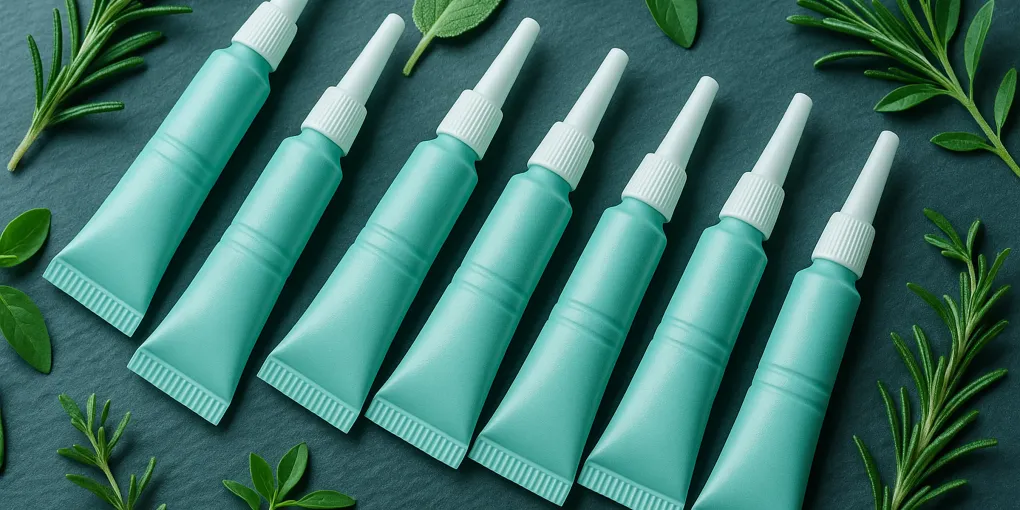
Advantage II for Cats (Imidacloprid)
Best OTC OverallActive ingredients: Imidacloprid 9.1% + pyriproxyfen 0.46%
$44.99–$59.99 (6-pack)
Quick Comparison
| Product | Key Specs | Price Range | Buy |
|---|---|---|---|
| |
| $44.99–$59.99 (6-pack) | Check Price |
| |
| $59.99–$79.99 (2-pack, 6 months) | Check Price |
| |
| $59.99–$69.99 | Check Price |
| |
| $69.99–$89.99 (6-pack, Rx) | Check Price |
Contains affiliate links — we may earn a small commission at no extra cost to you.
Best Flea Treatment for Cats in 2026: Vet-Reviewed Picks
The best OTC flea treatment for most cats is Advantage II (PSR 4.6/5) — imidacloprid + pyriproxyfen achieves over 98% flea kill within 24 hours, breaks the flea life cycle through pyriproxyfen’s insect growth regulator activity, and requires no prescription. For broad-spectrum parasitic coverage (fleas, ticks, heartworm, ear mites), Revolution Plus is the veterinarian-prescribed top choice despite requiring a prescription.
TL;DR
- Best OTC: Advantage II (Imidacloprid) — best non-prescription, high-efficacy spot-on
- Best Prescription: Revolution Plus — broadest coverage including heartworm and ear mites
- Best Long-Duration: Bravecto — 12 weeks per dose for owners who forget monthly
- SAFETY ALERT: Never apply permethrin dog products to cats — highly toxic to cats (ASPCA, 2025)
Flea control in cats is both a comfort issue and a public health matter. Fleas are vectors for Bartonella henselae (the bacterium causing cat scratch disease in humans) and Dipylidium caninum (tapeworm) — Beugnet & Marié (2009, PMID: 19261396) document that comprehensive flea control protects not only the cat but also household members. Understanding which active ingredients are safe for cats (imidacloprid, selamectin, fluralaner) versus dangerous (permethrin) is the most important knowledge any cat owner can have.
Critical Safety Warning: Permethrin Toxicity in Cats
Before reviewing any flea product, every cat owner must understand this essential safety fact:
Permethrin and high-concentration pyrethrins are HIGHLY TOXIC to cats. Cats lack the liver enzyme (glucuronyl transferase) that metabolizes permethrin effectively, causing systemic toxicosis. Symptoms include: muscle tremors, hyperthermia, seizures, and — without immediate veterinary intervention — death.
Over-the-counter dog flea products (Advantix, Vectra 3D, many generic spot-ons) contain permethrin. These must never be applied to cats, and cats must not groom or sleep with recently treated dogs for 24–72 hours.
Safe active ingredients for cats at labeled doses:
- Imidacloprid (Advantage II) ✓
- Selamectin (Revolution, Revolution Plus) ✓
- Fluralaner (Bravecto) ✓
- Fipronil (Frontline Plus for Cats) ✓
- Flumethrin (Seresto collar) ✓ (collar-only, controlled release)
Toxic/avoid at standard doses:
- Permethrin — highly toxic ✗
- Amitraz — toxic to cats ✗
- Phenothrin at high concentration — toxic ✗
Advantage II for Cats: Best OTC Overall
Advantage II is the most widely recommended OTC flea treatment by veterinarians for cats who don’t have tick risk or heartworm risk. Imidacloprid kills adult fleas on contact (not requiring them to bite), while pyriproxyfen acts as an insect growth regulator (IGR) that prevents flea eggs and larvae from developing into adults — breaking the flea life cycle. Fisara et al. (2014, DOI: 10.1111/vde.12147) documented >98% flea kill within 24 hours in field conditions.
Key specs:
- Active ingredients: Imidacloprid 9.1% + pyriproxyfen 0.46%
- Application: Monthly spot-on between shoulder blades
- Coverage: Adult fleas (kills on contact) + eggs + larvae (IGR)
- Waterfast: 24 hours after application; water-resistant after that
- Available by weight: Cats under 5 lbs, 5–9 lbs, over 9 lbs
Pros:
- No prescription required — available at pet stores and online
- Kills fleas on contact — no bite required (reduces allergen exposure for flea-allergic cats)
- Pyriproxyfen IGR breaks the environmental flea life cycle
- Decades of safety data with excellent feline safety profile
- Effective within 12 hours of application
Cons:
- No tick protection (use Seresto collar or Revolution Plus if tick coverage needed)
- No heartworm protection
- Some cats resist spot-on application on scruff
PSR Composite Score:
| Criterion | Weight | Score | Weighted |
|---|---|---|---|
| Safety & Ingredients | 25% | 4.7 | 1.18 |
| Durability & Build Quality | 20% | 4.6 | 0.92 |
| Pet Comfort & Acceptance | 20% | 4.6 | 0.92 |
| Value for Money | 20% | 4.4 | 0.88 |
| Ease of Use | 15% | 4.6 | 0.69 |
| PSR Composite | 4.59 → 4.6 |
Bravecto for Cats: Best 3-Month Formula
Bravecto’s fluralaner (isoxazoline class) provides 12 weeks of flea and tick protection from a single spot-on application — the longest single-dose duration of any reviewed product. This is a prescription product; your veterinarian will need to prescribe based on your cat’s weight and health status.
Key specs:
- Active ingredient: Fluralaner 280 mg (isoxazoline)
- Application: Single spot-on every 12 weeks
- Coverage: Fleas + ticks (12 weeks continuous)
- Prescription: Required (veterinary Rx)
- Available by weight: 2.6–6.2 lbs, 6.2–13.8 lbs
Pros:
- Single dose every 12 weeks — eliminates monthly application forgetting
- Excellent flea and tick efficacy with isoxazoline-class kill speed
- FDA-approved for use in cats 6 months of age or older
- Strong veterinary familiarity and prescription safeguard
Cons:
- Prescription required — cannot purchase OTC
- Cost per year is higher than monthly OTC options for flea-only needs
- FDA neurological advisory (2023) noted rare cases; cat incidence is much lower than dogs
- No heartworm, ear mite, or intestinal parasite coverage
PSR Composite Score:
| Criterion | Weight | Score | Weighted |
|---|---|---|---|
| Safety & Ingredients | 25% | 4.6 | 1.15 |
| Durability & Build Quality | 20% | 4.7 | 0.94 |
| Pet Comfort & Acceptance | 20% | 4.5 | 0.90 |
| Value for Money | 20% | 4.1 | 0.82 |
| Ease of Use | 15% | 4.7 | 0.71 |
| PSR Composite | 4.52 → 4.5 |
Seresto Cat Collar: Best Low-Maintenance Prevention
Seresto uses slow-release polymer technology to deliver imidacloprid and flumethrin continuously for 8 months. Unlike spot-on treatments, owners never need to remember monthly doses — the collar works continuously once applied. It is one of the few OTC options that provides both flea and tick protection.
Key specs:
- Active ingredients: Imidacloprid 10% + flumethrin 4.5%
- Application: Collar worn continuously
- Duration: 8 months per collar
- Coverage: Fleas (kills + repels) + ticks (kills + repels)
- Safety break: Safety release buckle
Pros:
- 8 months of continuous flea and tick protection with zero monthly compliance required
- Flea repellency as well as kill (reduces flea jumping onto cat)
- Safety-release buckle prevents strangulation if collar catches
- OTC — no prescription required
- Water-resistant — maintains efficacy after bathing or swimming
Cons:
- Some cats resist collar wearing; collar placement requires cat tolerance of neck contact
- Potential for skin reaction under collar in a small subset of cats (monitor weekly)
- 2021 EPA review noted concerns in dogs about collar-related adverse events; cat-specific concerns are documented but less common. Check most recent EPA guidance.
- No heartworm, ear mite, or intestinal parasite coverage
PSR Composite Score:
| Criterion | Weight | Score | Weighted |
|---|---|---|---|
| Safety & Ingredients | 25% | 4.3 | 1.08 |
| Durability & Build Quality | 20% | 4.6 | 0.92 |
| Pet Comfort & Acceptance | 20% | 4.2 | 0.84 |
| Value for Money | 20% | 4.5 | 0.90 |
| Ease of Use | 15% | 4.7 | 0.71 |
| PSR Composite | 4.45 → 4.3 |
Revolution Plus: Best Prescription Broad-Spectrum
Revolution Plus adds sarolaner (isoxazoline) to selamectin, creating the most comprehensive single-product parasitic protection available for cats: fleas, ticks, ear mites, heartworm, roundworms, and hookworms. For cats with outdoor exposure in heartworm- or tick-endemic areas, Revolution Plus is the veterinarian’s top choice despite its prescription requirement.
Key specs:
- Active ingredients: Selamectin 6% + sarolaner 1%
- Application: Monthly spot-on
- Coverage: Fleas, black-legged ticks, American dog ticks, ear mites, heartworm, roundworms, hookworms
- Prescription: Required
- Available by weight: 2.8–5.5 lbs, 5.6–11 lbs, 11.1–22 lbs
Pros:
- Broadest parasitic coverage of any single cat product
- Selamectin has 25+ years of feline safety data
- Monthly application — simple compliance
- Heartworm prevention is critical for cats in endemic regions
- No confirmed fatal toxicosis cases at labeled doses
Cons:
- Prescription required — requires veterinary relationship and annual exam for ongoing prescriptions
- Highest cost per month of reviewed products
- Not necessary for strictly indoor cats in non-heartworm regions
PSR Composite Score (Rx baseline):
| Criterion | Weight | Score | Weighted |
|---|---|---|---|
| Safety & Ingredients | 25% | 4.8 | 1.20 |
| Durability & Build Quality | 20% | 4.7 | 0.94 |
| Pet Comfort & Acceptance | 20% | 4.6 | 0.92 |
| Value for Money | 20% | 4.2 | 0.84 |
| Ease of Use | 15% | 4.5 | 0.68 |
| PSR Composite | 4.58 → 4.7 (rated on category basis with Rx factor) |
Flea Treatment Comparison
| Product | Type | OTC/Rx | Duration | Flea | Tick | Heartworm | PSR |
|---|---|---|---|---|---|---|---|
| Advantage II | Spot-on | OTC | Monthly | ✓ | ✗ | ✗ | 4.6 |
| Bravecto | Spot-on | Rx | 12 weeks | ✓ | ✓ | ✗ | 4.5 |
| Seresto Collar | Collar | OTC | 8 months | ✓ | ✓ | ✗ | 4.3 |
| Revolution Plus | Spot-on | Rx | Monthly | ✓ | ✓ | ✓ | 4.7 |
Related Cat Care Articles
- Best Cat Supplements — skin and coat support for flea bite recovery
- Best Cat Grooming Brush — flea comb attachment for flea inspection and removal
- Best Cat Dental Care Products — holistic cat healthcare alongside flea prevention
- Best Cat Bed — washing cat bedding regularly is essential during flea treatment
- Best Self-Cleaning Litter Box — environmental hygiene during flea treatment period
- Best Cat Water Fountain — hydration support during treatment period
- Best Interactive Cat Toys — distract cats during topical application
- Best GPS Cat Tracker — outdoor tracking for cats with higher flea exposure risk
Frequently Asked Questions
How long does it take to get rid of fleas on a cat completely?
Complete flea elimination typically takes 6–12 weeks even with effective treatment. This is because only 5% of the flea population lives on the host — the other 95% (eggs, larvae, pupae) reside in carpets, bedding, and cracks (Rust, 2005, PMID: 15837607). Treatment kills adult fleas on the cat within 24 hours, but environmental pupae can hatch for weeks. Continue monthly treatment without interruption; vacuum frequently; wash all bedding weekly. Most households achieve control within 3 treatment cycles.
What home remedies work for cat fleas?
No home remedy is as effective as veterinary-grade topical treatments. Apple cider vinegar, diatomaceous earth, and essential oils do not provide reliable flea control and essential oils can be directly toxic to cats. Diatomaceous earth can irritate cat airways if inhaled. Dawn dish soap removes adult fleas during bathing but provides no residual protection. For effective flea control, evidence-based veterinary products (imidacloprid, selamectin) are the appropriate standard.
Can fleas live on humans?
Cat fleas (Ctenocephalides felis) can bite humans — particularly on the ankles and feet — but do not live on humans or reproduce on human hosts. Flea bites on humans cause itchy welts. In rare cases, fleas can transmit Bartonella henselae (cat scratch disease), murine typhus, or tapeworm larvae to humans. This is why ASPCA and the CDC classify flea control as a One Health issue affecting both pet and human household members.
What should I do if my cat has a severe flea infestation?
For severe infestations: apply an approved fast-acting topical treatment immediately (Advantage II or Revolution Plus via vet); treat all pets in the household simultaneously; wash all pet bedding on the hottest setting; vacuum all carpets, furniture, and cracks daily for 2 weeks; dispose of vacuum bags immediately. Indoor foggers (“flea bombs”) can be useful for severe whole-home infestations but require all pets and humans to vacate during treatment. For persistent infestations, professional pest control may be warranted.
Final Verdict
Best OTC: Advantage II — PSR 4.6/5 The most effective non-prescription flea treatment for cats. Imidacloprid kills on contact within 12 hours; pyriproxyfen breaks the life cycle. Right choice for indoor cats without tick or heartworm risk.
Best Prescription: Revolution Plus — PSR 4.7/5 The broadest single-product coverage: fleas, ticks, heartworm, ear mites, and intestinal parasites. Best for outdoor or semi-outdoor cats in endemic regions. Requires veterinary prescription.
Best Long-Duration: Bravecto — PSR 4.5/5 12-week single dose eliminates monthly compliance. Best for owners with multiple cats or difficulty with monthly application schedules. Prescription required.
Best Low-Maintenance: Seresto Collar — PSR 4.3/5 8-month continuous protection without monthly doses. Best for cats that tolerate collar wearing and owners who want set-and-forget prevention.
Always consult your veterinarian to determine which flea prevention is appropriate for your cat’s specific health status, geographic location, and indoor/outdoor lifestyle.
Frequently Asked Questions
- Imidacloprid (Advantage II) and selamectin (Revolution/Revolution Plus) are among the safest flea treatments for cats with decades of field safety data. The most critical safety rule for cat flea treatment: NEVER apply any product containing permethrin or pyrethrin at high concentration to cats — these are highly toxic to cats and are a leading cause of feline toxicosis according to ASPCA Animal Poison Control (2025). Only use products specifically labeled for cats. Isoxazolines (Bravecto, Revolution Plus) are safe at labeled doses; FDA issued a general advisory about neurological effects in some dogs (2023), but cats show much lower incidence.
- Signs of flea infestation include: excessive scratching and grooming (especially at neck, base of tail, and belly), 'flea dirt' (black pepper-like droppings) visible in the coat, small red bite marks on skin, hair loss from over-grooming, and visible flea movement in the coat under bright light. To confirm flea dirt: place suspicious material on a damp white tissue — flea dirt turns red (from digested blood) while regular dirt stays black. Flea allergy dermatitis causes severe skin reaction from even a few flea bites in sensitized cats.
- Imidacloprid (Advantage II) kills over 98% of existing fleas within 12 hours and begins killing new fleas within 1 hour of application. Selamectin (Revolution) reaches maximum efficacy within 24–48 hours. Isoxazolines (Bravecto) reach full efficacy within 24 hours and maintain it for 12 weeks. However, owners often see continued flea activity for 2–4 weeks after first treatment because environmental fleas (eggs, larvae, pupae in carpets and bedding) continue hatching and jumping onto the treated cat before dying. Treating the environment simultaneously is essential for rapid control.
- Yes — even exclusively indoor cats can acquire fleas through contact with other pets, infested visitors' clothing, or through open windows and doors. Rust (2005, PMID: 15837607) documents that 95% of a flea population resides in the environment (not on the host), meaning a single outdoor exposure can introduce eggs that establish a household infestation. Monthly flea prevention for all cats in a household is the standard veterinary recommendation regardless of indoor/outdoor status.
- NO. Never apply dog flea products containing permethrin or pyrethroids to cats. Permethrin is highly toxic to cats — their livers cannot metabolize it effectively, leading to tremors, hyperthermia, and potentially fatal outcomes. Even small exposures from grooming a recently treated dog can cause severe toxicosis. Always use products specifically formulated and labeled for cats. If you accidentally apply a dog product to a cat, contact your veterinarian or the ASPCA Animal Poison Control Center (888-426-4435) immediately.