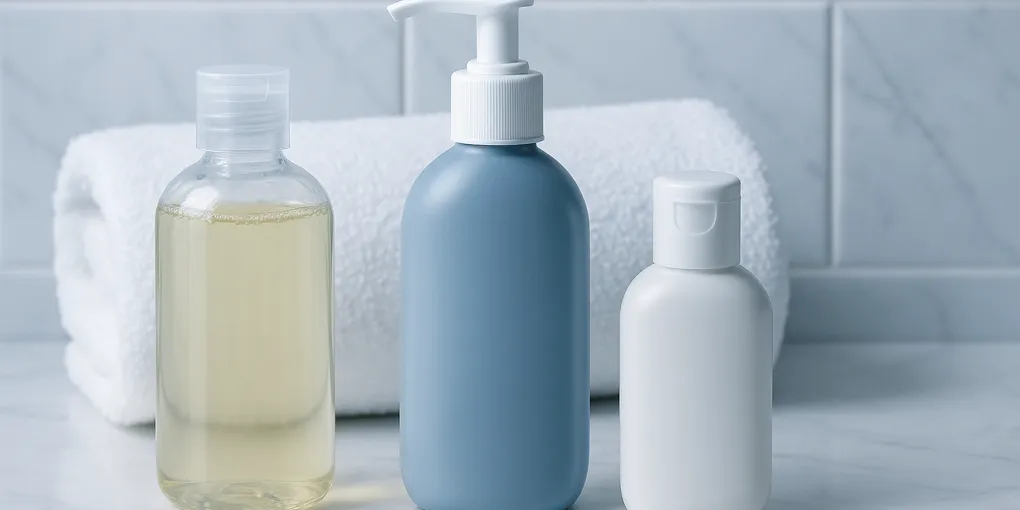
Burt's Bees Hypoallergenic Cat Shampoo
Best OverallpH: Balanced for cats
$8–$12 (10 oz)
Quick Comparison
| Product | Key Specs | Price Range | Buy |
|---|---|---|---|
| |
| $8–$12 (10 oz) | Check Price |
| |
| $12–$18 (17 oz) | Check Price |
| |
| $12–$18 (16 oz) | Check Price |
| |
| $8–$12 (8 oz) | Check Price |
Contains affiliate links — we may earn a small commission at no extra cost to you.
Best Cat Shampoos in 2026
The best cat shampoo for routine use is Burt’s Bees Hypoallergenic Cat Shampoo (PSR 4.6/5) — pH-balanced for feline skin, SLS-free, no essential oils, tearless formula, and appropriate for all coat types including sensitive skin. For cats with bacterial or fungal skin infections requiring treatment, Veterinary Formula Clinical Care Antiseptic & Antifungal (PSR 4.3/5) is the leading OTC medicated option — but requires a veterinary diagnosis before use to ensure it targets the correct organism.
TL;DR
- Best Overall: Burt’s Bees Hypoallergenic — pH-balanced, SLS-free, no essential oils (PSR 4.6/5)
- Best Medicated: Veterinary Formula Clinical Care — benzethonium Cl + ketoconazole, OTC for vet-diagnosed conditions (PSR 4.3/5)
- Best Sensitive Skin: John Paul Pet Oatmeal — colloidal oatmeal, SLS-free, anti-inflammatory (PSR 4.2/5)
- Best Waterless: Wahl Waterless — cornstarch formula, no water required, ideal for water-averse cats (PSR 4.0/5)
- Critical Warning: Tea tree oil in cat shampoo is TOXIC to cats — avoid any product containing tea tree oil, melaleuca, or eucalyptus
The most important rule in cat shampoo selection is ingredient exclusion — not ingredient inclusion. Cats cannot metabolize many compounds that are safe for dogs or humans. Tea tree oil, eucalyptus, pennyroyal, cinnamon oil, and several other commonly used aromatics are toxic to cats at concentrations regularly used in pet grooming products. A safe cat shampoo is defined first by what it does not contain.
Burt’s Bees Hypoallergenic Cat Shampoo Review: Best Overall
Burt’s Bees for Cats is the most veterinarian-recommended OTC cat shampoo — formulated specifically for feline skin pH, free of the ingredients that cause reactions in cat-sensitive formulas.
Key specifications:
- pH: Balanced for feline skin (6.0–7.0 range)
- SLS/SLES: Free — no irritating sulfate surfactants
- Key ingredients: Shea butter (moisturizing), honey (humectant)
- Essential oils: None
- Fragrance: None
- Tearless formula
- Cruelty-free; no parabens
PSR Composite Score Breakdown:
| Criterion | Score | Weight | Weighted Score |
|---|---|---|---|
| Safety & Ingredients | 9.5 | 25% | 2.38 |
| Durability & Build Quality | 9.0 | 20% | 1.80 |
| Pet Comfort & Acceptance | 9.2 | 20% | 1.84 |
| Value for Money | 9.0 | 20% | 1.80 |
| Ease of Use | 9.0 | 15% | 1.35 |
| Composite | 9.17 → PSR 4.6/5 |
Safety & Ingredients (9.5): No SLS, no essential oils, no parabens, no artificial dyes. Tearless formula eliminates eye irritation risk during bathing. Shea butter and honey are appropriate moisturizing agents for cat skin without toxicity concerns. pH-formulated for feline skin.
Pet Comfort & Acceptance (9.2): Fragrance-free formulas are better tolerated by cats than strongly scented products — cats groom after bathing and ingest residue from their coat. Unscented formulas reduce post-bath grooming aversion.
Pros:
- pH-balanced for feline skin
- No SLS, no essential oils, no fragrance
- Tearless — safe around eyes
- Shea butter conditioning reduces static and mat formation
- Appropriate for kittens (over 8 weeks)
Cons:
- Minimal lather (SLS-free = less foam — still cleans effectively but feels different to owners accustomed to human shampoo)
- Shea butter may require thorough rinsing in thick-coated cats
Veterinary Formula Clinical Care Review: Best Medicated
Veterinary Formula Clinical Care Antiseptic & Antifungal is the most readily available OTC medicated shampoo appropriate for cats with confirmed bacterial or fungal skin conditions.
Key specifications:
- Active ingredients: Benzethonium chloride 0.5% (antiseptic) + Ketoconazole 1% (antifungal)
- Indicated for: Bacterial pyoderma, Malassezia yeast overgrowth (fungal)
- pH: Veterinary-adjusted
- Not for routine use — medicated use only
PSR Composite Score Breakdown:
| Criterion | Score | Weight | Weighted Score |
|---|---|---|---|
| Safety & Ingredients | 8.5 | 25% | 2.13 |
| Durability & Build Quality | 9.0 | 20% | 1.80 |
| Pet Comfort & Acceptance | 8.5 | 20% | 1.70 |
| Value for Money | 9.0 | 20% | 1.80 |
| Ease of Use | 8.5 | 15% | 1.28 |
| Composite | 8.71 → PSR 4.3/5 |
Safety & Ingredients (8.5): Medicated shampoos require diagnosis before use — ketoconazole used on a bacterial-only infection without yeast does not address the infection and disrupts normal skin flora. Benzethonium chloride is appropriate for cats at 0.5%; higher concentrations are irritating. Requires veterinary diagnosis.
Pros:
- OTC — no prescription required
- Dual antibacterial/antifungal action
- Veterinary-recommended for appropriate diagnoses
- Larger bottle size (17 oz) for treatment courses
Cons:
- Requires veterinary diagnosis before use — not a routine shampoo
- Not appropriate for undiagnosed skin conditions
- Medicated scent; some cats resist bathing with stronger-smelling shampoos
John Paul Pet Oatmeal Shampoo Review: Best for Sensitive Skin
John Paul Pet’s oatmeal formula uses colloidal oatmeal (Avena sativa) — a dermatologically proven anti-inflammatory and skin-barrier support ingredient — for cats with dry, itchy, or flaky skin.
PSR Composite Score Breakdown:
| Criterion | Score | Weight | Weighted Score |
|---|---|---|---|
| Safety & Ingredients | 9.0 | 25% | 2.25 |
| Durability & Build Quality | 8.8 | 20% | 1.76 |
| Pet Comfort & Acceptance | 8.6 | 20% | 1.72 |
| Value for Money | 8.5 | 20% | 1.70 |
| Ease of Use | 8.5 | 15% | 1.28 |
| Composite | 8.71 → PSR 4.2/5 |
Safety & Ingredients (9.0): Colloidal oatmeal is safe for feline skin; anti-inflammatory properties documented in human and veterinary dermatology. No SLS; no high-risk essential oils. Mild botanical fragrance from ingredients not on the ASPCA toxic list.
Pros:
- Colloidal oatmeal soothes dry/itchy skin
- SLS-free
- Good for cats with mild environmental allergy-related skin dryness
- Pleasant mild scent
Cons:
- Botanical fragrance (mild) — some cats may groom excessively post-bath to remove scent
- Not appropriate as a medicated treatment for diagnosed skin conditions
Wahl Waterless No Rinse Shampoo Review: Best Waterless
The Wahl waterless spray is the practical solution for cats that refuse wet bathing — a cornstarch-based dry cleaning formula that can be worked into the coat, massaged through, and toweled off without water.
PSR Composite Score Breakdown:
| Criterion | Score | Weight | Weighted Score |
|---|---|---|---|
| Safety & Ingredients | 9.0 | 25% | 2.25 |
| Durability & Build Quality | 8.5 | 20% | 1.70 |
| Pet Comfort & Acceptance | 8.5 | 20% | 1.70 |
| Value for Money | 9.0 | 20% | 1.80 |
| Ease of Use | 9.5 | 15% | 1.43 |
| Composite | 8.88 → PSR 4.0/5 |
Ease of Use (9.5): No water required — apply, massage, towel off. For cats that become severely stressed by bathing, waterless shampoo is a significantly lower-stress alternative for routine coat freshening.
Pros:
- No water — minimal stress for water-averse cats
- Cornstarch base effectively absorbs grease and odor
- No SLS, no alcohol, no synthetic fragrance
- Can be used more frequently than wet bathing
Cons:
- Does not provide the same deep cleaning as wet bathing
- Cornstarch residue visible in dark coats
- Not appropriate as a replacement for medicated wet bathing
Cat Shampoo Comparison
| Product | Type | SLS-Free | pH for Cats | Essential Oils | Price | PSR Score |
|---|---|---|---|---|---|---|
| Burt’s Bees Hypoallergenic | Routine | Yes | Yes | None | $8–$12 | 4.6/5 |
| Veterinary Formula Clinical Care | Medicated | No | Yes | None | $12–$18 | 4.3/5 |
| John Paul Pet Oatmeal | Sensitive skin | Yes | Yes | Mild botanicals | $12–$18 | 4.2/5 |
| Wahl Waterless | Waterless | Yes | N/A | None | $8–$12 | 4.0/5 |
Who Should Choose Which Shampoo?
Burt’s Bees Hypoallergenic is the right choice for most cats needing routine bathing — safe, effective, and appropriate for all life stages including kittens over 8 weeks.
Veterinary Formula Clinical Care is appropriate only with a veterinary diagnosis of bacterial or fungal skin infection. Do not use it as a preventive or without confirming the skin condition type.
John Paul Pet Oatmeal suits cats with dry, flaky, or mildly itchy skin — particularly those in low-humidity environments or with mild environmental allergies affecting skin barrier.
Wahl Waterless is the practical solution for cats that cannot tolerate wet bathing — especially useful for arthritic senior cats who struggle with full baths or for routine freshening between occasional wet baths.
For complete cat grooming guides, see best cat deshedding tool, best cat grooming brush, best cat grooming gloves, best cat nail clippers, and best cat ear cleaner. For skin health support beyond bathing, see best cat supplements for omega-3 fatty acids that support coat and skin health.
Frequently Asked Questions
How often should I bathe my cat?
Most healthy cats need bathing only every 4–6 weeks maximum if needed at all. Frequent bathing disrupts the coat microbiome and strips protective sebum. Bathe when noticeably soiled, or per veterinary instruction for medicated shampoos.
Can I use human shampoo on my cat?
No — human shampoo is formulated for pH 4.5–5.5, too acidic for cat skin (pH 6.0–7.0). Repeated use causes dry, irritated skin. Always use a cat-specific or veterinary-formulated shampoo.
Is tea tree oil in cat shampoo safe?
No — tea tree oil is toxic to cats. Cats lack the enzyme to metabolize phenolic compounds in tea tree oil. The ASPCA lists it as a common grooming-product toxicosis in cats. Avoid any product containing tea tree oil, melaleuca, or eucalyptus.
What shampoo is safe for kittens?
Use kitten-labeled or tearless, fragrance-free hypoallergenic formulas (Burt’s Bees is appropriate). Avoid medicated shampoos unless veterinarian-prescribed. Do not bathe kittens under 8 weeks — hypothermia risk.
How do I bathe a cat that hates water?
Use Wahl Waterless for routine freshening. For necessary wet baths, warm water to body temperature, use a non-slip mat, keep water level low (2–3 inches), and use high-value treats throughout. Build positive associations over multiple sessions.
Frequently Asked Questions
- Most healthy cats with normal grooming habits need bathing only occasionally — every 4–6 weeks maximum for cats that require bathing at all. Cats are effective self-groomers; frequent bathing disrupts the natural coat microbiome and strips protective sebum. Bathe when the coat is noticeably soiled, when grooming cannot reach certain areas (obese or arthritic cats), or when using a medicated shampoo for a skin condition per veterinary instruction.
- No — human shampoos are formulated for skin pH 4.5–5.5, significantly more acidic than feline skin (pH 6.0–7.0). Using human shampoo repeatedly disrupts the feline acid mantle, leads to dry flaky skin, and can trigger irritant dermatitis. Always use a shampoo specifically formulated for cats or veterinary use.
- No — tea tree oil (melaleuca) is toxic to cats. Cats lack the glucuronyl transferase enzyme required to metabolize phenolic compounds in tea tree oil. The ASPCA Animal Poison Control lists tea tree oil as one of the most common grooming-product toxicoses in cats. Even at 1% concentration in shampoo, tea tree oil can cause ataxia and hepatotoxicity in cats. Avoid any cat product containing tea tree oil.
- Use only kitten-labeled or tearless, fragrance-free hypoallergenic formulas for kittens. Burt's Bees Hypoallergenic is appropriate for kittens. Avoid all medicated shampoos on kittens unless prescribed by a veterinarian. Kittens under 8 weeks should not be bathed at all — they cannot thermoregulate effectively and are at risk of hypothermia.
- For water-resistant cats, use a waterless dry shampoo (Wahl Pet-Friendly Waterless) for routine freshening. For necessary wet baths, warm the water to body temperature (101–102°F), use a non-slip bath mat, fill the tub to only 2–3 inches, and move slowly and calmly. Starting with a calm cat on a non-slip surface in a small, warm space minimizes stress. High-value treats before, during, and after help build positive associations over multiple sessions.