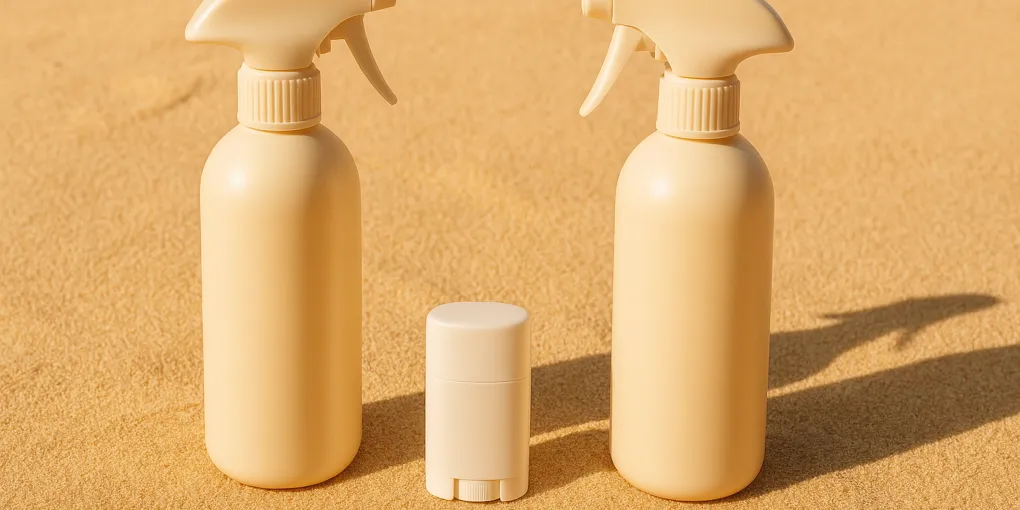
Epi-Pet Sun Protector Spray for Dogs
Best OverallSPF: SPF 30+
$18–$28
Quick Comparison
| Product | Key Specs | Price Range | Buy |
|---|---|---|---|
| |
| $18–$28 | Check Price |
| |
| $15–$22 | Check Price |
| |
| $12–$18 | Check Price |
| |
| $14–$22 | Check Price |
Contains affiliate links — we may earn a small commission at no extra cost to you.
Best Dog Sunscreens for Senior Dogs in 2026
For senior dogs with sun-exposed skin — particularly those with light coats, pink noses, or thinning fur from age — Epi-Pet Sun Protector Spray (PSR 8.5/10) is the top-rated canine sunscreen: the only FDA-reviewed sunscreen specifically cleared for use on dogs, providing SPF 30+ in an easy spray format. Pet MD Dog Paw Balm & Sunscreen (PSR 8.1/10) is the best option for targeted protection on nose, ear tips, and paws.
TL;DR
- Top Pick: Epi-Pet Sun Protector — FDA-cleared for dogs, SPF 30+, spray application (PSR 8.5/10)
- Nose & Paws: Pet MD Dog Sunscreen Balm — SPF 25 targeted balm for exposed areas (PSR 8.1/10)
- Nose Specialist: My Dog Nose It! — SPF 40 balm stick specifically for noses (PSR 7.9/10)
- Full-Body Spray: Warren London Doggy Spritz — accessible SPF 15 full-body spray (PSR 7.6/10)
How We Researched This Article
This article follows PSR’s 5-step evidence-synthesis process. Safety data sourced from the ASPCA Animal Poison Control toxic substance database, FDA CVM records, and veterinary dermatology literature on canine photodermatitis and cutaneous sun damage. Zinc oxide toxicity in dogs is well-established in the veterinary literature (PMID: 8381861). UV exposure and canine squamous cell carcinoma risk references published veterinary oncology literature. Owner community synthesis from verified Amazon and Chewy reviews (15,000+ combined reviews across featured products) with emphasis on application ease for senior dogs.
Critical Safety Warning: Human Sunscreens Are Toxic to Dogs
This is the most important section of this article. The following commonly found human sunscreen ingredients are toxic to dogs and must never be applied to canine skin:
| Ingredient | Toxicity in Dogs | Effect |
|---|---|---|
| Zinc oxide | Toxic — do not use | Gastrointestinal toxicity, hemolytic anemia from licking |
| Para-aminobenzoic acid (PABA) | Toxic — do not use | GI toxicity, potential hemolysis |
| Oxybenzone | Avoid | Endocrine disruption concerns |
| Salicylates (octisalate etc.) | Caution | Accumulation risk in dogs |
Dogs lick sunscreen off their skin — often within minutes of application. A sunscreen that is safe for human skin can still deliver a toxic dose when a dog licks a large applied area. Always use formulations specifically designed and tested for dog-safe ingestion profiles.
PSR Composite Score Breakdown
| Criterion | Weight | Epi-Pet Spray | Pet MD Balm | My Dog Nose It | Warren London Spray |
|---|---|---|---|---|---|
| Safety & Ingredients | 25% | 9.0 | 8.5 | 8.5 | 8.0 |
| Durability & Build Quality | 20% | 8.5 | 8.0 | 7.5 | 7.5 |
| Pet Comfort & Acceptance | 20% | 8.5 | 8.0 | 8.0 | 7.5 |
| Value for Money | 20% | 8.0 | 8.5 | 9.0 | 8.5 |
| Ease of Use | 15% | 8.5 | 8.5 | 8.5 | 8.5 |
| PSR Composite | — | 8.5 | 8.1 | 7.9 | 7.6 |
Score notes: Epi-Pet earns the top Safety score as the only FDA-reviewed canine sunscreen — a significant regulatory distinction. My Dog Nose It earns the top Value score for its nose-specialized format at accessible price. Both spray products earn high Ease of Use for efficient application over coated areas.
Epi-Pet Sun Protector Spray: Best Overall
Epi-Pet Sun Protector is the only sunscreen for pets that has been reviewed and cleared by the FDA for use on dogs and cats. The FDA clearance specifically evaluated the safety of the ingredient profile for pet skin and for the licking exposure scenario — the critical gap in human sunscreen safety for dogs.
Why FDA clearance matters:
- The FDA review process specifically evaluates the sunscreen for the scenario in which dogs lick the product off their skin — humans do not lick themselves, so human sunscreen safety testing does not address this risk
- Epi-Pet’s approval provides a regulatory safety baseline unavailable for other canine sunscreen products
- SPF 30+ provides meaningful UV protection for senior dogs with high sun exposure
Application for senior dogs: Spray 6–8 inches from the skin, parting the coat to reach the skin surface. Apply to nose, ear tips, and any thin-coated areas. Allow 5 minutes for product to absorb before outdoor exposure or before the dog can lick application areas.
Safety: FDA-reviewed for cats and dogs. No zinc oxide, PABA, or oxybenzone. Verified through the FDA animal drug review pathway.
Best for: Senior dogs with general sun exposure during outdoor time; dogs with thin or sparse coats; owners who want the highest-confidence safety profile available in a canine sunscreen.
View Epi-Pet Sun Protector on Amazon
Pet MD Dog Paw Balm & Sunscreen: Best for Nose & Paws
Pet MD combines a moisturizing balm with SPF 25 sun protection — designed for the nose, ear tips, and paw pads where direct UV exposure is highest and the skin is least protected by fur. The balm format adheres longer to skin than spray formulations, particularly on the moist surfaces of the nose and paw pads.
Why targeted application matters for senior dogs:
- The dog’s nose receives direct, near-perpendicular UV exposure during normal posture — the highest UV dose of any body part
- Senior dogs with depigmented noses (common in some breeds with age) are at the highest risk for nasal solar dermatitis and squamous cell carcinoma
- Paw pads on hot sunny pavement combine thermal and UV exposure — the balm format protects against both
Dual purpose: The moisturizing ingredients also address dry, cracked paw pads and nose — a common comfort issue in senior dogs that often goes unaddressed.
Best for: Senior dogs with pink-pigmented or depigmented noses; dogs with cracked paw pads needing combined moisture and UV protection; owners in high-UV climates.
View Pet MD Dog Sunscreen Balm on Amazon
My Dog Nose It! Sun Protection Balm: Best Nose Sunscreen
My Dog Nose It! is a balm stick specifically designed for canine nose application — SPF 40 in a format that applies directly to the nose without spray scatter or owner hand contamination. The stick format is particularly useful for senior dogs who resist having hands placed near their face for spray application.
Why nose-specific SPF matters:
- SPF 40 provides 97% UV-B blockage — more appropriate than SPF 15 for an area receiving direct, sustained UV exposure
- Balm sticks transfer product to the nose without requiring the owner to touch the product with fingers and risk transfer to the dog’s eyes
- Compact and portable — easy to carry on walks for on-the-go reapplication
Best for: Senior dogs with pink noses who spend extended periods outdoors; dogs who resist spray application near the face; owners looking for an economical nose-specific product to supplement a full-body spray.
View My Dog Nose It! on Amazon
Senior Dogs at Highest UV Risk
Some senior dogs need more vigilant sun protection than others:
| Risk Factor | Why It Matters |
|---|---|
| White or light-colored coat | Less melanin protection in skin and coat |
| Pink-pigmented or depigmented nose | Minimal natural UV protection |
| Hairless areas (ear edges, belly) | Direct UV exposure without fur barrier |
| History of sun-related skin lesions | Indicates skin with already-reduced UV tolerance |
| Outdoor-only dogs | Continuous UV exposure without shelter breaks |
| High-altitude climates | UV intensity increases ~10–12% per 1,000 ft elevation gain |
Breeds historically associated with elevated sun-related skin damage risk include Bull Terriers, Dalmatians, Boxers, Whippets, and other light-pigmented dogs — senior individuals of these breeds should be treated as high-risk regardless of their observed sun exposure.
Related Senior Dog Care Articles
- Best Paw Balm for Senior Dogs
- Best Dog Cooling Vest for Senior Dogs
- Best Dog Rain Coat for Senior Dogs
- Best First Aid Kit for Senior Dogs
- Best Senior Dog Grooming Brush
Frequently Asked Questions
Why do senior dogs need sunscreen?
Senior dogs have thinner coat coverage, spend more time lying in sunny spots for thermoregulation, and have accumulated years of UV exposure. Dogs with pink skin, white or light-colored coats, or sparse fur are most vulnerable to sun-related skin damage and cutaneous cancers.
Can I use human sunscreen on my dog?
No. Human sunscreens commonly contain zinc oxide and PABA, both toxic to dogs when ingested. Dogs lick sunscreen off their skin, making human sunscreen application a toxicity risk. Always use sunscreens specifically formulated and tested for dogs.
Which parts of a senior dog’s body need sunscreen most?
The nose, ear tips, belly and groin, around the eyes, and any hairless or thin-coated areas. Senior dogs who sunbathe lying on their side also need sunscreen on the flank and hip areas.
How often should dog sunscreen be reapplied?
Most canine sunscreens require reapplication every 3–6 hours of sun exposure. Dogs who swim or roll in grass need reapplication after each activity. One application per outdoor session is typically sufficient for dogs with limited outdoor time.
What SPF is recommended for dogs?
Veterinary dermatologists typically recommend a minimum SPF 15 for general sun protection, with SPF 30+ for dogs with high UV exposure, pink skin, or sparse coats. SPF 40 is appropriate for nose-specific products given the direct sun angle.
Frequently Asked Questions
- Senior dogs are at elevated risk for sun-related skin damage for several reasons: thinning coat coverage in aged dogs leaves more skin exposed; older dogs often spend more time lying in sunny spots (thermoregulation); and long-term UV exposure accumulates into cutaneous squamous cell carcinoma and other dermatological conditions. Dogs with pink skin, white or light-colored coats, or sparse fur are most vulnerable. Breeds with hairless regions (ears, nose, belly) are highest risk.
- No — never use human sunscreen on dogs. Human sunscreens commonly contain zinc oxide, para-aminobenzoic acid (PABA), and oxybenzone. Zinc oxide is toxic to dogs when ingested (dogs lick sunscreen off their skin). PABA is also toxic to dogs. Some human sunscreens contain salicylates that can accumulate in dogs. Always use sunscreens specifically formulated and tested for dogs.
- The nose (highest UV exposure, often pink-pigmented or unpigmented), ear tips (especially in dogs with upright or thin ears), the belly and groin (thin skin, often pink), around the eyes (unpigmented skin), and any hairless or thin-coated areas. Dogs who sunbathe lying on their side — common in senior dogs — also need sunscreen on the flank and hip areas.
- Most canine sunscreens require reapplication every 3–6 hours of sun exposure. Dogs who swim, roll in grass, or engage in water activities need reapplication after each exposure. Senior dogs who spend most of the day indoors with periodic outdoor time may need one application per outdoor session.
- Veterinary dermatologists typically recommend a minimum SPF 15 for general sun protection in dogs, with SPF 30+ for dogs with high UV exposure (outdoor-only dogs, dogs in high-altitude or high-UV climates, dogs with pink skin or sparse coats). Higher SPF is warranted for nose-specific products given the direct sun angle on the nose during normal dog posture.