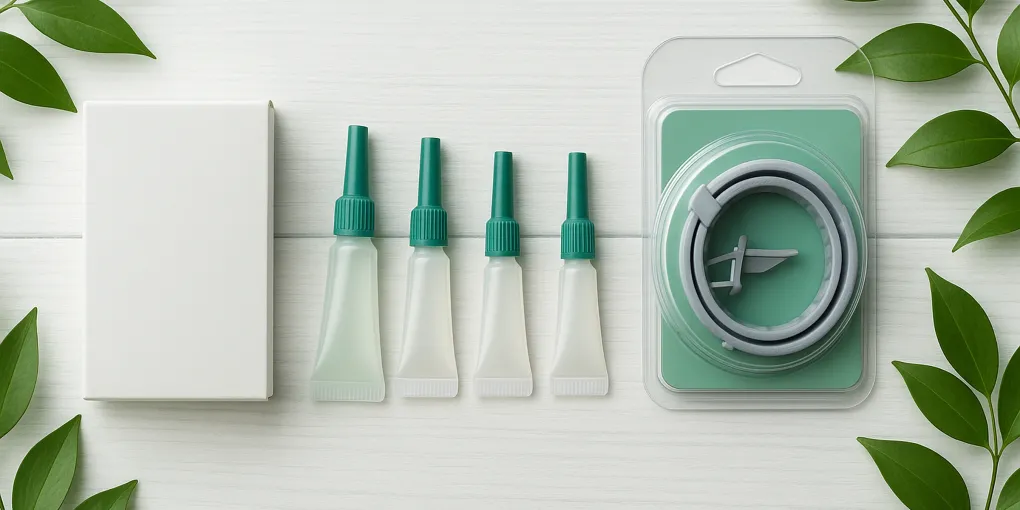
Frontline Plus (Fipronil + S-Methoprene)
Best Overall for Senior DogsActive ingredients: Fipronil 9.8%, S-Methoprene 8.8%
$35–$55 (3-month supply)
Quick Comparison
| Product | Key Specs | Price Range | Buy |
|---|---|---|---|
| |
| $35–$55 (3-month supply) | Check Price |
| |
| $40–$60 (3-month supply) | Check Price |
| |
| $55–$70 (8-month collar) | Check Price |
| |
| $50–$80 (3-month supply, Rx) | Check Price |
Contains affiliate links — we may earn a small commission at no extra cost to you.
Best Flea and Tick Prevention for Senior Dogs in 2026
For most senior dogs in good health, Frontline Plus (PSR 8.4/10) is the top-rated flea and tick prevention option — fipronil has a decades-long safety record, minimal hepatic metabolism making it appropriate for dogs with age-related organ changes, and broad efficacy against both fleas and ticks. K9 Advantix II (PSR 8.1/10) is the better choice for tick-heavy environments where repellency (not just killing) is needed.
TL;DR
- Best Overall for Senior Dogs: Frontline Plus — minimal hepatic metabolism, decades-long safety record, monthly topical (PSR 8.4/10)
- Best Tick Repellent: K9 Advantix II — repels and kills ticks and mosquitoes, monthly topical (PSR 8.1/10)
- Best Continuous Protection: Seresto Collar — 8 months of steady low-dose release without monthly reapplication (PSR 7.8/10)
- Best Prescription Option: Revolution Plus — adds heartworm, ear mite, and mange coverage alongside flea/tick (PSR 8.0/10)
How We Researched This Article
This article follows PSR’s 5-step evidence-synthesis process with particular emphasis on senior dog safety. Safety assessment included reviewing FDA’s Center for Veterinary Medicine adverse event database, published pharmacokinetic studies on featured active ingredients in aged animals, and veterinary internal medicine guidance on parasiticide selection in geriatric patients. Efficacy data from manufacturer label claims and independent parasitology studies. Owner synthesis from verified Amazon reviews and senior dog health communities specifically focusing on tolerability reports in dogs aged 8+.
Why Flea and Tick Prevention Requires Extra Care in Senior Dogs
Organ function changes: Liver and kidney function decline with age in dogs, altering how parasiticides are metabolized and excreted. Products processed primarily by the liver (oral isoxazolines) accumulate differently in older dogs than younger ones. Topical products with minimal systemic absorption (fipronil-based spot-ons) are often preferable for dogs with diagnosed hepatic or renal insufficiency.
Neurological considerations: Senior dogs have higher rates of undetected neurological conditions (cognitive dysfunction, peripheral neuropathy, vestibular disease) that can make them more sensitive to the neurological adverse effects reported for some parasiticides. Neurological adverse events are uncommon overall but deserve consideration in older dogs with any neurological history.
Drug interactions: Senior dogs are significantly more likely to be on multiple medications than young adult dogs (NSAIDs for arthritis, cardiac medications, thyroid supplements, antibiotics). Parasiticides can interact with drugs metabolized by the same hepatic enzyme pathways. Always inform your veterinarian of all medications the dog is receiving before selecting a parasite prevention product.
Skin sensitivity: Older dogs have thinner, more fragile skin with reduced wound healing capacity. Continuous-release collar products can cause local skin reactions that are less likely to occur in younger dogs. Monitor skin under collars and at spot-on application sites carefully.
Immune senescence: Older dogs’ immune systems respond less vigorously to parasite infestations — meaning fleas, ticks, and their associated diseases (Lyme, Anaplasmosis, Rocky Mountain Spotted Fever) can become established more quickly and cause more serious illness. Consistent prevention is more important in senior dogs, not less.
PSR Composite Score Breakdown
| Criterion | Weight | Frontline Plus | K9 Advantix II | Seresto Collar | Revolution Plus |
|---|---|---|---|---|---|
| Safety & Ingredients | 25% | 9.0 | 8.5 | 8.0 | 8.5 |
| Durability & Build Quality | 20% | 8.0 | 8.0 | 9.0 | 8.0 |
| Pet Comfort & Acceptance | 20% | 8.5 | 8.0 | 7.5 | 8.0 |
| Value for Money | 20% | 8.0 | 7.5 | 8.0 | 7.0 |
| Ease of Use | 15% | 8.5 | 8.5 | 9.0 | 8.5 |
| PSR Composite | — | 8.4 | 8.1 | 7.8 | 8.0 |
Score notes: Frontline Plus earns the top Safety score for fipronil’s established hepatic safety profile in senior dogs. Seresto earns the top Durability and Ease of Use scores for its 8-month wear duration. Revolution Plus earns a strong Safety score but lower Value due to prescription cost.
Frontline Plus: Best Overall for Senior Dogs
Frontline Plus (fipronil + S-methoprene) remains the gold standard for senior dog flea and tick prevention because of its exceptional safety record in aged dogs. Fipronil is minimally absorbed systemically after topical application, with most of the drug remaining in the lipid layer of the skin and fur. This minimal systemic absorption means it does not substantially burden the liver or kidney — critical for senior dogs with age-related organ changes.
Why fipronil’s safety profile suits senior dogs:
- Limited systemic absorption reduces hepatic metabolism requirement compared to oral parasiticides
- Over 25 years of post-market safety data with one of the lowest adverse event rates in the class
- S-methoprene (the insect growth regulator) breaks the flea lifecycle by preventing egg development — addresses infestations at the environmental source, not just the dog
Tick coverage: Kills and controls American Dog Tick, Brown Dog Tick, Lone Star Tick, and Deer Tick (the primary Lyme disease vector). Does not repel ticks before they attach but kills them within 24–48 hours.
Best for: Most senior dogs regardless of health status; dogs with diagnosed liver or kidney disease (with veterinarian confirmation); owners who want the longest safety track record.
K9 Advantix II: Best Tick Repellent
K9 Advantix II (imidacloprid + permethrin + pyriproxyfen) is the only topical product in this comparison that repels ticks before they attach — the permethrin component repels and kills ticks on contact without requiring them to bite. For senior dogs in tick-endemic areas (Lyme disease regions of the Northeast, upper Midwest; Rocky Mountain Spotted Fever regions of the Southeast), this pre-attachment repellency meaningfully reduces disease transmission risk.
Critical warning for cat households: Permethrin is acutely toxic to cats. K9 Advantix II must not be used in households with cats who groom dogs or share sleeping surfaces. The risk is severe enough that this product is not appropriate for any multi-pet household with cats.
For senior dogs in high-tick environments:
- Pre-attachment repellency reduces the time ticks spend on the dog’s coat searching for a bite site
- Also repels mosquitoes (West Nile, heartworm vector) and biting flies
- Monthly reapplication maintains consistent protection
Seresto Flea and Tick Collar: Best Continuous Protection
The Seresto collar releases low doses of imidacloprid and flumethrin continuously over 8 months — eliminating the need for monthly reapplication. For senior dog owners who find monthly spot-on applications stressful for themselves or their dog (dogs who resist handling, skin that bruises easily), the collar’s set-and-forget approach reduces the handling burden significantly.
Monitor carefully in senior dogs:
- Check the skin under the collar weekly — senior dogs with thin or sensitive skin can develop contact reactions
- Ensure the collar has a safety release mechanism (Seresto does include a break-away clip) in case the dog gets caught
- The collar should be snug enough to prevent the dog from chewing it but loose enough for 2 fingers underneath
EPA adverse event notes: The Seresto collar has been the subject of EPA reviews related to reported adverse events. EPA has maintained that when used as directed, it remains approvable — but owners should review the current EPA status and consult their veterinarian before use, particularly for dogs with known skin sensitivity.
Revolution Plus: Best Prescription Option
Revolution Plus (selamectin + sarolaner) is a prescription topical that extends beyond flea/tick prevention to cover heartworm disease, ear mites, and mange — offering comprehensive parasite control in a single monthly application. For senior dogs who are already on heartworm prevention, switching to Revolution Plus may consolidate multiple products into one.
Note: Sarolaner is an isoxazoline. The FDA label warning regarding neurological adverse events applies. Senior dogs with neurological conditions or history should be specifically evaluated by a veterinarian before starting this product.
View Revolution Plus on Amazon
Related Senior Dog Health Articles
- Best Senior Dog Multivitamins
- Best Joint Supplements for Senior Dogs
- Best Pain Relief Chews for Senior Dogs
- Best CBD Treats for Senior Dogs
- Best Dog First Aid Kit for Senior Dogs
- Best Senior Dog Food for Large Breeds
Frequently Asked Questions
Is flea and tick prevention safe for older dogs with kidney or liver disease?
Topical fipronil-based products (Frontline Plus) are generally considered safer for dogs with early organ impairment due to minimal systemic absorption. Oral isoxazoline-class products require more significant hepatic metabolism and should be discussed with a veterinarian for dogs with confirmed liver disease.
Do isoxazoline flea and tick medications pose extra risks for senior dogs?
Isoxazolines carry an FDA label warning for potential neurological adverse events (tremors, ataxia, seizures) — particularly in dogs with pre-existing neurological conditions. Senior dogs with any neurological history warrant a veterinarian discussion before isoxazoline use.
Are flea collars safe for senior dogs?
Seresto collars can cause local skin reactions in senior dogs with thin or sensitive skin. Monitor the neck weekly for redness, hair loss, or irritation, and discontinue if skin changes occur.
How often should senior dogs be checked for fleas and ticks?
Check for ticks after every outdoor excursion. Perform monthly flea combing. Senior dogs with immune senescence may not scratch visibly — regular physical inspection is more reliable than waiting for behavioral signs.
Frequently Asked Questions
- Flea and tick prevention safety in dogs with organ disease depends on the specific product and the severity of the condition. Many topical spot-ons (fipronil-based products like Frontline) are minimally metabolized by the liver and kidney and are generally considered safer for dogs with early organ impairment. Oral isoxazoline-class products (Bravecto, NexGard, Simparica) require more significant hepatic metabolism and should be used cautiously in dogs with confirmed liver disease. Always discuss specific product selection with your veterinarian when a senior dog has diagnosed organ disease.
- Isoxazoline medications (Bravecto, NexGard, Credelio, Simparica) carry an FDA label warning for potential neurological adverse events including tremors, ataxia, and seizures — particularly in dogs with pre-existing neurological conditions. Senior dogs are more likely to have undiagnosed neurological conditions, and cognitive decline can make neurological adverse events harder to detect. This does not mean isoxazolines are dangerous for all senior dogs, but it warrants a veterinarian conversation before use in aged dogs with any neurological history.
- The Seresto collar has faced scrutiny following EPA reports of adverse events, though regulatory review has not resulted in suspension. For senior dogs with skin sensitivity (thinner skin with reduced healing capacity), the collar's continuous chemical release can cause local skin reactions at the neck. Monitor the skin under the collar weekly for redness, hair loss, or irritation. If skin changes occur, discontinue use and consult a veterinarian.
- Senior dogs should be checked for ticks after every outdoor excursion (run your fingers through the coat along the head, neck, legs, and between the toes). Monthly flea combing identifies flea dirt (dark specks that turn red on wet tissue) before infestation becomes established. Senior dogs with immune senescence may respond to flea infestation less visibly than young dogs — regular physical inspection is more reliable than waiting for the dog to scratch.