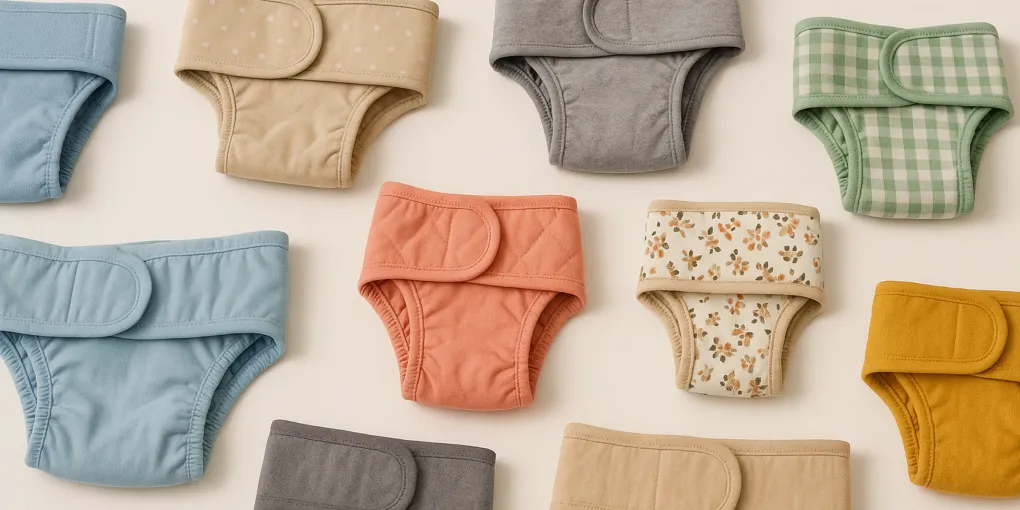
Simple Solution Disposable Dog Diapers
Best OverallType: Disposable full wrap
$18–$28 (12-pack)
Quick Comparison
| Product | Key Specs | Price Range | Buy |
|---|---|---|---|
| |
| $18–$28 (12-pack) | Check Price |
| |
| $22–$32 (3-pack) | Check Price |
| |
| $18–$25 (3-pack) | Check Price |
| |
| $20–$30 (12-pack) | Check Price |
Contains affiliate links — we may earn a small commission at no extra cost to you.
Best Dog Diapers for Senior Dogs in 2026
For senior dogs experiencing urinary incontinence from USMI, cognitive dysfunction, or neurological changes, Simple Solution Disposable Dog Diapers (PSR 8.5/10) provide the most reliable leak protection with a super-absorbent polymer core, contoured fit, and secure tail-hole design. Pet Parents Washable Diapers (PSR 8.2/10) are the top reusable option — offering comparable absorption with long-term cost savings for owners managing chronic incontinence.
TL;DR
- Top Pick: Simple Solution Disposable — reliable absorption, contoured fit, widely available (PSR 8.5/10)
- Best Reusable: Pet Parents Washable — long-term cost savings, machine washable, full size range (PSR 8.2/10)
- Male Dogs: Wegreeco Belly Band — targeted belly-band design for male incontinence (PSR 7.8/10)
- Sensitive Skin: Paw Inspired Disposable — hypoallergenic materials for reactive skin (PSR 7.6/10)
How We Researched This Article
This article follows PSR’s 5-step evidence-synthesis process. Safety assessment covered material composition (hypoallergenic, skin-safe, breathable), UTI risk from prolonged use, and skin integrity data from veterinary dermatology literature. User community synthesis sourced from verified Amazon purchase reviews (combined 30,000+ reviews across products). Causes and management of canine urinary incontinence reviewed against ACVIM small animal internal medicine guidelines and veterinary urology resources.
Understanding Senior Dog Incontinence
Incontinence in senior dogs is more common than many owners realize and is rarely the dog’s “fault.” Key causes include:
Urethral Sphincter Mechanism Incompetence (USMI): Affects primarily spayed female dogs. Estrogen decline after spaying weakens urethral muscle tone over years — senior female dogs often develop stress incontinence (leaking during sleep, when rising, or when excited). First-line veterinary treatment is phenylpropanolamine (PPA) or estriol, often reducing or eliminating incontinence with medication.
Cognitive Dysfunction Syndrome (CDS): Senior dogs with CDS may forget housetraining associations, resulting in accidents indoors. This is behavioral, not sphincter-related — management combines CDS treatment, consistent routine, and containment strategies including diapers.
Neurological causes: Spinal cord lesions or intervertebral disc disease can compromise the neural pathway controlling the bladder, causing overflow incontinence or inability to fully void.
Important: Always obtain veterinary diagnosis before assuming incontinence is purely age-related. UTIs, bladder stones, and Cushing’s disease all present with incontinence symptoms and are treatable.
What Matters in a Senior Dog Diaper?
Absorption capacity: Senior dogs leak throughout the night and during sleep — absorption capacity matters more than it does for younger incontinent dogs who void in predictable bursts. Super-absorbent polymer cores (similar to infant diaper technology) outperform basic padding in overnight use.
Secure fit without pressure: Diapers that slip, bunch, or apply pressure to the spine, hips, or abdomen create discomfort for dogs with arthritis or mobility issues. Adjustable Velcro closures allow custom fitting.
Breathable materials: Non-breathable plastics against skin in a moist environment cause urine scald and yeast dermatitis. Look for products that specify breathable outer layers.
Tail hole design: A properly designed tail hole prevents the diaper from slipping down at the back while maintaining a seal. Poorly designed tail holes are the most common source of leaks in full-wrap diapers.
Reusable vs. disposable: For mild, intermittent incontinence, disposable diapers provide convenience. For chronic daily incontinence requiring multiple changes per day, reusable diapers offer significant cost savings — a 3-pack of washable diapers at $25 replaces hundreds of dollars in disposables over a year.
Male vs. female considerations: Male dogs typically need belly bands (wraps around the belly/prepuce area) for urinary incontinence — full diapers are uncomfortable and unnecessary for male dogs who don’t defecate in them. Female dogs need full-wrap diapers for both urinary and fecal incontinence.
PSR Composite Score Breakdown
| Criterion | Weight | Simple Solution Disposable | Pet Parents Washable | Wegreeco Belly Band | Paw Inspired Disposable |
|---|---|---|---|---|---|
| Safety & Ingredients | 25% | 8.5 | 8.5 | 8.5 | 9.0 |
| Durability & Build Quality | 20% | 7.5 | 9.0 | 8.5 | 7.5 |
| Pet Comfort & Acceptance | 20% | 9.0 | 8.0 | 8.0 | 8.0 |
| Value for Money | 20% | 8.5 | 8.5 | 8.5 | 7.5 |
| Ease of Use | 15% | 9.0 | 7.5 | 8.0 | 8.5 |
| PSR Composite | — | 8.5 | 8.2 | 7.8 | 7.6 |
Score notes: Simple Solution earns highest Pet Comfort and Ease of Use for contoured fit and straightforward application. Pet Parents earns highest Durability for multi-year reusable construction. Wegreeco earns high scores across criteria as a purpose-built male product. Paw Inspired earns the highest Safety score for hypoallergenic materials — recommended for dogs with documented contact sensitivity.
Simple Solution Disposable Diapers: Best Overall
Simple Solution’s disposable dog diapers use a super-absorbent polymer core and a moisture-wicking inner layer that keeps the dog’s skin drier between changes compared to basic padding. The contoured shape with elastic waist and leg openings provides a secure fit with minimal bunching, and the adjustable tail hole design significantly reduces back-end leakage.
What makes it the top pick:
- Super-absorbent polymer core provides high-capacity absorption for overnight or extended wear
- Moisture-wicking inner layer reduces urine contact with skin compared to basic padding
- Elastic waist and leg openings maintain seal without restricting movement
- Available in XS through XL with clear sizing guidance
- Widely available in retail and online channels — consistent supply for ongoing management
Safety: No documented recalls. Materials have passed standard consumer safety tests for disposable absorbent products. Breathable outer layer reduces heat and moisture buildup.
Best for: Senior dogs with moderate-to-heavy urinary incontinence; owners who need reliable overnight protection; households managing incontinence on a variable schedule where reusables would be impractical.
View Simple Solution Disposable Diapers on Amazon
Pet Parents Washable Diapers: Best Reusable
Pet Parents Washable Dog Diapers feature a sewn-in super-absorbent lining within a soft, stretchy outer shell that washes and dries well — owners report 6–12+ months of reliable use from a single 3-pack. The stretchy fabric provides comfortable fit without restriction, and the design accommodates dogs with the widest size range of any product reviewed (XS through 3XL, covering Chihuahuas to Great Danes).
Why reusable diapers save money:
- A 3-pack at $25–$32 replaces approximately 300–600 disposable diapers in chronic incontinence management — significant annual savings
- Machine washable and dryer safe — no special washing required
- Multiple packs allow cycling — one in use, one in the wash, one as spare
Trade-offs:
- Require daily washing to maintain hygiene
- Slightly more complex to apply than disposables
- Sewn-in pad cannot be independently replaced if the lining wears before the outer shell
Best for: Senior dogs with chronic, daily incontinence where the ongoing cost of disposables is a significant burden; owners who do laundry regularly and can maintain the cycling routine.
View Pet Parents Washable Diapers on Amazon
Wegreeco Belly Band: Best for Male Dogs
Wegreeco’s belly band wraps around the male dog’s abdomen and prepuce, absorbing urinary leakage without the full-wrap diaper design that most male dogs find uncomfortable and unnecessary. The built-in absorbent pad accommodates mild-to-moderate incontinence; an optional booster pad can be added for heavier leakage. Machine washable and available in XS through XXL.
Why belly bands are better for male dogs:
- Male urinary incontinence does not require protection of the hindquarters — belly bands are targeted, comfortable, and less restrictive
- Correct fit prevents the wrap from sliding forward or backward during movement
- Optional booster pad provides overnight capacity upgrade without changing the external fit
Trade-offs:
- Not appropriate for fecal incontinence — use full-wrap diaper if both types of incontinence are present
- Requires precise waist measurement — ill-fitting belly bands slip and leak
Best for: Male senior dogs with urinary incontinence; owners who want a less restrictive containment solution for daytime use.
View Wegreeco Belly Band on Amazon
Paw Inspired Disposable Diapers: Best for Sensitive Skin
Paw Inspired uses hypoallergenic materials throughout — fragrance-free, dye-free inner layer with a super-absorbent core and a soft outer shell designed for dogs with contact dermatitis or reactive skin. The sizing range (XXS through XL) accommodates the smallest senior dogs — toy breeds often sized out of standard diaper lines.
Why hypoallergenic materials matter for some senior dogs:
- Older dogs with skin conditions (allergies, atopic dermatitis) or immune-compromised skin are more likely to react to fragrances, dyes, or chemical additives in standard disposable diapers
- Fragrance-free construction avoids masking odors that indicate a skin problem developing under the diaper
- Smallest size (XXS) fits toy breeds down to 3 lbs — important for small senior dogs
Trade-offs:
- Slightly higher per-unit cost than Simple Solution
- Absorption capacity is comparable but not superior to Simple Solution
Best for: Senior dogs with known contact skin sensitivities; toy breed senior dogs who need the smallest available sizing.
View Paw Inspired Diapers on Amazon
Skin Protection Protocol for Incontinent Senior Dogs
Preventing urine scald and UTIs requires more than just a good diaper:
- Change every 2–4 hours during waking hours; check at least once overnight
- Rinse and dry the diaper area at each change — a gentle unscented dog-safe cleanser or warm water rinse
- Inspect for redness — early urine scald appears as reddening of skin around the inner thighs and prepuce/vulva area
- Apply a zinc oxide-free barrier cream if redness appears — zinc oxide is toxic if licked in large amounts; use pet-safe alternatives
- Check for UTI signs — straining to urinate, blood in urine, or increased frequency of accidents beyond the baseline incontinence pattern warrants veterinary assessment
Related Senior Dog Care Articles
- Best Non-Slip Mats for Senior Dogs
- Best Dog Mobility Harness for Senior Dogs
- Best Orthopedic Dog Beds for Senior Dogs
- Best Cognitive Supplements for Senior Dogs
- Best Heated Dog Beds for Senior Dogs
Frequently Asked Questions
What causes urinary incontinence in senior dogs?
Common causes include urethral sphincter mechanism incompetence (USMI) — most common in spayed female dogs — caused by reduced estrogen and weakening of urethral muscle tone. Other causes include cognitive dysfunction syndrome, neurological disease, urinary tract infections, bladder stones, and Cushing’s disease. Veterinary diagnosis is important before assuming incontinence is purely age-related, as several causes are treatable.
Are dog diapers safe for senior dogs to wear long-term?
Diapers are safe when changed regularly — every 2–4 hours or immediately after soiling — and the skin is kept clean and dry. Prolonged moisture contact causes urine scald and increases urinary tract infection risk. Apply a pet-safe barrier cream to protect skin around the diaper margins if redness appears.
How do I measure my senior dog for a diaper?
Measure waist circumference at the widest point around the abdomen, just in front of the hind legs. For male belly bands, measure just the waist/belly. Always check the specific brand’s sizing chart — size designations vary significantly between brands. When in doubt between sizes, size up for comfort and fit.
How often should I change a senior dog’s diaper?
Every 2–4 hours during active periods, and immediately upon urination or defecation. At night, overnight diapers with higher absorbency are acceptable for light urinary incontinence, but check at least once during the night. Never leave a soiled diaper on longer than 4 hours.
Will my senior dog accept wearing a diaper?
Most senior dogs habituate within a few days, especially when the diaper is introduced gradually and associated with positive reinforcement. A proper fit that doesn’t restrict movement dramatically improves acceptance. Dogs with cognitive dysfunction may accept diapers more readily than expected once acclimated.
Frequently Asked Questions
- Common causes include urethral sphincter mechanism incompetence (USMI) — the most common type in spayed female dogs — caused by reduced estrogen and weakening of urethral muscle tone. Other causes include cognitive dysfunction syndrome (losing housetraining associations), neurological disease (spinal lesions affecting bladder control), urinary tract infections, bladder stones, and Cushing's disease. Veterinary diagnosis is important before assuming incontinence is purely age-related, as several causes are treatable.
- Diapers are safe when changed regularly — every 2–4 hours or immediately after soiling — and the skin is kept clean and dry. Prolonged moisture contact causes urine scald (chemical burn from ammonia) and increases urinary tract infection risk. Skin folds around the diaper should be checked daily. Apply a pet-safe barrier cream (e.g., zinc oxide-free formulas) to protect skin around the diaper margins if redness appears.
- Measure waist circumference at the widest point around the abdomen, just in front of the hind legs. For full diapers, also measure hip circumference at the widest point. For male belly bands, measure just the waist/belly. Always check the specific brand's sizing chart — size designations (S, M, L) vary significantly between brands. When in doubt between sizes, size up for comfort and fit.
- Every 2–4 hours during active periods, and immediately upon urination or defecation. At night, overnight diapers with higher absorbency are acceptable for smaller dogs with light urinary incontinence — but check at least once during the night. Never leave a soiled diaper on longer than 4 hours. Prolonged contact with urine causes skin inflammation and increases UTI risk.
- Acceptance varies by individual dog. Most senior dogs habituate within a few days, especially when the diaper is introduced gradually and associated with positive reinforcement (treats, praise). Dogs with cognitive dysfunction may resist initially but often accept diapers more readily than younger dogs because their reduced situational awareness makes them less reactive to novel sensations. A proper fit that doesn't restrict movement dramatically improves acceptance.