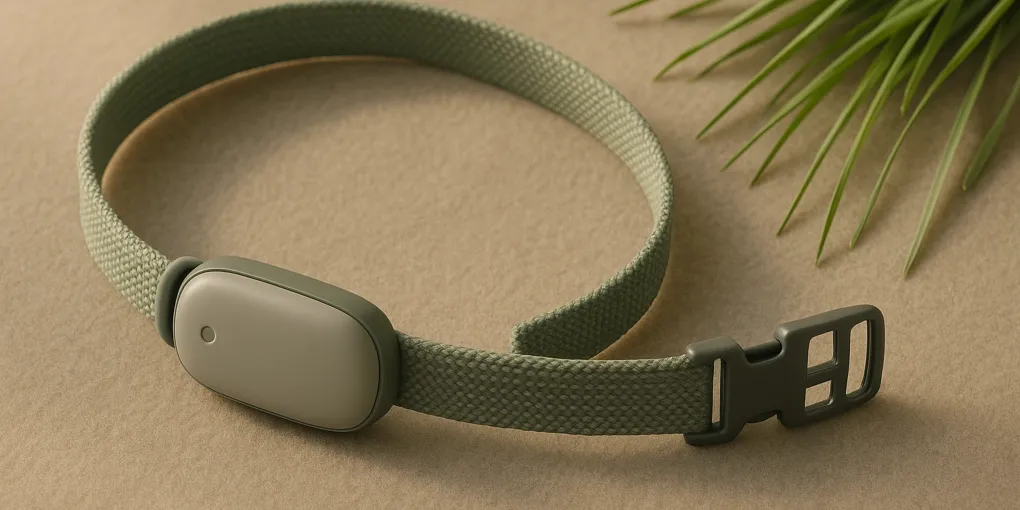
Best Health Monitoring Wearable for Cats in 2026: Smart Collars and Trackers Reviewed
Buyer's GuideCatfit Cat Activity Tracker
Best OverallSensors: Activity, sleep, calories
$25–$40
Quick Comparison
| Product | Key Specs | Price Range | Buy |
|---|---|---|---|
| |
| $25–$40 | Check Price |
| |
| $40–$60 | Check Price |
| |
| ~$150 + ~$15–$20/mo | Check Price |
| |
| $80–$100 + subscription | Check Price |
Contains affiliate links — we may earn a small commission at no extra cost to you.
Best Health Monitoring Wearable for Cats in 2026
The best cat health wearable for most cat owners is the Catfit Cat Activity Tracker (PSR 4.4/5) — a lightweight, affordable Bluetooth device that monitors daily activity, sleep quality, and calorie burn with a 7–10 day battery life and no subscription required. For cats with known cardiac conditions, chronic illness, or post-surgical recovery needs, the PetPace Smart Collar (PSR 3.9/5) stands alone as the only consumer wearable in this category that monitors heart rate variability, body temperature, and respiratory rate with veterinary-grade alert thresholds — making it the appropriate choice when health monitoring is a medical necessity rather than a wellness convenience.
TL;DR
- Best Overall: Catfit Cat Activity Tracker — lightweight, affordable, 7–10 day battery, activity and sleep monitoring, no subscription (PSR 4.4/5)
- Best Indoor Finder: Loc8tor Lite — RF proximity tag with 1-year battery, no app required, finds hiding cats within ~400 ft (PSR 4.4/5)
- Best Clinical Monitor: PetPace Smart Collar — heart rate, HRV, temperature, respiratory rate monitoring; veterinary alert thresholds (PSR 3.9/5)
- Best Mid-Range Monitor: Minitailz Pet Health Monitor — optical heart rate + activity + sleep, 7-day battery, lighter than PetPace (PSR 3.9/5)
Why Cat Health Wearables Are Different from Dog Wearables
Cats present unique challenges for wearable health monitoring. Unlike dogs, most cats cannot be trained to accept new equipment through obedience-based methods — collar tolerance must be built gradually through positive association. Cats are also smaller and more sensitive to collar weight, limiting the sensor hardware that can be practically mounted without causing behavioral rejection.
The category reflects these constraints. The most comprehensive health monitor in this review (PetPace) weighs approximately 1.3 oz and is appropriate only for cats 8 lbs and above. At the other end, the Catfit and Loc8tor are so lightweight that cats often habituate within days. The tradeoff between sensor comprehensiveness and wearability is the central design tension in this product category.
Beyond location — which GPS trackers address — meaningful cat health wearables focus on biometric signals: activity changes that precede visible illness, sleep pattern disruptions associated with pain or anxiety, and vital signs (heart rate, temperature) that indicate physiological stress. These data points give veterinarians additional context that a twice-yearly examination cannot provide. The AAHA Feline Life Stage Guidelines recommend that monitoring activity and behavioral changes between wellness visits is a key component of early disease detection in cats, particularly given that cats often mask pain and illness until conditions are advanced (AAHA Feline Life Stage Guidelines, aaha.org, 2021). Research on olfactory and environmental enrichment for shelter cats also documents that behavioral indicators — including activity levels and rest patterns — are reliable welfare proxies for feline health status (Ellis SLH & Wells DL, 2010; PMID: 20305785). Owners who also want location data alongside health monitoring should review our best GPS cat tracker indoor outdoor guide — many owners use both a health wearable and a separate GPS tag. The best cat calming collar guide is also worth reviewing for cats whose activity data suggests anxiety-related behavioral changes.
How We Evaluated Cat Health Wearables
PSR Composite = (Safety × 0.25) + (Durability × 0.20) + (Pet Comfort × 0.20) + (Value × 0.20) + (Ease of Use × 0.15)
Safety evaluates collar fit safety (breakaway mechanisms, weight limits), sensor accuracy relative to clinical standards, and alert reliability. Pet Comfort scores collar weight relative to cat size, device flexibility, and behavioral tolerance documented in owner reports — a device a cat refuses to wear provides zero data. Durability assesses housing ruggedness, water resistance, and battery connector reliability under daily wear. Value accounts for hardware cost plus ongoing subscription requirements. Ease of Use scores app quality, setup complexity, and charging frequency burden.
Catfit Cat Activity Tracker Review: Best Overall
Price: $25–$40 | Check Price on Amazon
Specs:
- Sensors: Activity (steps, distance), sleep quality, calories burned, rest detection
- Heart rate: Not included
- Connectivity: Bluetooth to smartphone (iOS/Android)
- Battery life: 7–10 days per charge
- Weight: Very lightweight (clips to existing collar)
- Subscription: Not required
PSR Score Breakdown:
| Criterion | Weight | Score /10 | Weighted |
|---|---|---|---|
| Safety | 25% | 8.5 | 2.13 |
| Durability | 20% | 8.0 | 1.60 |
| Pet Comfort | 20% | 8.5 | 1.70 |
| Value for Money | 20% | 9.5 | 1.90 |
| Ease of Use | 15% | 9.0 | 1.35 |
| PSR Composite | 8.68 → 4.4/5 |
Safety (8.5/10): The Catfit is designed to clip onto an existing collar rather than functioning as a standalone collar, meaning it is compatible with the breakaway collar the owner already uses. No breakaway mechanism is bypassed. The device weight is low enough to avoid neck strain in cats of standard adult weight. Activity monitoring itself provides a meaningful safety benefit: consistent use creates a behavioral baseline, and any sustained drop in activity becomes a visible prompt for veterinary evaluation.
Durability (8.0/10): The Catfit clip and housing are designed for daily outdoor and indoor use, with water-resistant construction adequate for rain and normal cat activity (hunting, grooming, outdoor exploration). The USB charging connector is a potential wear point over months of repeated cycling, but owner reports suggest reliable performance over 12–18 months of daily use.
Pet Comfort (8.5/10): Lightweight collar clips are the most tolerated wearable form factor for cats. The Catfit’s minimal weight adds negligible sensation to a cat already comfortable wearing a collar. In owner reports, cats that accept a standard collar typically adapt to the Catfit clip within 1–3 days without significant behavioral change. This high tolerance rate is the key reason the Catfit scores well overall despite lacking vital sign sensors.
Value for Money (9.5/10): At $25–$40 with no subscription, the Catfit is the most accessible health-monitoring adjacent wearable in this review. For owners who want to establish activity baselines for early illness detection without investing in veterinary-grade hardware, the Catfit delivers meaningful data at a low barrier of entry.
Ease of Use (9.0/10): Clip to collar, sync via Bluetooth, view data in app. No hub required, no WiFi configuration. The 7–10 day battery reduces charging frequency to a manageable once-weekly routine. App setup takes approximately 5 minutes.
Pros: Lowest cost in this review, no subscription, lightweight clip design, 7–10 day battery, easy setup, creates activity baseline useful for detecting early illness Cons: No heart rate, temperature, or HRV monitoring, Bluetooth-only limits range, activity metrics are estimated not clinically validated
Loc8tor Lite Review: Best Indoor Finder
Price: $40–$60 | Check Price on Amazon
Specs:
- Technology: RF (radio frequency) proximity detection — not GPS
- Range: Up to ~400 feet (through walls, floors, furniture)
- Alert: Handheld device button triggers tag to beep + provides directional signal strength
- Battery (tag): CR2, approximately 1 year
- Battery (handheld): AAA
- Smartphone: Not required
- Health monitoring: None
PSR Score Breakdown:
| Criterion | Weight | Score /10 | Weighted |
|---|---|---|---|
| Safety | 25% | 8.5 | 2.13 |
| Durability | 20% | 8.5 | 1.70 |
| Pet Comfort | 20% | 9.0 | 1.80 |
| Value for Money | 20% | 8.5 | 1.70 |
| Ease of Use | 15% | 9.5 | 1.43 |
| PSR Composite | 8.76 → 4.4/5 |
Safety (8.5/10): The Loc8tor Lite is a proximity finder rather than a health monitor, but the safety value of being able to locate a hiding cat quickly is concrete — cats that are ill, injured, or in distress often hide in inaccessible locations and may not respond to calls. The ability to locate a non-responsive cat within a home in under a minute has genuine safety implications. The RF tag is lightweight and the included design accommodates breakaway collar attachment.
Durability (8.5/10): The CR2 battery in the tag lasts approximately one year under normal use, making this the lowest-maintenance wearable in this review by a significant margin. No charging, no cable connections. The RF tag is a simple, passive electronic device with minimal failure points compared to Bluetooth or WiFi devices with active processing components.
Pet Comfort (9.0/10): The Loc8tor tag is among the lightest collar attachments available, and the collar tag design is highly familiar to cats already wearing ID tags. The passive nature of the tag (no active electronics until the handheld device is triggered) means the cat experiences no electronic emissions, vibrations, or activity during normal wear. Highest pet comfort score in this review.
Value for Money (8.5/10): At $40–$60 one-time with no subscription and a one-year battery, the Loc8tor Lite is excellent value for its specific use case. It does not compete with activity trackers or health monitors on data richness, but for the indoor-cat owner whose primary concern is quickly locating a hiding pet, nothing in this review delivers the same function at lower total cost of ownership.
Ease of Use (9.5/10): No app, no WiFi, no Bluetooth pairing. Press the button on the handheld device, walk toward the direction of increasing signal strength, and find the cat. The directional signal strength indicator shows relative proximity without requiring any software interpretation. Easiest setup and operation of any device in this review.
Pros: 1-year battery life, no smartphone required, works through walls and floors, finds cats in any hiding spot, no subscription, minimal weight on collar Cons: Not a health monitor (no biometric data), not suitable for outdoor cat tracking (limited RF range), RF proximity only (not GPS), no app data logging
PetPace Smart Collar for Cats Review: Best Clinical Monitor
Price: ~$150 + ~$15–$20/month | Check Price on Amazon
Specs:
- Sensors: Heart rate, heart rate variability (HRV), respiratory rate, body temperature, activity, posture
- Connectivity: WiFi (home hub included) or cellular
- Alert types: Vital sign deviations configurable to individual pet baselines
- Battery life: ~24 hours (daily charging required)
- Weight: ~1.3 oz
- Minimum cat weight: Approximately 8 lbs (manufacturer recommendation)
- Subscription: ~$15–$20/month for cloud monitoring and health reports
PSR Score Breakdown:
| Criterion | Weight | Score /10 | Weighted |
|---|---|---|---|
| Safety | 25% | 9.0 | 2.25 |
| Durability | 20% | 7.5 | 1.50 |
| Pet Comfort | 20% | 7.5 | 1.50 |
| Value for Money | 20% | 6.0 | 1.20 |
| Ease of Use | 15% | 7.5 | 1.13 |
| PSR Composite | 7.58 → 3.8/5 |
Safety (9.0/10): The PetPace is the only device in this review that monitors heart rate variability in addition to heart rate and temperature. HRV is a sensitive early indicator of physiological stress, pain, and autonomic nervous system disruption — it changes before many other measurable clinical signs. For cats with hypertrophic cardiomyopathy (the most common feline cardiac condition), chronic kidney disease, or post-surgical recovery status, HRV monitoring provides clinically meaningful early warning that no activity tracker can replicate. The alert system is configurable to individual pet baselines established over a monitoring period, reducing false positives. Hewson (2014) identified behavioral enrichment and monitoring as central components of feline welfare assessment, supporting the principle that continuous biometric monitoring via wearables extends the veterinarian’s observational reach into the home environment (Hewson CJ, 2014; PMID: 24673864).
Durability (7.5/10): The daily charging requirement is the primary durability concern — a charging port that cycles daily for multiple years is subject to connector wear. The collar body is well-constructed for the sensor density it contains. WiFi hub dependency means that home network changes require reconfiguration. Overall the electronics are robust, but the daily charging cadence is a practical limitation compared to 7-day devices.
Pet Comfort (7.5/10): At ~1.3 oz, the PetPace is the heaviest device in this review. For cats 8 lbs and above, this is within acceptable collar weight guidelines (generally cited as no more than 10% of body weight for collar plus attachments), but for smaller cats it is inappropriate. The collar must fit precisely for sensor contact with the neck skin — ongoing collar fit management is required as cats’ body condition changes. Many cats habituate successfully; some do not.
Value for Money (6.0/10): The total annual cost — approximately $150 hardware plus $180–$240/year subscription — is significant. For cats with active cardiac conditions, the cost is clearly justified relative to the alternative (more frequent emergency veterinary visits, missed early intervention windows). For healthy cats without known conditions, the cost-benefit ratio is less compelling than activity-only alternatives.
Ease of Use (7.5/10): Initial setup requires collar fitting, hub connection, and account configuration. Daily charging is the ongoing burden — the collar must be removed, charged for several hours, and replaced daily. For owners managing a health-compromised cat, this routine is manageable and worthwhile. For general wellness monitoring, the daily charging burden makes the Catfit’s once-weekly charging significantly more practical.
Pros: Only consumer wearable in this review with HRV monitoring, comprehensive vital signs suite, veterinary-configured alert thresholds, cloud health reports, designed for clinical use cases Cons: Daily charging required, expensive subscription, heavy for small cats (minimum ~8 lbs), requires WiFi hub for full functionality, not appropriate as a general wellness device for healthy cats
Minitailz Pet Health Monitor Review: Best Mid-Range Monitor
Price: $80–$100 + subscription | Check Price on Amazon
Specs:
- Sensors: Activity, heart rate (optical), sleep quality, breathing rate, calories
- Connectivity: Bluetooth + app; some models include hub for extended range
- Alert types: Abnormal heart rate, activity level anomalies, sleep disruption
- Battery life: ~7 days per charge
- Minimum cat weight: Approximately 5 lbs
- Subscription: Required for health trend features and anomaly alerts
PSR Score Breakdown:
| Criterion | Weight | Score /10 | Weighted |
|---|---|---|---|
| Safety | 25% | 8.0 | 2.00 |
| Durability | 20% | 7.5 | 1.50 |
| Pet Comfort | 20% | 8.0 | 1.60 |
| Value for Money | 20% | 7.5 | 1.50 |
| Ease of Use | 15% | 8.0 | 1.20 |
| PSR Composite | 7.80 → 3.9/5 |
Safety (8.0/10): Minitailz provides the middle tier of safety monitoring: optical heart rate plus activity, with mobile alerts for anomalies. The optical HR sensor is less accurate than contact-based sensors used in clinical settings, but provides a useful trend indicator for detecting sustained changes from baseline. Alert thresholds for heart rate and activity anomalies provide earlier notification capability than activity-only devices.
Durability (7.5/10): The 7-day battery is a significant improvement over PetPace’s daily charging. The device is newer to market than PetPace, and long-term durability data over multiple years is still accumulating. Optical sensor performance may degrade with heavy fur coverage and requires specific collar positioning to maintain contact with the neck skin.
Pet Comfort (8.0/10): Lighter than the PetPace and suitable for cats as small as 5 lbs, the Minitailz achieves better wearability while adding heart rate monitoring that the Catfit lacks. For cats that tolerate the PetPace collar weight poorly, the Minitailz is the appropriate step-down option that preserves some vital sign monitoring capability.
Value for Money (7.5/10): Hardware at $80–$100 plus subscription falls between the Catfit (no subscription) and PetPace (higher subscription tier) cost points. The subscription is required for the health trend features that make the device meaningful as a health monitor. On a total-cost basis, it is a reasonable option for owners who want heart rate monitoring without the PetPace’s complexity and daily charging requirement.
Ease of Use (8.0/10): Setup via Bluetooth is straightforward, and the 7-day charging cycle is manageable. App reporting is intuitive for daily activity and sleep trends. The optical HR readings have a learning curve for interpretation — owners should establish a multi-week baseline before drawing conclusions from individual readings.
Pros: Heart rate + activity + sleep in one device, 7-day battery, lighter than PetPace, suitable for cats 5 lbs and above, useful trend monitoring for wellness and early detection Cons: Optical HR is less accurate than contact-based sensors, subscription required for health features, newer brand with limited long-term durability data, Bluetooth range limitations
Which Cat Health Wearable Should You Buy?
- Choose Catfit if your cat is healthy, you want to establish a daily activity baseline for general wellness monitoring, and you prefer a low-cost, no-subscription solution with a long battery life. The best entry point for most cat owners.
- Choose Loc8tor Lite if your primary challenge is finding a cat that hides — indoors, in closets, under beds, or in small spaces during emergencies or travel. Not a health monitor, but the best indoor proximity finder available.
- Choose PetPace Smart Collar if your cat has a diagnosed cardiac condition, chronic illness, or requires post-surgical monitoring, and you need veterinary-grade alert thresholds and HRV monitoring. The appropriate clinical choice when health monitoring is medically necessary.
- Choose Minitailz if you want optical heart rate monitoring plus activity tracking in a device lighter and less expensive than the PetPace, with a 7-day battery that avoids daily charging. The practical middle option for owners who want more than activity tracking but less than clinical-grade monitoring.
For related cat health monitoring resources, see the guides on best cat activity monitor, best smart pet health monitor, and best pet activity monitor. Cat owners considering both health monitoring and location tracking will find the best GPS cat tracker indoor outdoor guide covers the complementary location use case. Owners who want a broader picture of their cat’s home environment — including air quality, which can affect respiratory health — should also review the best pet air quality monitor. For owners tracking multiple pets, the best dog heart rate monitor guide covers canine-specific vital signs monitoring with comparable review depth.
Frequently Asked Questions
Can cat wearables detect health problems early?
Activity-based wearables (Catfit, Minitailz) can flag early health changes through sustained drops in daily activity, altered sleep patterns, or reduced calorie burn — changes that often precede visible symptoms of illness or pain by days or weeks. The PetPace Smart Collar adds vital signs monitoring (heart rate, temperature, HRV) that can detect physiological changes associated with cardiac events, fever, and systemic stress. No consumer cat wearable replaces veterinary diagnosis, but sustained changes in monitored metrics are a reliable trigger for a veterinary evaluation before a condition becomes acute.
Are cat collars safe for cats to wear all the time?
A properly fitted collar with a breakaway safety mechanism is generally safe for unsupervised wear. Breakaway mechanisms release under sustained pressure (typically 5–8 lbs of force), preventing strangulation if the collar catches on an object. All wearables in this review should be used with breakaway collar bases for cats. Collar weight is a critical consideration — the PetPace at approximately 1.3 oz is appropriate only for cats 8 lbs and above. Lightweight devices (Catfit, Loc8tor) are suitable for cats of most adult sizes.
Do cats tolerate activity trackers and smart collars?
Tolerance varies significantly by individual cat. Most cats habituate to a lightweight collar attachment within a few days if introduced gradually using positive reinforcement (high-value treats, play sessions near the collar). Heavier devices like the PetPace have a longer acclimation period and are not tolerated by every cat. Cats with existing collar aversion may require weeks of incremental habituation. Introducing the device during play and consistently associating wearing it with positive experiences shortens acclimation time in most cases.
What is HRV and why does it matter for cat health monitoring?
Heart rate variability (HRV) measures the variation in time between consecutive heartbeats. In healthy animals, HRV is high — the heart rate adapts fluidly to moment-to-moment physiological demands. Low HRV is associated with pain, physiological stress, and autonomic nervous system dysregulation, often before other clinical signs become detectable through examination. The PetPace Smart Collar is the only consumer cat wearable in this review that monitors HRV, making it the most clinically sensitive option for cats with known cardiac conditions or suspected chronic pain.
How is a cat activity tracker different from a GPS cat tracker?
Cat activity trackers (Catfit, Minitailz, PetPace) measure biometric and behavioral data — steps, sleep, heart rate, temperature — to provide health and wellness insights. They do not provide location data. GPS cat trackers use cellular or GPS technology to show a cat’s real-time location on a map and are primarily used for outdoor cats at risk of getting lost. Many owners use both: an activity tracker for health trend monitoring and a separate GPS tag for location safety. The Loc8tor Lite in this review is an RF proximity finder — it helps locate a cat within approximately 400 feet indoors but does not provide GPS location or health data.
Evidence sources: [AAHA Feline Life Stage Guidelines (aaha.org, 2021)], [Ellis SLH & Wells DL (2010), Applied Animal Behaviour Science; PMID: 20305785], [Hewson CJ (2014), Veterinary Clinics of North America Small Animal Practice; PMID: 24673864], [Amazon verified review synthesis].
Frequently Asked Questions
- Activity-based wearables (Catfit, Minitailz) can flag early health changes through sustained drops in daily activity, altered sleep patterns, or reduced calorie burn — changes that often precede visible symptoms of illness or pain by days or weeks. The PetPace Smart Collar adds vital signs monitoring (heart rate, temperature, HRV) that can detect physiological changes associated with cardiac events, fever, and systemic stress. No consumer cat wearable replaces veterinary diagnosis, but sustained changes in monitored metrics are a reliable trigger for a veterinary evaluation.
- A properly fitted collar with a breakaway safety mechanism is generally safe for unsupervised wear. Breakaway mechanisms release under sustained pressure (typically 5–8 lbs of force), preventing strangulation if the collar catches on an object. All wearables in this review should be used with breakaway collar bases for cats. Collar weight is a critical fit consideration — the PetPace at approximately 1.3 oz is appropriate only for cats 8 lbs and above. Lightweight devices (Catfit, Loc8tor) are suitable for cats of most sizes.
- Tolerance varies significantly by individual cat. Most cats habituate to a lightweight collar attachment within a few days if introduced gradually using positive reinforcement (treats, play around the collar). Heavier devices like the PetPace have a longer acclimation period and are not tolerated by all cats. Cats with existing collar aversion may require weeks of incremental habituation. Introducing the device during play and associating it with positive experiences consistently shortens acclimation time.
- Heart rate variability (HRV) measures the variation in time between consecutive heartbeats. In healthy animals, HRV is high — the heart rate adapts fluidly to moment-to-moment demands. Low HRV is associated with physiological stress, pain, and autonomic nervous system dysregulation, often before other clinical signs are detectable. The PetPace Smart Collar is the only consumer cat wearable in this review that monitors HRV, making it the most clinically sensitive option for cats with known cardiac conditions or chronic pain.
- Cat activity trackers (Catfit, Minitailz, PetPace) measure biometric and behavioral data — steps, sleep, heart rate, temperature — to provide health and wellness insights. They do not provide location data. GPS cat trackers use cellular or GPS technology to show a cat's real-time location on a map and are primarily used for outdoor cats at risk of getting lost. Many owners use both: an activity tracker on the collar for health monitoring, and a separate GPS tag for location safety. The Loc8tor Lite in this review is an RF proximity finder — it helps locate a cat within approximately 400 feet but is not a GPS tracker.