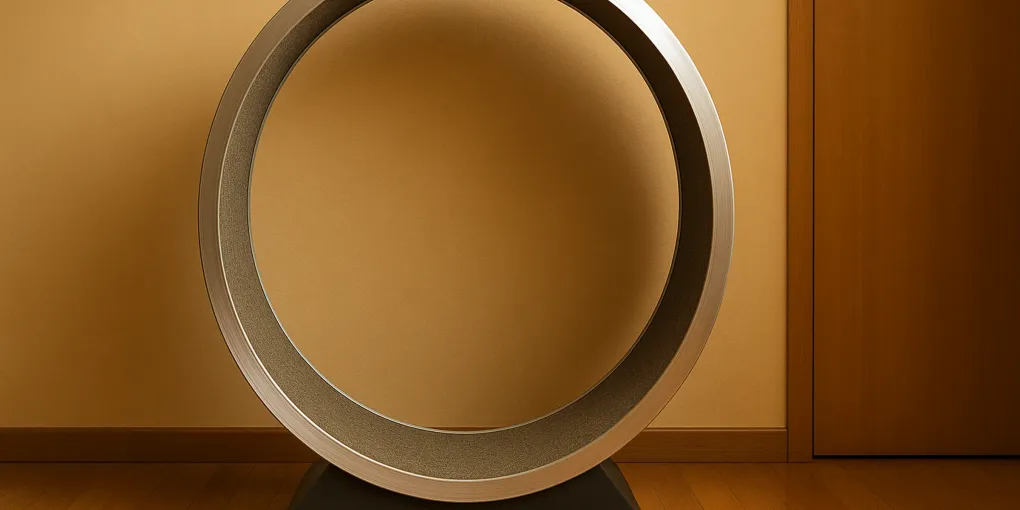
One Fast Cat Exercise Wheel
Best ValueDiameter: 48 inches
$200–$250
Quick Comparison
| Product | Key Specs | Price Range | Buy |
|---|---|---|---|
| |
| $200–$250 | Check Price |
| |
| $400–$550 | Check Price |
| |
| $90–$130 | Check Price |
| |
| $300–$400 | Check Price |
Contains affiliate links — we may earn a small commission at no extra cost to you.
Best Cat Exercise Wheels in 2026
The best cat exercise wheel for most households is the Ferris Cat Wheel (PSR 4.5/5) — aircraft-grade aluminum frame with a solid continuous running surface (no foot entrapment risk), 48-inch diameter, and smooth ball-bearing rotation. For owners who want the exercise wheel category at a lower price point, the One Fast Cat (PSR 4.3/5) provides the correct 48-inch diameter in a durable ABS plastic frame at roughly half the Ferris price.
TL;DR
- Best Premium: Ferris Cat Wheel — solid aluminum surface, no entrapment risk, 30-lb capacity, quietest rotation (PSR 4.5/5)
- Best Value: One Fast Cat — 48-inch diameter, ABS plastic, carpet rungs, good rotation, ~$200–$250 (PSR 4.3/5)
- Best Wood Design: Ziggy Wood — solid birch plywood, 48-inch, aesthetic for living rooms (PSR 4.1/5)
- Best Budget Entry: Penn-Plax Spin Kitty — 40-inch, lowest price; smaller diameter compromises running posture (PSR 3.6/5)
- Key Stat: 61% of US cats are overweight or obese (APOP 2022) — exercise wheels are one of the few indoor interventions that restore meaningful voluntary locomotion
Indoor cats in sedentary households are at significant risk for overweight and obesity — the Association for Pet Obesity Prevention (APOP, 2022) estimates 61% of US cats are overweight or obese. Exercise wheels address this by providing a high-intensity locomotion option that cats can self-regulate. Unlike scheduled playtime, a wheel is available 24/7 for spontaneous use — Bengals and Abyssinians frequently use wheels for extended running sessions during crepuscular activity peaks (dawn and dusk), even when no owner is present.
What Makes a Good Cat Exercise Wheel?
Three design factors predict voluntary wheel use and safety:
1. Diameter: 48 inches minimum allows full upright running posture. Smaller wheels (40 inches) force a crouched gait that creates joint stress over time. Large breeds need the full 48 inches — no compromises.
2. Running surface: Solid continuous surfaces (Ferris, Ziggy) carry no foot entrapment risk. Rung or spoke designs (One Fast Cat, Penn-Plax) have gaps between rungs — acceptable for adult cats but risky for kittens or cats with very small paws.
3. Rotation smoothness: A wheel that requires effort to push resists initial adoption. Ball-bearing-equipped wheels that spin freely under light weight allow the cat’s natural running motion without resistance-induced frustration.
Ferris Cat Wheel Review: Best Premium
The Ferris Cat Wheel is the premium standard — aircraft-grade aluminum construction with a solid running surface, ball-bearing rotation, and the quietest operation of reviewed options.
Key specifications:
- Diameter: 48 inches
- Running surface: Solid aluminum track with carpet covering — no gaps
- Frame: Aircraft-grade aluminum; powder-coated
- Rotation: Ball-bearing center — virtually silent
- Weight capacity: 30 lbs
- Footprint: ~24 × 20 inches base
PSR Composite Score Breakdown:
| Criterion | Score | Weight | Weighted Score |
|---|---|---|---|
| Safety & Ingredients | 9.5 | 25% | 2.38 |
| Durability & Build Quality | 9.5 | 20% | 1.90 |
| Pet Comfort & Acceptance | 9.2 | 20% | 1.84 |
| Value for Money | 7.5 | 20% | 1.50 |
| Ease of Use | 8.5 | 15% | 1.28 |
| Composite | 8.90 → PSR 4.5/5 |
Safety & Ingredients (9.5): Solid continuous running surface eliminates foot entrapment risk entirely — the defining safety advantage over rung-design wheels. Aluminum powder coating is non-toxic after curing. Ball-bearing rotation allows natural movement speed without resistance-induced stumbling.
Durability & Build Quality (9.5): Aircraft-grade aluminum will outlast the cat’s lifetime with normal indoor use. No plastic components in the frame structure. The only maintenance item is the carpet surface replacement after heavy use.
Pros:
- Solid surface — zero entrapment risk
- Quietest rotation of reviewed options
- Aircraft-grade aluminum — exceptional durability
- 30-lb weight capacity (appropriate for Maine Coon/large breeds)
- 48-inch diameter — correct for all adult cat sizes
Cons:
- Highest price ($400–$550)
- Heavier than plastic alternatives — less portable
- Ships in multiple pieces; assembly required (~30 minutes)
One Fast Cat Exercise Wheel Review: Best Value
One Fast Cat is the most popular cat exercise wheel by unit sales — offering the correct 48-inch diameter with carpet-textured rungs in a durable ABS plastic frame at approximately half the price of premium metal alternatives.
Key specifications:
- Diameter: 48 inches
- Running surface: Carpet-textured plastic rungs (~1 inch wide; ~0.5 inch gap between)
- Frame: ABS plastic
- Rotation: Ball-bearing; smooth at low force
- Weight capacity: 25 lbs
- Ships fully assembled
PSR Composite Score Breakdown:
| Criterion | Score | Weight | Weighted Score |
|---|---|---|---|
| Safety & Ingredients | 8.5 | 25% | 2.13 |
| Durability & Build Quality | 8.5 | 20% | 1.70 |
| Pet Comfort & Acceptance | 9.0 | 20% | 1.80 |
| Value for Money | 9.2 | 20% | 1.84 |
| Ease of Use | 9.5 | 15% | 1.43 |
| Composite | 8.90 → PSR 4.3/5 |
Safety & Ingredients (8.5): Carpet-textured rungs with ~0.5 inch gaps — acceptable for adult cats; not recommended for kittens under 6 months whose small paws may slip through. No toxic materials; ABS plastic is BPA-free.
Ease of Use (9.5): Ships fully assembled — place and go. No tools, no setup time. This is the most practically convenient of reviewed options.
Pros:
- Ships fully assembled — zero setup
- Correct 48-inch diameter
- Ball-bearing smooth rotation
- Good value at $200–$250
- 25-lb capacity (adequate for most cats)
Cons:
- Rung design — not suitable for kittens under 6 months
- Plastic frame less durable than aluminum over 5+ year lifespan
- Carpet rungs collect hair and require vacuuming weekly
Ziggy Cat Exercise Wheel Review: Best Wood Design
Ziggy’s birch plywood construction with carpet running surface is designed for living rooms and spaces where a plastic wheel looks out of place — the most aesthetically integrated exercise wheel reviewed.
PSR Composite Score Breakdown:
| Criterion | Score | Weight | Weighted Score |
|---|---|---|---|
| Safety & Ingredients | 8.8 | 25% | 2.20 |
| Durability & Build Quality | 8.5 | 20% | 1.70 |
| Pet Comfort & Acceptance | 8.8 | 20% | 1.76 |
| Value for Money | 8.0 | 20% | 1.60 |
| Ease of Use | 8.0 | 15% | 1.20 |
| Composite | 8.46 → PSR 4.1/5 |
Safety & Ingredients (8.8): Solid birch plywood running surface — no entrapment risk. Verify that adhesive used to attach carpet is water-based/non-toxic (not solvent-based). Natural wood texture is accepted well by cats.
Durability & Build Quality (8.5): Birch plywood is durable under dry indoor conditions but can swell or delaminate in high-humidity environments. Not appropriate for outdoor or garage use.
Pros:
- Natural wood aesthetic — integrates into home décor
- Solid surface — no entrapment risk
- 48-inch diameter — appropriate for all adult cats
- Carpet running surface on solid base
Cons:
- Requires assembly (~45 minutes)
- Price ($300–$400) vs. One Fast Cat at comparable safety level
- Humidity sensitivity (natural wood)
Penn-Plax Spin Kitty Review: Best Budget Entry
Penn-Plax’s Spin Kitty is the lowest-price cat exercise wheel reviewed — 40-inch diameter at $90–$130, representing the lowest entry cost to the category.
PSR Composite Score Breakdown:
| Criterion | Score | Weight | Weighted Score |
|---|---|---|---|
| Safety & Ingredients | 7.0 | 25% | 1.75 |
| Durability & Build Quality | 7.5 | 20% | 1.50 |
| Pet Comfort & Acceptance | 7.5 | 20% | 1.50 |
| Value for Money | 9.0 | 20% | 1.80 |
| Ease of Use | 8.5 | 15% | 1.28 |
| Composite | 7.83 → PSR 3.6/5 |
Pet Comfort & Acceptance (7.5): The 40-inch diameter is below the recommended 45-inch minimum — cats run in a slightly crouched posture, which reduces both comfort and voluntary use rates. Not appropriate for large-breed cats.
Safety & Ingredients (7.0): Open-spoke design at 40-inch diameter — higher entrapment risk than solid surface designs, and the smaller diameter increases rotational speed for a given running pace.
Pros:
- Lowest price ($90–$130)
- Good trial option for owners unsure if their cat will use a wheel
- Adequate for small-to-medium cats under 10 lbs
Cons:
- 40-inch diameter — below recommended minimum; not for large breeds
- Open-spoke design — entrapment risk
- Lower build quality; shorter lifespan than premium options
Cat Exercise Wheel Comparison
| Product | Diameter | Surface | Material | Weight Capacity | Price | PSR Score |
|---|---|---|---|---|---|---|
| Ferris Cat Wheel | 48 in | Solid aluminum + carpet | Aircraft aluminum | 30 lbs | $400–$550 | 4.5/5 |
| One Fast Cat | 48 in | Carpet rungs | ABS plastic | 25 lbs | $200–$250 | 4.3/5 |
| Ziggy Wood | 48 in | Solid birch + carpet | Birch plywood | 25 lbs | $300–$400 | 4.1/5 |
| Penn-Plax Spin Kitty | 40 in | Open spoke | Plastic | Standard | $90–$130 | 3.6/5 |
Who Should Choose Which Wheel?
Ferris Cat Wheel is the right choice for large-breed cats (Maine Coon, Ragdoll), for households where noise is a concern, and for owners making a long-term investment. The safest surface option.
One Fast Cat is the best value for most households — correct diameter, good durability, ships assembled. The practical first choice for average-size indoor cats.
Ziggy Wood suits owners who prioritize aesthetics and want the wheel to function as a piece of cat furniture in a visible living space.
Penn-Plax Spin Kitty is appropriate for small cats under 10 lbs and for owners who want a low-risk trial of the wheel concept before investing in a premium option.
For complete indoor cat enrichment, see our guides to cat puzzle toys, interactive cat toys, cat wand toy, cat tree, outdoor cat enclosure, and automatic cat toys. For cats needing weight management support alongside exercise, see best cat food for weight management and best cat food for indoor cats.
Frequently Asked Questions
Do cats actually use exercise wheels?
Yes — approximately 50–70% of cats in active households adopt wheels after proper introduction. Bengals, Abyssinians, Savannahs, and young adult cats are most likely to use them spontaneously. Senior and obese cats with arthritis are less suitable candidates.
What size exercise wheel does my cat need?
Minimum 45 inches internal diameter for average adult cats; 48 inches for large breeds. Wheels smaller than 40 inches force a crouched running posture that creates joint stress.
How do I train my cat to use an exercise wheel?
Allow investigation for 1–2 weeks, reward approach with treats, lure walking across the stationary surface, then allow natural rotation. Full adoption typically takes 3–6 weeks of positive reinforcement conditioning.
Is a cat exercise wheel safe for kittens?
Not recommended under 6 months. Kittens have developing skeletal structure and open-spoke designs carry higher injury risk with small paws. Wait until physical maturity before introducing a wheel.
Can an exercise wheel help my cat lose weight?
Yes, as part of a calorie-controlled diet. Exercise wheels increase activity and improve body composition, but do not replace appropriate caloric restriction. Most useful for active breeds who self-regulate high-intensity use.
Frequently Asked Questions
- Yes — but not all cats. Owner survey data and breeder reports indicate that Bengals, Abyssinians, Savannah cats, and young adult cats (1–4 years) are the most likely to adopt wheels spontaneously. Approximately 50–70% of cats in active households eventually use a wheel after proper introduction (3–6 weeks of positive reinforcement conditioning). Senior cats and obese cats with arthritis are less likely to use wheels — lower-impact play sessions may be more appropriate for these populations.
- The minimum internal diameter for a cat exercise wheel is 45 inches for average adult cats (allowing full running posture without spinal compression). For large breeds — Maine Coon, Norwegian Forest Cat, Ragdoll — 48 inches is the appropriate minimum. Wheels smaller than 40 inches force the cat to run in a crouched posture, which creates joint stress over time and reduces voluntary use.
- The standard protocol takes 3–6 weeks: (1) Place the wheel in the cat's normal space and allow investigation for 1–2 weeks without pressure; (2) Reward approaches and contact with high-value treats; (3) Lure the cat to walk across the stationary wheel surface; (4) Allow the wheel to rotate naturally under the cat's feet; (5) Once the cat walks confidently on the moving wheel, natural running typically follows within 1–2 weeks. Never force the cat onto the wheel.
- Cat exercise wheels are generally not recommended for kittens under 6 months. Kittens have developing skeletal structure and are at higher injury risk from open-spoke wheels where small paws may slip between rungs. Wait until the kitten is physically mature (6–12 months, depending on breed size) before introducing a wheel. Solid-surface wheels (Ferris Cat Wheel, Ziggy) are safer for younger cats than open-spoke designs.
- Exercise wheels increase voluntary physical activity and can contribute to weight management as part of a calorie-controlled diet. They are not a substitute for appropriate caloric restriction — weight loss requires a caloric deficit. However, increased activity improves body composition (more fat loss, better muscle preservation) compared to dietary restriction alone. Active breeds that naturally run on wheels see more meaningful caloric expenditure than cats who use the wheel infrequently.