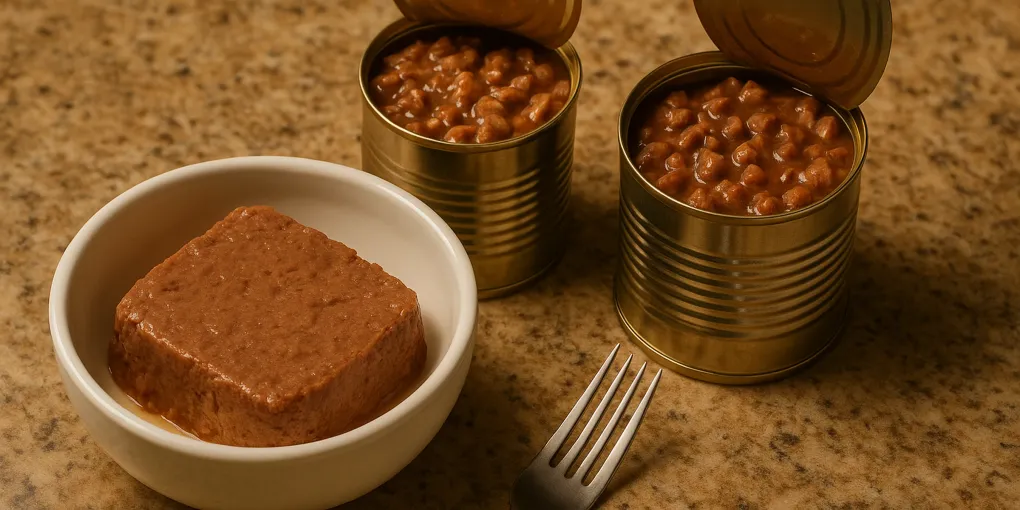
Purina Pro Plan Adult Classic Ground Entree (Chicken & Rice)
Best OverallAAFCO statement: Complete and balanced for adult maintenance
$2.50–$3.50 per 13 oz can
Quick Comparison
| Product | Key Specs | Price Range | Buy |
|---|---|---|---|
| |
| $2.50–$3.50 per 13 oz can | Check Price |
| |
| $3.00–$4.00 per 12.8 oz can | Check Price |
| |
| $3.50–$4.50 per 13.5 oz can | Check Price |
| |
| $2.50–$3.50 per 12.7 oz can | Check Price |
Contains affiliate links — we may earn a small commission at no extra cost to you.
Best Wet Dog Food for Adults in 2026: High-Palatability, High-Moisture Picks
Wet dog food serves multiple roles in a dog’s diet — complete nutrition, hydration support, palatability enhancement, and easy feeding for dogs with dental challenges. Understanding when and why to use wet food helps owners make better decisions than simply defaulting to one format.
Purina Pro Plan Adult Classic Ground Entree (PSR 8.4/10) leads our rankings as the most palatable, widely available, and nutritionally complete wet food for adult dogs. Hill’s Science Diet Adult Savory Stew (PSR 8.0/10) earns the vet-recommended designation.
TL;DR
- Top Pick: Purina Pro Plan Classic Ground — highest palatability, real chicken, vet-nutrition formulation, competitive pricing (PSR 8.4/10)
- Best Vet-Recommended: Hill’s Science Diet Savory Stew — clinician-backed, visible chunk format, controlled nutrition (PSR 8.0/10)
- Best for Dental Disease Dogs: Royal Canin Adult Loaf — soft loaf texture appropriate for dogs with tooth loss or jaw pain (PSR 7.8/10)
- Best Grain-Free Wet: Merrick Classic Grain-Free Beef — grain-free with named beef protein first ingredient (PSR 7.5/10)
How We Researched This Article
AAFCO compliance statements verified from current product labels. Recall history sourced from FDA CVM recall database. Moisture content and hydration benefit research reviewed from veterinary internal medicine literature. Palatability data synthesized from verified Amazon and Chewy reviews (combined 130,000+ for featured products) and owner reports in veterinary discussion communities.
What Matters Most in Adult Wet Dog Food
AAFCO completeness vs. supplemental: Many wet food products — especially pouches, cups, and smaller-format products — are labeled “supplemental feeding only” and are NOT complete diets. This is the single most important thing to verify before choosing a wet food as a primary diet. If you see “supplemental” or “complementary” on the label, the product is intended as a topper or treat, not a complete meal.
Moisture for hydration: Dogs fed exclusively dry food have demonstrably lower daily fluid turnover than dogs fed wet food or mixed diets. For dogs with kidney disease, urinary tract crystal history, UTI recurrence, or those who are poor water drinkers, adding wet food provides meaningful additional fluid intake without requiring voluntary drinking behavior changes.
Palatability for picky or recovering dogs: Wet food’s higher fat content, stronger aroma, and moist texture make it more appealing to most dogs than dry food. For dogs recovering from illness who have decreased appetite, for senior dogs with diminished smell and taste sensitivity, or for picky dogs that refuse kibble, wet food is often the most practical feeding solution.
Cost per calorie reality: Wet food appears affordable per can but is not affordable per calorie compared to dry food. A 13 oz can of Purina Pro Plan (approximately 350–400 kcal) costs $2.50–$3.50. The same caloric content from Purina Pro Plan dry food costs approximately $0.50–$0.75. Most owners use wet food as a daily topper (1–2 tablespoons mixed into dry food) to get palatability and moisture benefits at a manageable cost.
Dental health clarification: Dry food is often marketed for dental benefits, but the evidence that standard kibble meaningfully prevents dental disease is limited. Veterinary dental organizations recommend teeth brushing and veterinary dental cleanings regardless of diet format. Wet food does not cause dental disease; dry food does not prevent it at the rate marketing implies.
PSR Composite Score Breakdown
| Criterion | Weight | Purina Pro Plan | Hill’s Science Diet | Royal Canin | Merrick Grain-Free |
|---|---|---|---|---|---|
| Safety & Ingredients | 25% | 9.0 | 8.5 | 9.0 | 8.0 |
| Durability & Build Quality | 20% | 8.5 | 8.5 | 9.0 | 8.0 |
| Pet Comfort & Acceptance | 20% | 9.0 | 8.5 | 8.0 | 7.5 |
| Value for Money | 20% | 8.5 | 7.5 | 7.0 | 8.5 |
| Ease of Use | 15% | 8.5 | 8.5 | 8.5 | 8.5 |
| PSR Composite | — | 8.4 | 8.0 | 7.8 | 7.5 |
Score notes: Purina Pro Plan leads on Pet Comfort — it consistently earns the highest palatability ratings among wet foods in owner surveys and is the most-used wet food by canine performance athletes’ handlers. Royal Canin leads on Durability — its manufacturing standards and can integrity are the most rigorously documented. Merrick earns a high Value for Money score at competitive cost per ounce with grain-free formulation. Hill’s takes a Safety score slight deduction for the 2019 Vitamin D recall affecting its wet food lineup.
Purina Pro Plan Classic Ground Entree: Best Overall
Purina Pro Plan wet food consistently tops palatability surveys across both dry and wet food categories, and the Classic Ground Entree line — available in multiple protein varieties — represents the brand’s core wet food offering for adult dogs. The Chicken & Rice variant is the most widely stocked and the most universally accepted across dog breeds and sizes.
What makes it stand out:
- Ground/pâté texture: uniform texture without large chunks reduces food selectivity (some dogs pick around chunks in stew-style foods)
- Real chicken as primary ingredient — not just chicken broth
- AAFCO “complete and balanced for adult maintenance” — sole diet capable
- Live probiotics in select variants for digestive health
- Available in 12-packs for value purchasing; price-per-can reduces meaningfully at volume
Topper application: 2–4 tablespoons of Purina Pro Plan wet food mixed into dry kibble is one of the most reliable palatability interventions for dogs that have started refusing their dry food. For additional palatability options beyond wet food, see our dog food toppers guide.
Who it’s best for: Picky eaters who need palatability incentives; dogs recovering from illness with decreased appetite; owners who want to add daily moisture to a dry food diet; adult dogs of any breed size needing a nutritionally complete wet food option.
View Purina Pro Plan Wet on Amazon
Hill’s Science Diet Adult Savory Stew: Best Vet-Recommended
Hill’s Science Diet Savory Stew is the brand’s primary adult wet food line, featuring visible chicken chunks and vegetable pieces in a stew format — a texture and visual presentation that appeals to owners and many dogs. It is the most-recommended wet food brand by US veterinarians.
Clinical backing:
- Board-certified veterinary nutritionist formulated
- Controlled omega-6:omega-3 ratio for skin and coat health
- Visible protein chunks and vegetables — stew format preferred by some dogs over uniform pâté
- Available at veterinary clinics nationally — easy to obtain with consistent sourcing
2019 recall context: Hill’s Science Diet wet food SKUs were included in the 2019 Vitamin D recall. The issue has been corrected; additional QA testing protocols implemented. This historical context is factored into the PSR Safety score.
Who it’s best for: Adult dogs whose veterinarians specifically recommend Hill’s; dogs that prefer stew-style food texture over uniform pâté; owners who want the most clinician-supported wet food option. For seniors needing wet food with age-appropriate nutrient profiles, see our senior dog wet food guide.
View Hill’s Science Diet Savory Stew on Amazon
Royal Canin Adult Instinctive Loaf: Best for Dental Disease Dogs
Royal Canin’s wet food loaf format is soft, uniform, and easy to portion — making it the most appropriate wet food for dogs with significant dental disease, missing teeth, or jaw pain that makes eating chunky or dry food difficult or painful. The loaf texture requires minimal chewing, reducing meal-time discomfort for dogs with severe periodontal disease.
Dental disease context:
- Soft loaf texture appropriate for dogs with tooth extractions or jaw pain
- Easily portionable in precise amounts by weight for caloric control
- Royal Canin’s formulation is designed for digestibility, important for dogs whose illness or dental disease has reduced appetite and food efficiency
- Available in large enough can sizes for multi-dog households
Important note: If your dog is eating soft food exclusively due to dental disease, please discuss scheduled dental cleanings with your veterinarian. Dental disease is a chronic progressive condition — feeding soft food reduces discomfort but does not treat the underlying disease. Periodic professional dental cleaning is the standard of care.
Who it’s best for: Adult dogs with moderate to severe periodontal disease, recent tooth extractions, jaw pain, or oral masses that make eating solid or chunky food difficult; senior dogs transitioning to soft food for dental comfort. For senior-specific wet food recommendations, see our senior dog wet food guide.
View Royal Canin Wet Food on Amazon
Merrick Classic Grain-Free Real Texas Beef: Best Grain-Free Wet
Merrick’s grain-free wet food line uses named whole meats as the first ingredient, made in the USA from USDA-inspected facility proteins. The Real Texas Beef formula is one of the most affordable grain-free complete wet foods on the market.
Grain-free wet food: For dogs on grain-free diets for confirmed dietary reasons, matching their dry food grain-free formula with a compatible wet food or topper is practical. Merrick Classic grain-free wet food provides a consistent ingredient philosophy for owners who want grain-free across their dog’s entire diet. The DCM investigation context applies equally to grain-free wet food as to grain-free dry food — see our grain-free dog food guide for full context.
Who it’s best for: Adult dogs on confirmed grain-free diets who need a compatible complete wet food; owners who want real beef as the first ingredient in a wet format; budget-conscious buyers who want grain-free without premium pricing.
View Merrick Classic Grain-Free on Amazon
Frequently Asked Questions
Is wet dog food better than dry kibble?
Both have distinct advantages. Wet food provides significantly more moisture (70–85% water) and is more palatable for most dogs. Dry food is less expensive per calorie and offers some chewing benefit. Many owners use both — dry food as the base diet with wet food as a daily topper. The best format depends on your dog’s specific needs: dogs with urinary issues or poor water intake benefit most from wet food; dogs with high caloric needs or multi-dog household budgets benefit most from dry as the primary calorie source.
How do I know if a wet dog food is nutritionally complete?
Look for an AAFCO statement on the can: “complete and balanced for [life stage].” Products labeled “supplemental” or “complementary” cannot be fed as a sole diet. All four products in this guide carry AAFCO adult maintenance statements. Verify the specific product you purchase — formulation varies within brand lineups.
How long does an opened can of wet dog food last in the refrigerator?
Cover and refrigerate opened wet food; use within 3–5 days. Do not leave wet food at room temperature for more than 2 hours. Transfer to a sealed container for storage rather than storing in the opened metal can.
Can I use wet food as a complete replacement for dry kibble?
Yes, if the wet food carries an AAFCO “complete and balanced for adult maintenance” statement. The practical trade-offs vs. dry food are higher cost per calorie and more complex storage and portioning. For dogs with dental disease or those that refuse dry food, wet food as a primary diet is nutritionally appropriate.
Is wet dog food good for hydration?
Yes, meaningfully. Wet food (70–85% moisture) significantly increases daily fluid intake compared to dry food (6–10% moisture). For dogs with urinary tract issues, kidney disease, or poor voluntary water intake, adding wet food provides measurable hydration benefit. Veterinary nutritionists frequently recommend wet food supplementation for urinary-sensitive dogs.
Frequently Asked Questions
- Wet and dry food both have distinct advantages. Wet food provides significantly higher moisture content (70–85% water vs. 6–10% in dry food), which contributes to daily hydration — particularly valuable for dogs with urinary tract issues, kidney concerns, or those that don't drink enough water. Wet food is more palatable for most dogs and is easier to eat for dogs with dental pain, missing teeth, or jaw issues. Dry food is less expensive per calorie, helps with some dental plaque disruption through chewing, and is more convenient to store. Many owners use both — dry food as the primary diet with wet food as a topper for palatability and hydration benefit.
- Look for an AAFCO statement on the can that says 'complete and balanced for [life stage].' Products labeled 'supplemental' or 'complementary' feeding only are not nutritionally complete and cannot be fed as a sole diet. All four products recommended in this guide carry AAFCO adult maintenance statements. If using wet food as a complete diet, verify the statement on the specific product you purchase — formulation can vary within a brand's wet food lineup.
- Opened wet dog food should be covered and refrigerated and used within 3–5 days. Do not leave wet food at room temperature for more than 2 hours — bacterial growth accelerates rapidly above 40°F. Transfer leftover food from the can to a sealed container for storage; metal cans can impart metallic flavors to food when stored open.
- Yes, if the wet food carries an AAFCO 'complete and balanced for adult maintenance' statement. Many dogs are fed exclusively wet food — it is nutritionally adequate as a sole diet when AAFCO compliant. The practical trade-offs are higher cost per calorie than dry food, more frequent feeding logistics (refrigeration, portioning), and no mechanical dental chewing benefit. For dogs with dental disease, missing teeth, or significant jaw pain, wet food as a primary diet is often medically appropriate.
- Yes, meaningfully so. Wet food is 70–85% water by content, compared to 6–10% in dry kibble. A dog eating wet food gets a significant portion of its daily fluid intake from food rather than water bowl drinking. This is clinically relevant for dogs with urinary crystal history, dogs prone to UTIs, or dogs in low-humidity environments who don't drink adequate water voluntarily. Veterinary nutritionists often recommend wet food or wet food topping for dogs with renal disease or urinary tract history.