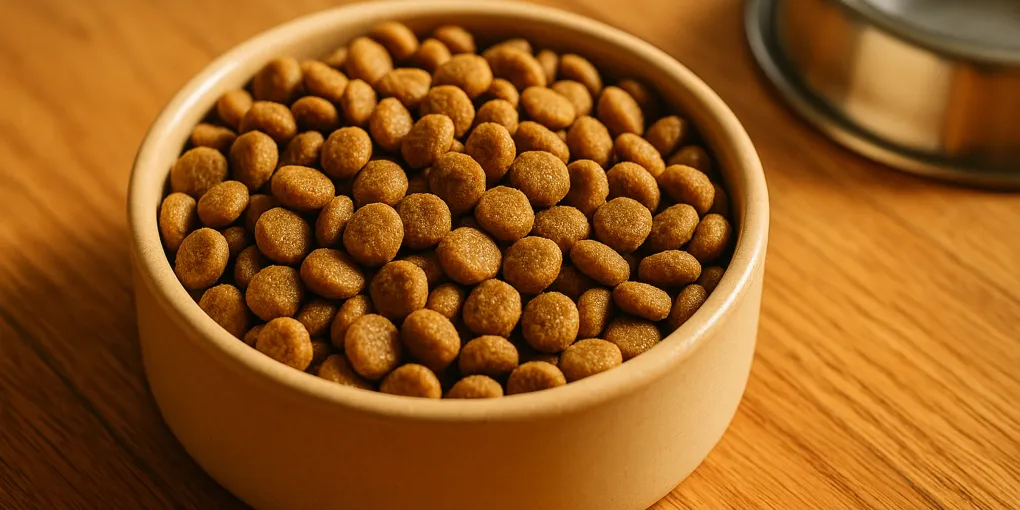
Royal Canin Size Health Nutrition Small Adult
Best OverallAAFCO statement: Complete and balanced for adult maintenance
$40–$60 (14–17 lb)
Quick Comparison
| Product | Key Specs | Price Range | Buy |
|---|---|---|---|
| |
| $40–$60 (14–17 lb) | Check Price |
| |
| $45–$65 (15.5 lb) | Check Price |
| |
| $35–$55 (16 lb) | Check Price |
| |
| $40–$60 (12 lb) | Check Price |
Contains affiliate links — we may earn a small commission at no extra cost to you.
Best Small Breed Dog Food in 2026: High-Calorie Formulas for Small Dogs
Small dogs have big nutritional needs — relative to their size. Their higher metabolic rate, smaller jaw structure, and specific health predispositions (dental disease, hypoglycemia in toy breeds, obesity) make choosing the right food more than a matter of marketing preference.
Royal Canin Size Health Nutrition Small Adult (PSR 8.3/10) leads our rankings for its breed-science-informed caloric density and kibble design. Hill’s Science Diet Small & Toy Breed (PSR 8.0/10) earns the vet-recommended designation as the most clinician-supported small breed option on the market.
TL;DR
- Top Pick: Royal Canin Small Adult — breed-science kibble design, optimal caloric density, excellent long-term palatability record (PSR 8.3/10)
- Best Vet-Recommended: Hill’s Science Diet Small & Toy — formulated by board-certified nutritionists, clinician-trusted (PSR 8.0/10)
- Best Palatability: Purina Pro Plan Small & Toy — consistent high acceptance rates, real chicken first ingredient (PSR 7.8/10)
- Best Grain-Free: Merrick Lil’ Plates — grain-free option with small-breed appropriate kibble and US-sourced proteins (PSR 7.5/10)
How We Researched This Article
AAFCO compliance statements verified from current product labels. Recall history sourced from FDA CVM recall database. Nutritional requirements for small breeds reviewed from AAFCO and NRC guidelines. Owner community palatability data synthesized from verified Amazon reviews (combined 140,000+ for featured products) and breed-specific community forums (Chihuahua, Yorkie, Maltese, Pomeranian owners).
What Matters Most in Small Breed Dog Food
Caloric density: Small breed dogs need more calories per unit of body weight than large breeds. Standard adult kibble may require them to eat impractically large volumes to meet energy needs. Small breed specific formulas concentrate more calories into smaller serving sizes — typically 380–420 kcal/cup vs. 340–370 kcal/cup for standard adult food.
Kibble size: Eating large kibble whole is a choking hazard and digestive risk for small breeds. Small breed kibble is designed at 3–8mm diameter for appropriate mastication by smaller jaws and teeth. For the smallest toy breeds (under 7 lbs), even standard small breed kibble may be large — look for brands with explicit toy breed kibble sizing.
Dental health: Small breeds are disproportionately affected by periodontal disease. While no dry food replaces veterinary dental cleanings, kibble texture and shape that encourages chewing (rather than swallowing whole) provides some mechanical plaque disruption. Royal Canin’s small breed formulas are specifically shaped for this purpose.
Obesity prevention: Small dogs receive treats in absolute amounts that represent a much higher proportion of their daily calories than for large breeds. A single standard-sized dog biscuit can represent 20–30% of a toy breed dog’s daily calorie budget. Choose high-calorie-density small breed food so portion control is easier, and limit treats to <10% of total daily intake.
Hypoglycemia in toy breeds: Chihuahuas, Yorkshire Terriers, Maltese, and other toy breeds under 3 lbs are at risk for hypoglycemia if meals are skipped or delayed. Feeding 2–3 small meals per day (rather than free feeding or one large meal) is the standard recommendation for these sizes.
PSR Composite Score Breakdown
| Criterion | Weight | Royal Canin | Hill’s Science Diet | Purina Pro Plan | Merrick Lil’ Plates |
|---|---|---|---|---|---|
| Safety & Ingredients | 25% | 8.5 | 8.5 | 8.5 | 8.0 |
| Durability & Build Quality | 20% | 9.0 | 9.0 | 8.5 | 8.0 |
| Pet Comfort & Acceptance | 20% | 8.5 | 8.0 | 8.5 | 8.0 |
| Value for Money | 20% | 7.5 | 7.5 | 8.5 | 7.5 |
| Ease of Use | 15% | 8.5 | 9.0 | 8.5 | 8.0 |
| PSR Composite | — | 8.3 | 8.0 | 7.8 | 7.5 |
Score notes: Royal Canin leads on Durability & Build Quality — it has the most extensive manufacturing QC infrastructure in the category and breed-science R&D backing. Hill’s and Royal Canin tie on Safety — both have board-certified nutritionist formulation and strong QA. Purina Pro Plan leads on Value for Money at competitive pricing for the ingredient quality offered. Merrick Lil’ Plates earns slightly lower Safety due to fewer years of published recall-free history.
Royal Canin Size Health Nutrition Small Adult: Best Overall
Royal Canin is a veterinary-nutrition leader with formulas developed alongside research institutions and clinical veterinarians. The Small Adult formula (designed for dogs 9–22 lbs) uses an S-shaped kibble designed to encourage chewing rather than swallowing whole, and the formula is calorie-dense to meet small breed metabolic requirements.
What makes it stand out:
- S-shaped kibble design: encourages chewing, provides some mechanical dental contact
- Caloric density optimized for small breed metabolic rates (365 kcal/cup) — portion control is easier
- EPA and DHA from fish oil for skin and coat support — small breeds disproportionately present with dermatology issues
- Formulated with veterinary nutritionist input; available at veterinary clinics and major retailers
- Available for specific small breed types: breed-specific formulas for Chihuahua, Yorkie, Dachshund, and others
Who it’s best for: Adult small breed dogs (9–22 lbs) with owners who want breed-science-backed formulation; dogs with dental health concerns who benefit from a kibble shape that encourages chewing; owners seeking a long-term, consistent small breed staple. For senior small breed dogs, see our senior dog food for small breeds guide.
View Royal Canin Small Adult on Amazon
Hill’s Science Diet Small & Toy Breed Adult: Best Vet-Recommended
Hill’s Science Diet is formulated by board-certified veterinary nutritionists and is the most frequently recommended dry dog food brand by veterinarians in the United States. The Small & Toy Breed formula uses real chicken as the primary protein with smaller kibble pieces optimized for dogs under 25 lbs.
Clinical backing:
- Formulated by DACVN (Diplomate, American College of Veterinary Nutrition) credentialed nutritionists
- Omega-6 and vitamin E for skin and coat health — critical for small breeds with common dermatology presentations
- Controlled mineral content for dental health and appropriate calcium/phosphorus balance
- Available at virtually all veterinary clinics; easy to obtain with consistent sourcing
2019 recall context: Hill’s Science Diet was involved in a Vitamin D over-supplementation recall in 2019 affecting multiple SKUs. The issue has been corrected; the brand implemented additional testing protocols. No current recalls. This is worth noting but does not change the product’s otherwise strong safety and quality profile.
Who it’s best for: Small breed adult dogs whose owners prefer a vet-recommended brand; dogs whose veterinarians have specifically recommended Hill’s; owners looking for consistent nationwide availability through veterinary channels. For toy breeds (under 10 lbs) specifically, confirm the toy breed variant is appropriate for the dog’s exact size.
View Hill’s Science Diet Small & Toy on Amazon
Purina Pro Plan Small & Toy Breed Adult: Best Palatability
Purina Pro Plan consistently earns the highest palatability ratings among small breed owners in independent surveys — particular among toy breeds like Yorkies, Maltese, and Pomeranians that are known for selective eating. The Chicken & Rice formula uses real chicken as the first ingredient with rice as a highly digestible carbohydrate.
Palatability profile:
- Real chicken as first ingredient — one of the highest-acceptance protein sources for dogs
- Multiple wet food and dry food options available in the Pro Plan small breed line for dogs that prefer moisture variety
- Omega fatty acids from fish oil and sunflower oil for coat health
- Live probiotics (Lactobacillus) added for digestive support — relevant for small breeds prone to GI sensitivity
- Available in multiple flavors: chicken, beef, lamb — useful for rotation feeding to prevent palatability fatigue
Who it’s best for: Picky toy breed dogs that have refused other small breed kibble options; owners who want proven palatability in a vet-nutrition-backed brand at a competitive price; dogs that benefit from the probiotic support for digestive health. For dogs with additional probiotic needs, see our probiotic supplement guide.
View Purina Pro Plan Small & Toy on Amazon
Merrick Lil’ Plates Grain-Free Small Breed: Best Grain-Free Option
Merrick’s Lil’ Plates line is designed specifically for small breeds with appropriate kibble sizing and a grain-free formulation using sweet potato and peas as carbohydrate sources. The Grain-Free Chicken recipe uses deboned chicken as the first ingredient with US-sourced proteins.
For owners who specifically need grain-free small breed food:
- Deboned chicken as first ingredient — high-quality named protein source
- Small kibble appropriately sized for toy and small breed jaws
- No grains, corn, wheat, soy, artificial colors, or preservatives
- US-sourced proteins — Merrick maintains sourcing documentation
DCM note: As with all grain-free diets, the FDA CVM DCM investigation context applies — particularly for legume-heavy (peas, lentils) formulas. If grain-free is chosen for a confirmed dietary need rather than preference, discuss DCM monitoring with your veterinarian. See our grain-free dog food guide for the full context.
Who it’s best for: Small breed dogs with confirmed grain sensitivities or allergies; owners who want grain-free feeding for a documented reason and prefer the small breed specific kibble sizing and formula. Also consider our limited ingredient dog food guide if grain sensitivity is part of a broader food allergy concern.
View Merrick Lil’ Plates on Amazon
Frequently Asked Questions
Do small breed dogs need a special diet different from regular adult dog food?
Small breed dogs have higher metabolic rates per kilogram of body weight than large breeds, requiring more calories relative to their size. Small breed specific formulas address this with higher caloric density and smaller kibble pieces. While standard adult food that meets AAFCO adult maintenance requirements is nutritionally adequate, small breed specific kibble is more practical for portion control and appropriate for smaller jaw sizes.
How much should a small breed dog eat per day?
A general guideline for adult small breed dogs is 40–50 kcal per pound of body weight per day for moderate activity. A 10 lb dog needs roughly 400–500 kcal/day. Always follow the feeding guide on your specific food and adjust based on your dog’s body condition score (ribs easily felt but not visibly prominent).
What are the most common health problems in small breeds that diet affects?
Dental disease (over 80% of dogs over 3 have some degree), obesity, and hypoglycemia in toy breeds under 3 lbs are the three most diet-relevant conditions. Regular feeding schedules, appropriate caloric density, and dental-supportive kibble texture all play a role.
Can small breed dogs eat regular adult dog food?
Standard AAFCO-compliant adult food is nutritionally adequate for small breeds. The practical advantages of small breed specific formulas are appropriate kibble sizing and higher caloric density allowing energy needs to be met in smaller portions. If your dog eats well on standard adult food and maintains healthy weight and condition, switching is not medically necessary.
How do I know if my small breed dog is at a healthy weight?
A healthy weight is indicated by a body condition score (BCS) of 4–5 on a 9-point scale: ribs easily felt but not prominently visible, a visible waist from above, and an abdominal tuck from the side. Small breeds can gain significant fat percentage from small absolute weight gains — monthly weigh-ins help catch obesity trends early.
Frequently Asked Questions
- Small breed dogs have higher metabolic rates per kilogram of body weight than large breeds — they burn more calories relative to their size. Small breed specific formulas address this with higher caloric density packed into smaller kibble pieces. The higher caloric density allows small dogs to meet their energy needs without eating large volumes of food. Kibble size is also meaningfully different — small breed kibble is typically 3–8mm compared to standard adult kibble at 10–15mm, reducing choking risk and improving chewing ease for smaller jaws.
- Energy requirements vary by breed, age, and activity level, but a general guideline for adult small breed dogs is 40–50 kcal per pound of body weight per day for a moderately active dog. A 10 lb Chihuahua needs roughly 400–500 kcal/day; a 15 lb Beagle needs approximately 600–750 kcal/day. Always follow the feeding guide on your specific food's packaging and adjust based on your dog's body condition score — ribs should be easily felt but not visibly prominent.
- Dental disease, obesity, and hypoglycemia are the three most diet-relevant conditions in small breeds. Over 80% of dogs over age 3 have some degree of periodontal disease, and small breeds are disproportionately affected. Dental chews, appropriate kibble texture, and regular dental care (brushing) are important complements to any diet. Hypoglycemia risk in toy breeds under 3 lbs makes regular meal schedules (2–3x/day) essential — skipped meals can be medically significant.
- Standard adult dog food that meets AAFCO adult maintenance requirements is nutritionally adequate for small breed dogs. The practical differences in small breed specific formulas are kibble size (more manageable for small jaws) and caloric density (allowing energy needs to be met in smaller volume). If your small breed dog eats well on standard adult kibble and maintains a healthy weight and condition, switching is not medically necessary — though small breed specific kibble is the more convenient choice.
- Use body condition scoring (BCS) on a 1–9 scale: a healthy dog at 4–5 should have ribs that are easily felt but not visibly prominent, a visible waist when viewed from above, and an abdominal tuck when viewed from the side. Small breed dogs can gain significant body fat percentage from even small absolute weight gains — a 10 lb Chihuahua that gains 1 lb has gained 10% of its body weight. Monthly weigh-ins at home or at your veterinarian's office help catch obesity trends early.