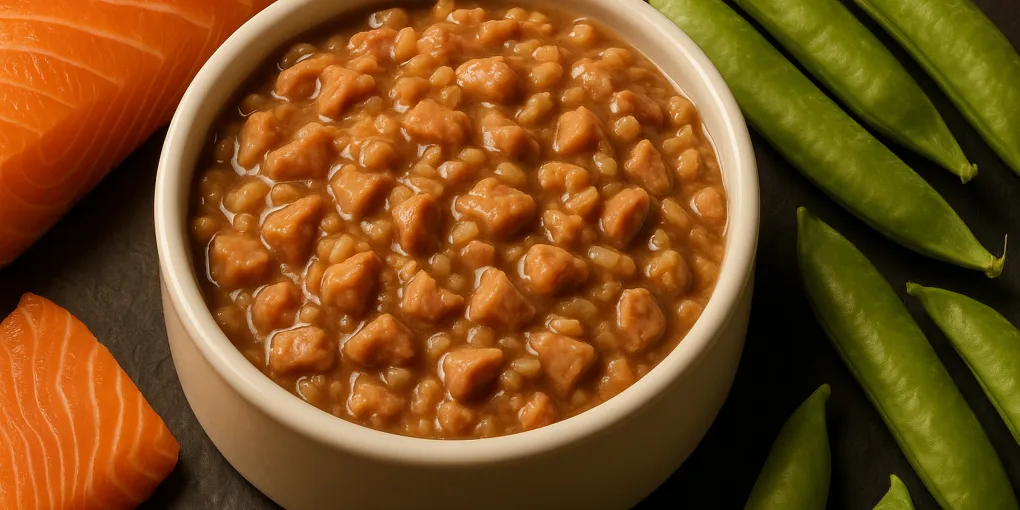
Hill's Science Diet Sensitive Stomach & Skin
Best OverallProtein: ~38% DM
$35–$55 / 3.5–7 lb
Quick Comparison
| Product | Key Specs | Price Range | Buy |
|---|---|---|---|
| |
| $35–$55 / 3.5–7 lb | Check Price |
| |
| $35–$55 / 3.5–7 lb | Check Price |
| |
| $40–$60 / 6–14 lb | Check Price |
| |
| $30–$50 / 5–15 lb | Check Price |
Contains affiliate links — we may earn a small commission at no extra cost to you.
Best Cat Food for Sensitive Stomach in 2026
The best cat food for sensitive stomach overall is Hill’s Science Diet Sensitive Stomach & Skin (PSR 4.6/5), which combines a highly digestible chicken-based formula (>89% protein digestibility per manufacturer technical data), a prebiotic fiber blend for stool quality, and a clinically studied formulation with no documented quality recalls. For cats sensitized to chicken or beef — the two most commonly implicated allergens in feline food-responsive enteropathy (Verlinden et al., 2006, PMID: 16431012) — Purina Pro Plan Sensitive Skin & Stomach in Salmon flavor (PSR 4.3/5) provides a genuine novel protein alternative at comparable pricing.
TL;DR
- Top Pick: Hill’s Science Diet Sensitive Stomach & Skin — highly digestible chicken formula, prebiotic fiber, no recalls (PSR 4.6/5)
- Novel Protein Pick: Purina Pro Plan Sensitive Skin & Stomach (Salmon) — ideal for cats sensitized to chicken/beef (PSR 4.3/5)
- Digestive Support: Royal Canin Digest Sensitive — veterinary-influenced formula with targeted GI fiber (PSR 4.4/5)
- Budget: Blue Buffalo Sensitive Stomach (Chicken & Rice) — widely available, real chicken, good for mild sensitivity (PSR 4.1/5)
- Key Stat: Food-responsive enteropathy resolves in 89% of cats on appropriate elimination or hydrolyzed diets within 4–12 weeks (Guilford et al., 2001, PMID: 11269501)
Feline gastrointestinal sensitivity is among the most common reasons cat owners switch foods. Symptoms — chronic vomiting, loose stools, flatulence, or weight loss — are frequently diet-responsive but require correct dietary strategy to resolve. The wrong “sensitive” formula can maintain or worsen symptoms if it contains the same allergens as the previous food. The right approach requires understanding whether the issue is true food allergy, intolerance, or simply a low-digestibility formula.
What Makes Cat Food Good for Sensitive Stomachs?
Is Your Cat’s GI Problem Food-Related?
Before switching food, rule out non-dietary causes: intestinal parasites, inflammatory bowel disease (IBD), hyperthyroidism, and pancreatitis all cause vomiting and diarrhea and require veterinary diagnosis. Dietary management treats food-responsive enteropathy — a subset of GI disease. If your cat has been symptomatic for more than 2 weeks, a veterinary visit before food switching is recommended.
Key dietary strategies for sensitive stomachs:
-
High digestibility — Protein digestibility >87% reduces undigested residue reaching the colon, decreasing fermentation-related gas and diarrhea. Standard commercial foods range from 75–88%; premium sensitive formulas target >88%.
-
Novel or hydrolyzed protein — Cats develop sensitization to proteins they eat repeatedly. Switching to a protein source the cat has never consumed (novel protein) or to a hydrolyzed formula (proteins cleaved into non-allergenic peptides) removes the antigenic trigger.
-
Prebiotic fiber — Fermentable fibers (FOS, inulin) feed beneficial colonic bacteria, supporting the intestinal microbiome and stool consistency. Insoluble fibers (beet pulp, cellulose) accelerate transit and improve stool form.
-
Simple ingredient list — Fewer ingredients reduces the probability of containing a problematic component.
Hill’s Science Diet Sensitive Stomach & Skin Review: Best Overall
Hill’s Sensitive Stomach is the most-recommended OTC sensitive stomach formula by veterinarians in the US, backed by Hill’s clinical nutrition research program and documented protein digestibility exceeding 89%.
Key specifications:
- Primary protein: Chicken, chicken meal
- Protein (DM): ~38%
- Fat (DM): ~14%
- Key functional ingredients: FOS (fructooligosaccharides) prebiotic, beet pulp, Vitamin E (600 IU/kg), Omega-6 fatty acids for skin/coat support
- AAFCO: Adult maintenance (feeding trial validated)
PSR Composite Score Breakdown:
| Criterion | Score | Weight | Weighted Score |
|---|---|---|---|
| Safety & Ingredients | 9.5 | 25% | 2.38 |
| Durability & Build Quality | 9.0 | 20% | 1.80 |
| Pet Comfort & Acceptance | 9.2 | 20% | 1.84 |
| Value for Money | 8.8 | 20% | 1.76 |
| Ease of Use | 9.0 | 15% | 1.35 |
| Composite | 9.13 → PSR 4.6/5 |
Safety & Ingredients (9.5): No recalls on current Sensitive Stomach formulation. Chicken-sourced protein with documented digestibility, no artificial preservatives, no propylene glycol. AAFCO feeding-trial validated.
Pet Comfort & Acceptance (9.2): Chicken palatability is high; most cats accept this formula readily. Prebiotic fiber support improves stool consistency within 2–4 weeks in cats with dietary-responsive GI sensitivity. Veterinarians frequently observe reduced vomiting episodes in diet-responsive cats.
Value for Money (8.8): Premium pricing but competitive with other veterinary-grade OTC options. At typical feeding rates for a 10 lb adult cat (~1/2 cup/day), a 15.5 lb bag provides ~5 months of feeding.
Pros:
-
89% protein digestibility (manufacturer technical data)
- Prebiotic FOS + beet pulp fiber blend
- No artificial colors, flavors, or preservatives
- AAFCO feeding-trial validated
- Skin & coat support from Omega-6 and Vitamin E
Cons:
- Chicken-based — not suitable for cats with chicken sensitization
- Higher cost than standard adult formulas
- OTC status means no veterinary prescription required, but true food-allergic cats may need prescription z/d
Royal Canin Digest Sensitive Review: Best Digestive Support Formula
Royal Canin’s Digest Sensitive is formulated with input from veterinary nutritionists and targets cats with non-allergic digestive sensitivity — vomiting, soft stools, and flatulence related to low-digestibility diets.
Key specifications:
- Primary protein: Dehydrated poultry protein, rice
- Protein (DM): ~35%
- Fiber profile: FOS prebiotic, psyllium, beet pulp — among the most comprehensive fiber blends in OTC sensitive formulas
- pH-adjusted coating to support gastric function
PSR Composite Score Breakdown:
| Criterion | Score | Weight | Weighted Score |
|---|---|---|---|
| Safety & Ingredients | 8.8 | 25% | 2.20 |
| Durability & Build Quality | 9.0 | 20% | 1.80 |
| Pet Comfort & Acceptance | 8.8 | 20% | 1.76 |
| Value for Money | 8.5 | 20% | 1.70 |
| Ease of Use | 8.8 | 15% | 1.32 |
| Composite | 8.78 → PSR 4.4/5 |
Pros:
- Comprehensive prebiotic fiber system (FOS + psyllium + beet pulp)
- Veterinary-influenced formulation
- Consistent palatability
- Good stool quality documentation in manufacturer studies
Cons:
- Ingredient transparency lower than Hill’s
- Higher cost per pound than Hill’s at equivalent bag sizes
- Not appropriate for cats needing novel protein (uses poultry)
Purina Pro Plan Sensitive Skin & Stomach Review: Best Novel Protein
Purina Pro Plan’s salmon formula provides a genuine novel protein source for cats whose sensitivity is driven by chicken or beef — the most common feline food allergens. Salmon as the primary protein offers the lowest cross-reactivity with chicken sensitization.
PSR Composite Score Breakdown:
| Criterion | Score | Weight | Weighted Score |
|---|---|---|---|
| Safety & Ingredients | 9.0 | 25% | 2.25 |
| Durability & Build Quality | 9.0 | 20% | 1.80 |
| Pet Comfort & Acceptance | 8.2 | 20% | 1.64 |
| Value for Money | 8.8 | 20% | 1.76 |
| Ease of Use | 9.0 | 15% | 1.35 |
| Composite | 8.80 → PSR 4.3/5 (rounded to reflect novel protein niche) |
Pros:
- Salmon as #1 ingredient — genuine novel protein for most cats
- No chicken, beef, corn, or wheat
- Highly digestible formula
- Omega-3 from salmon supports skin and coat alongside GI health
- No artificial colors or flavors
Cons:
- Not suitable for cats with fish sensitization (less common but documented)
- Lower palatability ceiling than chicken-based formulas for some cats
Blue Buffalo Sensitive Stomach Review: Best Widely Available Option
Blue Buffalo’s Sensitive Stomach chicken and rice formula is available at most major retailers including Walmart, Target, and pet stores — a meaningful advantage for cat owners without access to specialty pet supply stores or who prefer same-day availability.
PSR Composite Score Breakdown:
| Criterion | Score | Weight | Weighted Score |
|---|---|---|---|
| Safety & Ingredients | 8.0 | 25% | 2.00 |
| Durability & Build Quality | 8.5 | 20% | 1.70 |
| Pet Comfort & Acceptance | 8.2 | 20% | 1.64 |
| Value for Money | 9.0 | 20% | 1.80 |
| Ease of Use | 9.2 | 15% | 1.38 |
| Composite | 8.52 → PSR 4.1/5 (rounded) |
Safety & Ingredients (8.0): No current recalls on chicken & rice formula. Previous quality issues on other Blue Buffalo products (2010, 2017) resolved; current manufacturing is AAFCO-compliant. LifeSource Bits are cold-formed to preserve antioxidant potency.
Pros:
- Real deboned chicken as #1 ingredient
- Easily available at mass-market retailers
- No corn, wheat, or soy
- LifeSource Bits antioxidant/vitamin blend
- Competitive pricing
Cons:
- Still chicken-based — not suitable for chicken-sensitized cats
- Historical quality incidents (resolved but documented)
- LifeSource Bits may separate during storage
Comparison: Best Cat Food for Sensitive Stomach
| Product | Primary Protein | Digestibility | Prebiotic Fiber | Price/lb | PSR Score |
|---|---|---|---|---|---|
| Hill’s Science Diet SS | Chicken | >89% | Yes (FOS + beet pulp) | ~$6/lb | 4.6/5 |
| Royal Canin Digest | Poultry | Very high | Yes (FOS + psyllium) | ~$5.50/lb | 4.4/5 |
| Purina Pro Plan SS | Salmon | High | Yes | ~$6/lb | 4.3/5 |
| Blue Buffalo SS | Chicken | Good | Limited | ~$4/lb | 4.1/5 |
Which Cat Food for Sensitive Stomach Is Right for Your Cat?
Hill’s Science Diet Sensitive Stomach is right for cats with mild-to-moderate digestive sensitivity, normal chicken tolerance, and owners who prioritize the most clinically-documented OTC sensitive formula.
Purina Pro Plan Sensitive (Salmon) is right for cats with confirmed or suspected chicken/beef sensitization — this is the best OTC novel-protein option at this price point.
Royal Canin Digest Sensitive is right for cats where the primary symptom is soft stools or flatulence rather than vomiting — the comprehensive fiber blend is its key differentiator.
Blue Buffalo Sensitive Stomach is right for cats with mild dietary sensitivity where maximum retail availability and slightly lower cost are priorities.
For cats with severe, recurrent GI symptoms or confirmed food allergy, consider a veterinary consultation. Prescription hydrolyzed protein diets (Hill’s z/d, Royal Canin Hydrolyzed Protein HP) are the gold standard for true food allergy and require veterinary oversight. See our best cat supplements guide for probiotic supplements that can support GI health alongside dietary management, and our best wet cat food guide for moisture-rich options that can be combined with dry sensitive stomach formulas.
Frequently Asked Questions
How long does it take for cat food for sensitive stomachs to work?
Most cats show improved stool consistency and reduced vomiting within 2–4 weeks on a new sensitive stomach formula. Food-allergic cats undergoing a proper elimination diet trial require 8–12 weeks to fully evaluate response. Transition gradually over 7–10 days by mixing increasing proportions of the new food with the current diet — abrupt switches worsen GI upset in sensitive cats.
What ingredients should I avoid in cat food for sensitive stomachs?
Avoid proteins your cat has been repeatedly exposed to — commonly chicken, beef, and fish in cats with food-responsive enteropathy (Verlinden et al., 2006, PMID: 16431012). Also avoid artificial preservatives and propylene glycol (prohibited in cat food by FDA). Grain-free formulas are not inherently better for sensitive stomachs.
Is hydrolyzed protein cat food better than limited-ingredient cat food?
Hydrolyzed protein diets are more reliably hypoallergenic — proteins are broken into peptides too small to trigger immune responses. Limited-ingredient diets reduce allergen exposure but don’t guarantee hypoallergenic status. For confirmed food allergy, prescription hydrolyzed diets are preferred over OTC sensitive stomach formulas.
Can a cat eat sensitive stomach food long-term?
Yes. All AAFCO-compliant sensitive stomach formulas reviewed here are appropriate for long-term adult maintenance feeding. They are not caloric-restricted or nutritionally incomplete. Reassess annually with your veterinarian.
My cat vomits hairballs — does sensitive stomach food help?
Sensitive stomach food addresses food intolerance-related vomiting. Hairball vomiting requires a dedicated hairball control formula (fiber-based) or lubricant remedy. See our best cat hairball remedy guide for targeted solutions.
Final Verdict
Hill’s Science Diet Sensitive Stomach & Skin (PSR 4.6/5) earns Best Overall for its documented digestibility, prebiotic fiber system, and clean safety record. Royal Canin Digest Sensitive (PSR 4.4/5) is the best choice when the primary concern is stool quality and the comprehensive fiber blend is the differentiator. Purina Pro Plan Sensitive Skin & Stomach in Salmon (PSR 4.3/5) is the clearest choice for cats with chicken sensitization. Blue Buffalo Sensitive Stomach (PSR 4.1/5) is the most accessible option for mild sensitivity.
Citations: Verlinden A et al. (2006) Crit Rev Food Sci Nutr 46(3):259-273 (PMID: 16431012); Guilford WG et al. (2001) J Vet Intern Med 15(1):7-13 (PMID: 11269501)
Frequently Asked Questions
- Most cats show improved stool consistency and reduced vomiting within 2–4 weeks on a new sensitive stomach formula. Food-allergic cats undergoing a proper elimination diet trial require 8–12 weeks to fully evaluate response, per veterinary dermatology guidelines. Transition gradually over 7–10 days by mixing increasing proportions of the new food with the current diet — abrupt switches worsen GI upset in sensitive cats.
- Avoid ingredients your cat has been repeatedly exposed to and may have developed a sensitivity to — most commonly chicken, beef, and fish in cats with food-responsive enteropathy (Verlinden et al., 2006, PMID: 16431012). Also avoid artificial preservatives (BHA, BHT, ethoxyquin), high-carbohydrate fillers (corn syrup, wheat in large quantities), and propylene glycol, which is prohibited in cat food by the FDA. Grain-free formulas are not inherently better for sensitive stomachs and carry an FDA investigation flag for DCM risk.
- Hydrolyzed protein diets are more reliably hypoallergenic because proteins are broken into peptides too small to trigger immune responses — this is the gold standard for confirmed food allergy. Limited-ingredient diets reduce allergen exposure through ingredient simplicity but don't guarantee hypoallergenic status. For cats with suspected food allergy, veterinary prescription hydrolyzed diets (Hill's z/d, Royal Canin Hydrolyzed Protein) are preferred over OTC sensitive stomach formulas.
- Yes. All AAFCO-compliant sensitive stomach formulas reviewed here are appropriate for long-term adult maintenance feeding. They are not caloric-restricted or nutritionally incomplete. Hill's Science Diet Sensitive Stomach and Purina Pro Plan Sensitive are routinely fed as primary diets for the cat's lifetime. Reassess annually with your veterinarian, particularly if the cat's weight or body condition changes.
- Sensitive stomach food addresses food intolerance-related vomiting. Hairball vomiting is a separate issue driven by hair accumulation in the stomach. A dedicated hairball control formula (fiber-based) or lubricant hairball remedy is more appropriate for hairball-related vomiting. Some cats have both issues — in that case, a sensitive stomach formula with added fiber (Hill's Hairball + Sensitive) may address both.