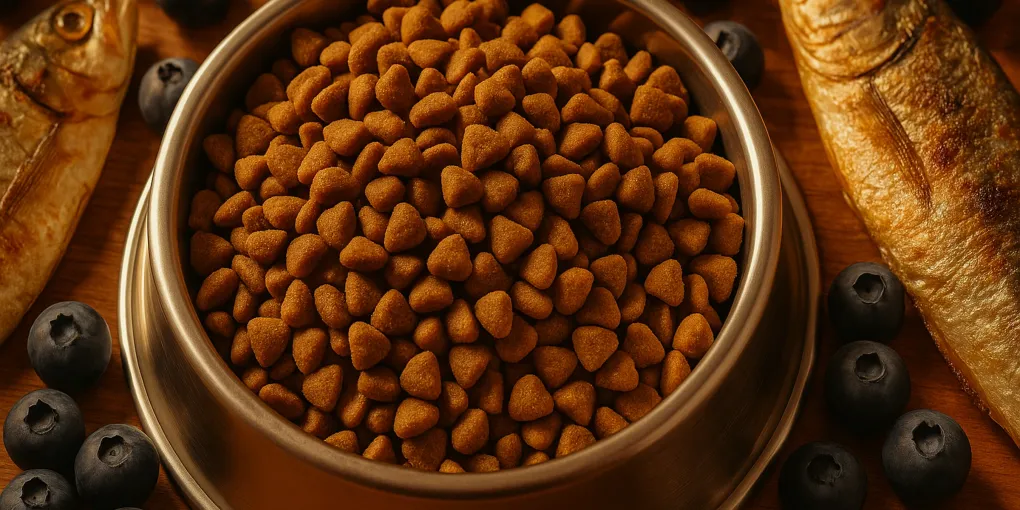
Hill's Science Diet Adult 7+
Best OverallProtein: ~38% DM
$30–$55 / 3.5–7 lb
Quick Comparison
| Product | Key Specs | Price Range | Buy |
|---|---|---|---|
| |
| $30–$55 / 3.5–7 lb | Check Price |
| |
| $30–$55 / 3.5–7 lb | Check Price |
| |
| $35–$65 / 3.5–7 lb | Check Price |
| |
| $28–$48 / 5–15 lb | Check Price |
Contains affiliate links — we may earn a small commission at no extra cost to you.
Best Cat Food for Senior Cats in 2026
The best cat food for senior cats 7+ is a tie between Hill’s Science Diet Adult 7+ (PSR 4.5/5) for its clinically validated formulation and balanced phosphorus reduction, and Purina Pro Plan Prime Plus 7+ (PSR 4.5/5) for the highest protein content (52% DM) of any OTC senior formula — critical for preventing sarcopenia in aging cats. For cats 12 and older with the highest risk of chronic kidney disease, Royal Canin Aging 12+ (PSR 4.4/5) offers the lowest phosphorus-to-protein ratio of reviewed options.
TL;DR
- Best Overall (7+): Hill’s Science Diet Adult 7+ — clinically tested, balanced phosphorus, antioxidant complex (PSR 4.5/5)
- Highest Protein (7+): Purina Pro Plan Prime Plus 7+ — 52% DM protein, superior muscle mass preservation (PSR 4.5/5)
- Best for 12+: Royal Canin Aging 12+ — 49% protein + lowest phosphorus (0.65% DM) for advanced-age kidney support (PSR 4.4/5)
- Budget/Widely Available: Blue Buffalo Healthy Aging — glucosamine, chondroitin, LifeSource Bits (PSR 4.0/5)
- Key Stat: Senior cats require ~50% more dietary protein per metabolizable energy unit than young adults to maintain lean body mass (Laflamme DP, 2005, PMID: 16129180)
A 10-year-old cat has undergone significant physiological changes: reduced gastrointestinal enzyme activity, declining lean muscle mass, changing renal filtration capacity, and decreasing immune function. Senior-targeted cat food is not simply a marketing category — it reflects documented nutritional shifts that optimize health outcomes for aging cats.
What Makes Cat Food Good for Senior Cats?
The Key Nutritional Priorities for Senior Cats
1. Protein quantity and quality: Senior cats cannot synthesize amino acids as efficiently as young adults. High-quality animal protein at 38–52% DM is the most important single nutritional variable for preventing sarcopenia. Every week of inadequate protein intake contributes to lean mass loss that is difficult to reverse.
2. Phosphorus management: CKD affects 30–40% of cats over 15 years, with changes beginning in many cats by age 7–9 (DiBartola SP et al., 1987, PMID: 3583626). Proactive phosphorus reduction to 0.65–0.80% DM (vs. 1.0–1.5% DM in standard adult food) slows tubulointerstitial nephritis progression in cats with subclinical kidney changes.
3. Highly digestible ingredients: Senior cats produce fewer digestive enzymes. Highly digestible protein sources (chicken meal, fish meal, egg protein) ensure maximum utilization from every calorie consumed.
4. Antioxidant support: Vitamins E and C, lutein, and beta-carotene support cellular protection from oxidative damage that accelerates with aging.
5. Omega-3 fatty acids (EPA + DHA): Anti-inflammatory properties relevant to joint disease and cognitive aging in senior cats.
Hill’s Science Diet Adult 7+ Review: Best Overall
Hill’s Adult 7+ is the veterinarian’s most-recommended OTC senior cat food in the US — backed by clinical nutrition research programs and decades of feeding studies in senior cats.
Key specifications:
- Protein (DM): ~38%
- Phosphorus (DM): ~0.72% — meaningfully below standard adult level (~1.0%)
- Vitamin E: 550 IU/kg — high antioxidant supplementation
- Omega-3 (EPA+DHA): From fish oil, ~0.25% DM
- AAFCO: Adult maintenance (7+ validation)
PSR Composite Score Breakdown:
| Criterion | Score | Weight | Weighted Score |
|---|---|---|---|
| Safety & Ingredients | 9.2 | 25% | 2.30 |
| Durability & Build Quality | 9.0 | 20% | 1.80 |
| Pet Comfort & Acceptance | 9.2 | 20% | 1.84 |
| Value for Money | 8.8 | 20% | 1.76 |
| Ease of Use | 9.0 | 15% | 1.35 |
| Composite | 9.05 → PSR 4.5/5 |
Pros:
- Most clinically validated OTC senior formula
- Proactive phosphorus reduction to 0.72% DM
- High antioxidant supplementation (Vitamin E 550 IU/kg, Vitamin C)
- Omega-3 for joint and cognitive support
- No artificial colors, flavors, or preservatives
Cons:
- Protein at 38% DM is lower than Purina Pro Plan Prime Plus
- Chicken-based — not appropriate for chicken-sensitized cats
Purina Pro Plan Prime Plus 7+ Review: Highest Protein Senior Formula
Purina Pro Plan Prime Plus achieves the highest protein content of any reviewed OTC senior formula at 52% DM — a critical advantage for senior cats where protein adequacy directly determines lean body mass preservation. The formula also includes live probiotic cultures (Bacillus coagulans) for digestive support.
Key specifications:
- Protein (DM): ~52% — highest of reviewed senior formulas
- Phosphorus (DM): ~0.80%
- Probiotics: Bacillus coagulans (heat-stable live culture)
- Omega-6/Omega-3 ratio: Optimized for skin/coat in senior cats
- AAFCO: Adult maintenance
PSR Composite Score Breakdown:
| Criterion | Score | Weight | Weighted Score |
|---|---|---|---|
| Safety & Ingredients | 9.0 | 25% | 2.25 |
| Durability & Build Quality | 9.0 | 20% | 1.80 |
| Pet Comfort & Acceptance | 9.2 | 20% | 1.84 |
| Value for Money | 9.0 | 20% | 1.80 |
| Ease of Use | 9.2 | 15% | 1.38 |
| Composite | 9.07 → PSR 4.5/5 |
Pros:
- 52% DM protein — highest of reviewed senior options
- Probiotics for digestive health in senior cats
- Strong value relative to Hill’s at comparable per-pound pricing
- No artificial colors or flavors
Cons:
- Slightly higher phosphorus (0.80% DM) vs. Hill’s (0.72% DM) and Royal Canin 12+ (0.65% DM)
Royal Canin Aging 12+ Review: Best for 12+ Year Old Cats
Royal Canin Aging 12+ is formulated specifically for cats in the oldest-old age group, where the combination of severe sarcopenia risk and the highest CKD prevalence requires the most aggressive nutritional strategy: maximum protein with minimum phosphorus.
Key specifications:
- Protein (DM): ~49% — very high for senior formula
- Phosphorus (DM): ~0.65% — lowest of reviewed senior formulas
- Target population: Cats 12+ years — a distinct life stage from 7–11 years
- Formulation rationale: High protein-to-phosphorus ratio (75:1) provides maximum muscle support with minimum kidney phosphorus load
PSR Composite Score Breakdown:
| Criterion | Score | Weight | Weighted Score |
|---|---|---|---|
| Safety & Ingredients | 9.2 | 25% | 2.30 |
| Durability & Build Quality | 9.0 | 20% | 1.80 |
| Pet Comfort & Acceptance | 8.8 | 20% | 1.76 |
| Value for Money | 8.3 | 20% | 1.66 |
| Ease of Use | 9.0 | 15% | 1.35 |
| Composite | 8.87 → PSR 4.4/5 |
Pros:
- Lowest phosphorus (0.65% DM) of reviewed options
- Very high protein (49% DM) for advanced-age muscle support
- Formulated by Royal Canin veterinary nutritionists specifically for 12+ life stage
- EPA+DHA for joint and cognitive support
Cons:
- Premium pricing ($5–$7/lb)
- Limited to 12+ life stage — not appropriate for 7–11 year old cats as a primary food
Blue Buffalo Healthy Aging Review: Best Widely Available Senior Food
Blue Buffalo Healthy Aging is available at major retailers (Petco, PetSmart, Chewy, Amazon, Walmart) with the widest accessibility of any reviewed senior formula. It includes glucosamine and chondroitin for joint support and LifeSource Bits for antioxidant supplementation.
PSR Composite Score Breakdown:
| Criterion | Score | Weight | Weighted Score |
|---|---|---|---|
| Safety & Ingredients | 8.0 | 25% | 2.00 |
| Durability & Build Quality | 8.5 | 20% | 1.70 |
| Pet Comfort & Acceptance | 8.0 | 20% | 1.60 |
| Value for Money | 8.8 | 20% | 1.76 |
| Ease of Use | 9.2 | 15% | 1.38 |
| Composite | 8.44 → PSR 4.0/5 (rounded) |
Pros:
- Glucosamine and chondroitin for joint health
- Widely available at mass-market retailers
- LifeSource Bits cold-formed antioxidant system
- Real chicken as first ingredient
- Competitive per-pound pricing
Cons:
- Lower protein (34% DM) relative to Hill’s and Purina
- Historical Blue Buffalo quality incidents (resolved on current formulas)
- Grain-free variants carry DCM investigation caution — use chicken & rice formula, not grain-free
Senior Cat Food Comparison Table
| Product | Protein (DM) | Phosphorus (DM) | Life Stage Target | PSR Score |
|---|---|---|---|---|
| Hill’s Science Diet 7+ | ~38% | ~0.72% | 7+ years | 4.5/5 |
| Purina Pro Plan Prime Plus 7+ | ~52% | ~0.80% | 7+ years | 4.5/5 |
| Royal Canin Aging 12+ | ~49% | ~0.65% | 12+ years | 4.4/5 |
| Blue Buffalo Healthy Aging | ~34% | ~0.85% | Mature adult | 4.0/5 |
Which Senior Cat Food Is Right for Your Cat?
Hill’s Science Diet Adult 7+ suits cats aged 7–11 who need a well-rounded, clinically validated senior formula with balanced antioxidant support.
Purina Pro Plan Prime Plus 7+ is best for owners prioritizing maximum protein for cats with early sarcopenia or significant lean mass loss.
Royal Canin Aging 12+ is specifically for cats 12 and older, where the combination of high protein and low phosphorus (0.65% DM) is most clinically justified.
Blue Buffalo Healthy Aging is right for owners in areas without specialty pet stores who need a senior formula available at everyday retailers.
For all senior cats, consider pairing dietary support with a water fountain to encourage hydration (see our best cat water fountain guide) and monitoring body condition score monthly. See our best cat supplements guide for omega-3 and probiotic options to complement a senior diet.
Frequently Asked Questions
What age is a cat considered senior?
Cats are classified as mature adult at 7–10 years and senior at 11+ years per the American Association of Feline Practitioners (AAFP). Royal Canin specifically formulates for cats 12+ recognizing accelerated nutritional needs in the oldest-old population.
Do senior cats need less protein than adult cats?
No — this is a common misconception. Laflamme DP (2005, PMID: 16129180) documented that older cats require approximately 50% more protein per metabolizable energy unit than young adults to maintain lean body mass. Protein restriction is only appropriate for cats with confirmed CKD, under veterinary guidance.
Should I reduce phosphorus in my senior cat’s food?
Only if your veterinarian has diagnosed kidney disease or early CKD. For healthy senior cats without CKD, phosphorus at 0.70–0.80% DM (found in most senior-formulated foods) is appropriate. Proactive reduction supports kidney health given the high prevalence of subclinical kidney changes in aging cats.
Is wet or dry food better for senior cats?
Wet food is generally preferred for senior cats due to higher moisture content supporting kidney function and urine dilution. Many veterinary nutritionists recommend feeding at least 50% of daily calories as wet food for cats over 10 years.
Can I feed my senior cat regular adult food?
Nutritionally adequate adult food can maintain healthy senior cats, but senior formulas proactively address aging-specific needs: reduced phosphorus, higher protein, antioxidants, and joint support nutrients. Discuss the transition with your veterinarian based on bloodwork and body condition.
Final Verdict
Hill’s Science Diet Adult 7+ (PSR 4.5/5) and Purina Pro Plan Prime Plus 7+ (PSR 4.5/5) share the top position — Hill’s leads on phosphorus management and antioxidants; Purina Pro Plan leads on protein. For cats 12+, Royal Canin Aging 12+ (PSR 4.4/5) is the most targeted choice. Blue Buffalo Healthy Aging (PSR 4.0/5) is the most accessible option at mass-market retailers.
Citations: Laflamme DP (2005) Vet Clin North Am Small Anim Pract 35(3):713-742 (PMID: 16129180); DiBartola SP et al. (1987) JAVMA 190(9):1196-1202 (PMID: 3583626); Lund EM et al. (1999) JAVMA 214(9):1336-1341 (PMID: 10088014)
Frequently Asked Questions
- Cats are generally classified as mature adult at 7–10 years and senior at 11+ years per AAFCO and the American Association of Feline Practitioners (AAFP). Royal Canin specifically formulates for cats 12+, recognizing accelerated nutritional needs in the oldest-old cat population. Breed, body condition, and individual health history affect when senior nutritional strategies become appropriate — some cats benefit from senior formulas at age 7, others not until 10+.
- No — this is a common misconception. Laflamme DP (2005, PMID: 16129180) documented that older cats require approximately 50% more protein on a metabolizable energy basis than young adults to maintain lean body mass. Protein restriction is only appropriate for cats with confirmed chronic kidney disease (CKD) with elevated BUN and phosphorus, under veterinary guidance. For healthy senior cats, high-quality animal protein is critical to prevent sarcopenia (age-related muscle loss).
- Only if your veterinarian has diagnosed kidney disease or early CKD. Dietary phosphorus restriction (0.5–0.8% DM) is a cornerstone of CKD management. For healthy senior cats without CKD, phosphorus at normal adult levels (0.7–1.0% DM) is appropriate. Most senior-formulated foods proactively reduce phosphorus to 0.65–0.80% DM, which is appropriate for the senior population given the high prevalence of subclinical kidney changes with age.
- Wet food is generally preferred for senior cats due to higher moisture content, which supports kidney function and urine dilution. Senior cats often have reduced thirst drive alongside declining kidney function — wet food provides supplemental hydration without requiring the cat to actively seek water. Many veterinary nutritionists recommend feeding at least 50% of daily calories as wet food for cats over 10 years. See our cat water fountain guide for additional hydration strategies.
- Nutritionally adequate adult food can maintain healthy senior cats, but senior-formulated foods proactively address the nutritional changes of aging: reduced phosphorus (kidney health), higher protein (muscle preservation), antioxidants (cellular aging support), and EPA/DHA (joint and cognitive support). Senior formulas are an investment in preventive nutrition for aging cats. If your senior cat is doing well on adult food, discuss the transition with your veterinarian based on bloodwork and body condition.