Zesty Paws Pure Wild Alaskan Salmon Oil (with E)
Best OverallVitamin E form: Natural d-alpha-tocopherol
$22–$35
Quick Comparison
| Product | Key Specs | Price Range | Buy |
|---|---|---|---|
| |
| $22–$35 | Check Price |
| |
| $10–$18 | Check Price |
| |
| $28–$45 | Check Price |
| |
| $18–$30 | Check Price |
Contains affiliate links — we may earn a small commission at no extra cost to you.
Best Vitamin E Supplements for Senior Dogs in 2026
The best vitamin E supplement for most senior dogs is Zesty Paws Wild Alaskan Salmon Oil (PSR 8.2/10) — a natural d-alpha-tocopherol source combined with EPA/DHA omega-3s in a liquid pump format that mixes easily into food, providing dual antioxidant and anti-inflammatory support in a single daily dose. For owners seeking standalone vitamin E supplementation, NOW Supplements Vitamin E-400 IU Natural (PSR 7.9/10) provides pharmaceutical-grade natural d-alpha-tocopherol in a soft gel capsule that can be pierced and squeezed onto food.
Research context: Vitamin E’s role in canine cognitive aging has the strongest research support among individual micronutrients. Cotman and colleagues (2002) demonstrated that antioxidant supplement protocols including vitamin E — combined with cognitive enrichment — improved performance on learning and memory tasks in aging Beagles. The antioxidant protection of brain tissue, where oxidative stress is a known contributor to cognitive dysfunction syndrome (CDS), provides a compelling mechanistic rationale for supplementation in senior dogs.
TL;DR
- Top Pick: Zesty Paws Salmon Oil with E — natural vitamin E + omega-3 combo, liquid format (PSR 8.2/10)
- Best Standalone: NOW Vitamin E-400 Natural — pharmaceutical-grade natural tocopherol, cost-effective (PSR 7.9/10)
- Best Combo: Nutramax Cosequin + Vitamin E — joint support plus antioxidant in one chew (PSR 7.7/10)
How We Researched This Article
Safety review covered ASPCA animal poison control database entries for vitamin E in dogs, AAFCO and NRC safe upper limit guidance, and recall history for featured products. Evidence review examined Cotman et al. (2002, Prog Brain Res; PMID: 11820773), Milgram et al. (2004, Neurobiol Aging; PMID: 14643381), and the NRC Nutrient Requirements of Dogs and Cats (2006) for vitamin E dosing safety parameters. Community synthesis sourced verified Amazon purchase reviews and veterinary integrative medicine forum discussions on vitamin E supplementation protocols.
The Science of Vitamin E in Aging Dogs
Antioxidant Defense and Canine Aging
Cellular aging involves an accumulating imbalance between oxidative damage and antioxidant defense. Reactive oxygen species (ROS) — generated during normal metabolic activity — damage DNA, proteins, and lipid membranes. In younger animals, antioxidant systems (superoxide dismutase, catalase, glutathione, vitamins E and C) neutralize ROS before they cause structural damage. With age, ROS production increases while endogenous antioxidant enzyme activity declines, creating net oxidative stress.
Vitamin E (alpha-tocopherol) is the primary fat-soluble antioxidant in the body — uniquely positioned to protect fat-based structures including cell membranes, myelin sheath, and brain tissue. Its positioning within cell membranes allows it to intercept and neutralize lipid peroxide chain reactions before they propagate across membrane structures.
Neurological application: The brain is particularly vulnerable to oxidative stress — it has high oxygen consumption, high lipid content, and relatively modest endogenous antioxidant defenses. CDS in dogs involves oxidative damage to neurons and cerebrovascular structures. Antioxidant supplementation is one of the documented non-pharmacological interventions for CDS management, supported by the Beagle cognitive aging studies.
Immune System Support
Vitamin E’s role in immune function is also relevant to aging dogs. T-lymphocyte proliferation and natural killer cell activity — both declining with age — are supported by adequate vitamin E levels. The immune senescence of aging (reduced vaccine responsiveness, increased susceptibility to infection) has a partial mechanistic link to declining antioxidant status. Vitamin E supplementation at moderate doses has demonstrated improved immune response in aged animals in multiple species.
Skin and Coat
The skin is the largest organ and a significant site of lipid peroxidation. Age-related reduction in sebum production, epidermal barrier integrity, and skin cell turnover creates dryness, scaliness, and reduced coat quality. Vitamin E reduces oxidative damage to sebum lipids and epidermal cell membranes — owner-reported outcomes consistently include improved coat luster, reduced dandruff, and improved skin texture with consistent supplementation.
Product Reviews
Zesty Paws Wild Alaskan Salmon Oil: Best Overall
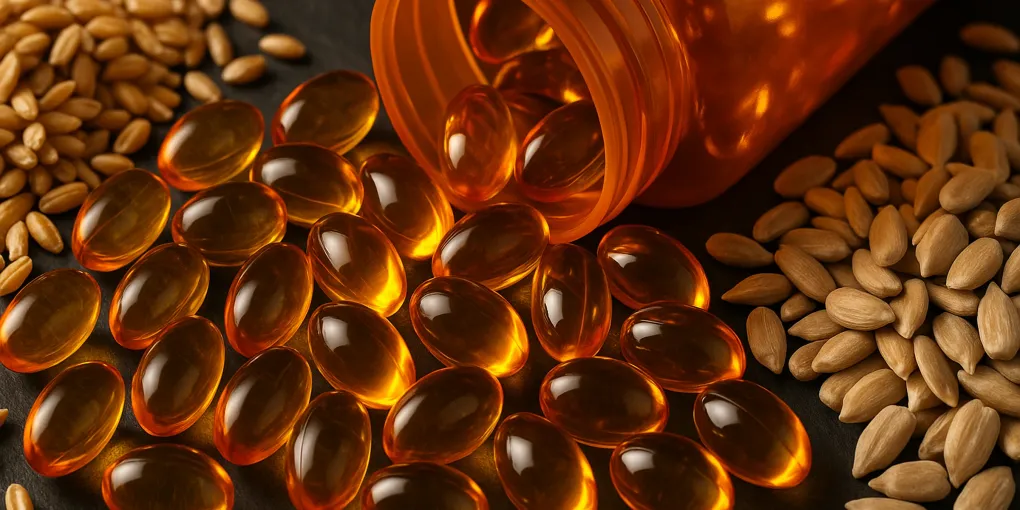
Zesty Paws’ salmon oil combines natural vitamin E (used as a natural preservative and antioxidant) with high EPA and DHA content from wild Alaskan salmon — providing both fat-soluble antioxidant support and the omega-3 fatty acids that independently reduce neuroinflammation, improve coat quality, and support joint health. The liquid pump format mixes invisibly into food.
Key strengths:
- Natural d-alpha-tocopherol vitamin E source — highest bioavailability form
- Liquid format requires no pill administration — virtually universal acceptance when mixed into food
- Combined omega-3 + vitamin E provides synergistic antioxidant and anti-inflammatory support
- Wild-sourced (lower environmental contaminant load than some farmed sources)
- No artificial flavors, colors, or xylitol
Limitations:
- Vitamin E content is not the primary ingredient — omega-3s are the main active; this product is supplemental vitamin E, not therapeutic-dose standalone supplementation
- Requires refrigeration after opening — compliance issue in some households
- Some dogs with fat digestion issues (EPI, IBD) may not tolerate fish oil well
PSR Composite Score Breakdown:
| Criterion | Weight | Score | Weighted |
|---|---|---|---|
| Safety & Ingredients | 25% | 9.0 | 2.25 |
| Durability & Build Quality | 20% | 8.0 | 1.60 |
| Pet Comfort & Acceptance | 20% | 8.5 | 1.70 |
| Value for Money | 20% | 8.0 | 1.60 |
| Ease of Use | 15% | 8.5 | 1.28 |
| PSR Composite | 100% | 8.43 |
Price: ~$22–$35 | Check Price on Amazon
NOW Supplements Vitamin E-400 IU: Best Standalone
NOW Supplements’ natural Vitamin E-400 IU is a human supplement used off-label in dogs with a long track record in veterinary integrative medicine. The natural d-alpha-tocopherol soft gel can be pierced with a pin and squeezed onto food — many senior dogs accept it without noticing. Veterinary consultation on appropriate dosing for your dog’s weight is recommended.
Key strengths:
- Pharmaceutical-grade natural d-alpha-tocopherol — highest bioavailability form
- 400 IU per soft gel is a practical dose for dogs in the 30–80 lb range (confirm with veterinarian)
- No artificial additives in the base formulation (check for added rosemary or other additives in specific lots)
- Very cost-effective per IU compared to dog-specific formulations
Limitations:
- Human supplement used off-label — no canine dosing guidance on label
- Soft gel capsule must be pierced and squeezed onto food or given whole — not all dogs accept capsule administration
- No companion nutrients (no omega-3, no additional antioxidants)
PSR Composite Score Breakdown:
| Criterion | Weight | Score | Weighted |
|---|---|---|---|
| Safety & Ingredients | 25% | 8.5 | 2.13 |
| Durability & Build Quality | 20% | 8.0 | 1.60 |
| Pet Comfort & Acceptance | 20% | 7.5 | 1.50 |
| Value for Money | 20% | 9.0 | 1.80 |
| Ease of Use | 15% | 7.5 | 1.13 |
| PSR Composite | 100% | 8.16 |
Price: ~$10–$18 | Check Price on Amazon
Nutramax Cosequin DS Plus MSM with Vitamin E: Best Combo Formula
Nutramax’s Cosequin DS Plus includes mixed tocopherols (vitamin E) alongside glucosamine, chondroitin, and MSM in a palatable chewable tablet — a practical combination for senior dogs with both arthritis and antioxidant supplementation needs. Joint support and antioxidant defense in a single daily chew.
Key strengths:
- Chewable tablet format — high acceptance, no need to disguise in food
- Combined joint support (glucosamine, chondroitin, MSM) with vitamin E reduces the number of supplements needed
- Nutramax has veterinary trust with decades of clinical use documentation
Limitations:
- Vitamin E content is not a standalone therapeutic dose — this is appropriate for maintenance antioxidant support, not therapeutic vitamin E deficiency correction
- Higher price per dose than standalone vitamin E supplementation
PSR Composite Score Breakdown:
| Criterion | Weight | Score | Weighted |
|---|---|---|---|
| Safety & Ingredients | 25% | 8.5 | 2.13 |
| Durability & Build Quality | 20% | 7.5 | 1.50 |
| Pet Comfort & Acceptance | 20% | 8.5 | 1.70 |
| Value for Money | 20% | 7.5 | 1.50 |
| Ease of Use | 15% | 8.5 | 1.28 |
| PSR Composite | 100% | 8.11 |
Price: ~$28–$45 | Check Price on Amazon
Vetri-Science Canine Plus Senior Multivitamin: Best in a Senior Multi
Vetri-Science’s senior multivitamin includes vitamin E alongside a comprehensive nutrient profile — a practical choice for owners who prefer a complete multivitamin over individual supplement stacking. The soft chew format achieves high compliance rates in senior dogs.
PSR Composite Score Breakdown:
| Criterion | Weight | Score | Weighted |
|---|---|---|---|
| Safety & Ingredients | 25% | 8.0 | 2.00 |
| Durability & Build Quality | 20% | 7.5 | 1.50 |
| Pet Comfort & Acceptance | 20% | 8.5 | 1.70 |
| Value for Money | 20% | 7.5 | 1.50 |
| Ease of Use | 15% | 8.5 | 1.28 |
| PSR Composite | 100% | 7.98 |
Price: ~$18–$30 | Check Price on Amazon
PSR Comparison Table
| Feature | Zesty Paws Salmon Oil | NOW Vitamin E-400 | Nutramax Cosequin + E | Vetri-Science Senior Multi |
|---|---|---|---|---|
| Vitamin E form | Natural d-alpha | Natural d-alpha | Mixed tocopherols | d-alpha tocopheryl acetate |
| Format | Liquid pump | Soft gel capsule | Chewable tablet | Soft chew |
| Co-nutrients | Omega-3 EPA/DHA | None | Glucosamine, MSM | Multivitamin blend |
| Dog formulated | Yes | No (human, off-label) | Yes | Yes |
| Price range | $22–$35 | $10–$18 | $28–$45 | $18–$30 |
| PSR Score | 8.2/10 | 7.9/10 | 7.7/10 | 7.5/10 |
| Best for | Antioxidant + omega-3 | Standalone high-dose E | Joint + antioxidant combo | Complete multivitamin |
Vitamin E in the Senior Dog Supplement Protocol
Synergistic supplements: Vitamin E works synergistically with vitamin C (which regenerates oxidized vitamin E back to its active form) and with omega-3 fatty acids (which provide the anti-inflammatory substrate that vitamin E helps protect from oxidation). Many complete senior supplement protocols include both.
Cognitive support: Vitamin E is one component of the antioxidant approach to CDS management. For more comprehensive cognitive support, consider cognitive supplements that include phosphatidylserine, medium-chain triglycerides, and B vitamins alongside antioxidants.
Skin and coat: Vitamin E supplementation works best for coat and skin quality when combined with omega-3 fish oil and adequate dietary protein. Senior dogs with significant coat quality decline should also be evaluated for hypothyroidism — skin and coat supplements address the nutritional component but not the underlying endocrine cause.
Senior multivitamins: Owners who prefer a single supplement should note that most good senior dog multivitamins include vitamin E alongside vitamin C, B vitamins, and other age-relevant micronutrients — often more practical than managing multiple individual supplements.
Frequently Asked Questions
Does vitamin E benefit senior dogs?
Vitamin E functions as the primary fat-soluble antioxidant in canine physiology, protecting cell membranes from oxidative damage. Studies in aging Beagles (Cotman et al., 2002, Prog Brain Res; PMID: 11820773) demonstrated that antioxidant protocols including vitamin E improved cognitive function. Vitamin E also supports immune function and skin health, both of which decline in senior dogs.
What is the difference between natural and synthetic vitamin E for dogs?
Natural vitamin E (d-alpha-tocopherol) has approximately 2× the bioavailability of synthetic (dl-alpha-tocopherol). Always choose natural (d-alpha) over synthetic (dl-alpha) when supplementing vitamin E specifically. In multivitamins, the difference is less critical as vitamin E is one of many nutrients.
How much vitamin E can a senior dog safely have?
Common supplemental dose ranges are 100–400 IU per day for dogs 20–80 lbs. AAFCO and NRC guidelines suggest a safe upper limit substantially above typical supplemental doses — clinical toxicity is rare but documented at very high sustained doses. Always confirm dosing with your veterinarian, particularly if the dog already receives a vitamin E-containing multivitamin.
Can vitamin E help with my senior dog’s dry skin?
Vitamin E supports skin barrier integrity and reduces oxidative damage to skin lipids. Combined with omega-3 fatty acid supplementation, it provides complementary antioxidant and anti-inflammatory support for skin health. Owner reports consistently describe improved coat quality with consistent supplementation, though large controlled trials specifically in dogs are limited.
Should I give my senior dog vitamin E with food?
Yes — vitamin E is fat-soluble and absorption improves significantly with a fat-containing meal. Oil-based vitamin E is naturally co-administered with dietary fat. Soft gel capsules should be given with regular meals, not between meals or with a low-fat diet component.
Final Verdict
For most senior dogs, Zesty Paws Wild Alaskan Salmon Oil provides the most practical combination of natural vitamin E and omega-3s — dual antioxidant and anti-inflammatory support in a liquid format with near-universal food acceptance. For owners specifically targeting vitamin E supplementation at a meaningful dose, NOW Supplements Vitamin E-400 IU Natural offers pharmaceutical-grade natural tocopherol at the most cost-effective price, used off-label under veterinary guidance.
Vitamin E is one of the best-evidenced micronutrient supplements for cognitive aging in dogs — the research base supporting antioxidant supplementation as a non-pharmacological CDS intervention is among the strongest in veterinary integrative medicine.
Shop Zesty Paws Salmon Oil on Amazon
Frequently Asked Questions
- Vitamin E functions as the primary fat-soluble antioxidant in canine physiology, protecting cell membranes against oxidative damage — a process that accelerates with age. Several studies support its role in aging dogs: Cotman et al. (2002) and Joseph et al. (1998) demonstrated that antioxidant supplementation (including vitamin E) alongside enrichment improved cognitive function in aging Beagles. The 2004 veterinary publication by Milgram et al. in Neurobiology of Aging also showed vitamin E supplementation reduced age-related cognitive decline markers. Vitamin E also supports immune function and skin health, both of which commonly decline in senior dogs.
- Natural vitamin E is labeled d-alpha-tocopherol; synthetic is dl-alpha-tocopherol. The natural form has approximately 2× the bioavailability of the synthetic form in most mammalian species — meaning less natural vitamin E achieves equivalent tissue concentrations. For dogs, the most biologically active forms are d-alpha-tocopherol and mixed natural tocopherols. Always choose natural (d-alpha) over synthetic (dl-alpha) when supplementing vitamin E specifically — the practical difference is less important in complete multivitamins where vitamin E is one of many nutrients.
- Current veterinary guidance (AAFCO, NRC) suggests a safe upper limit for vitamin E in dogs of approximately 1,000 IU per kg of diet (dry matter basis) — substantially above typical supplemental doses. A common supplemental dose range is 100–400 IU per day for dogs 20–80 lbs, often added to food as a soft gel or oil. Vitamin E is fat-soluble, which means it accumulates in tissues with chronic high-dose supplementation. Clinical toxicity in dogs is rare but has been documented at very high sustained doses (>2,000 IU/day). Always confirm dosing with your veterinarian, particularly if the dog is already receiving a vitamin E-containing multivitamin or prescription diet.
- Vitamin E supports skin barrier integrity and reduces oxidative damage to skin lipids — both relevant to age-related skin dryness and coat quality decline. Combined with [omega-3 fatty acid supplementation](/blog/best-omega-3-fish-oil-senior-dogs), vitamin E provides the fat-soluble antioxidant protection to complement omega-3's anti-inflammatory effects on skin. While there is strong mechanistic rationale, large controlled trials specifically in senior dogs for skin outcomes are limited. Owner reports consistently describe improved coat luster and reduced scaliness with consistent supplementation.
- Yes — vitamin E is a fat-soluble vitamin and its absorption is significantly improved when administered with a fat-containing meal. Oil-based liquid vitamin E (salmon oil with vitamin E) is naturally co-administered with dietary fat. Soft gel capsules should be given with regular meals, not between meals or with a low-fat diet component. Dogs on prescription low-fat diets should have vitamin E dosing reviewed by their veterinarian, as the fat content of those diets may affect absorption.