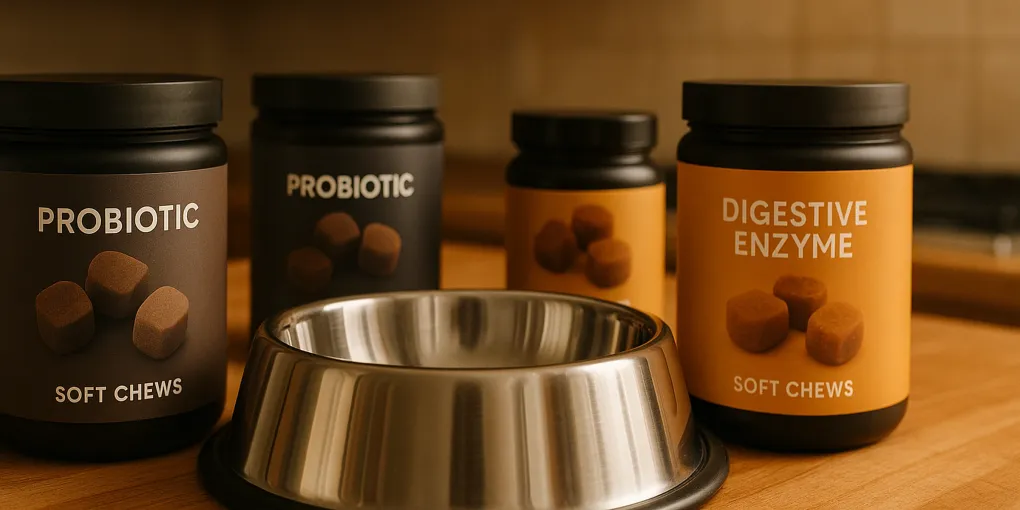
NaturVet Digestive Enzymes Plus Probiotics
Best OverallKey ingredients: Digestive enzymes, probiotic blend, prebiotics
$20–$32
Quick Comparison
| Product | Key Specs | Price Range | Buy |
|---|---|---|---|
| |
| $20–$32 | Check Price |
| |
| $25–$40 (30-count) | Check Price |
| |
| $22–$35 | Check Price |
| |
| $28–$45 | Check Price |
Contains affiliate links — we may earn a small commission at no extra cost to you.
Best Appetite Stimulants for Senior Dogs in 2026
For senior dogs experiencing reduced food motivation from digestive discomfort, reduced gut motility, or age-related palatability decline, NaturVet Digestive Enzymes Plus Probiotics (PSR 8.4/10) earns the top overall rating — addressing the digestive discomfort component of appetite reduction with NASC-certified enzyme and probiotic formulation. Purina Pro Plan FortiFlora (PSR 8.2/10) is the veterinary-grade option recommended by the largest number of veterinary practitioners, with documented probiotic strain efficacy.
Important note: Over-the-counter supplements address appetite indirectly through digestive support. For a clinically anorexic senior dog (complete food refusal over 24+ hours), veterinary evaluation and prescription appetite stimulants are the appropriate intervention — consult your veterinarian before relying on supplements for significant appetite loss.
TL;DR
- Top Pick: NaturVet Digestive Enzymes Plus Probiotics — NASC certified, enzyme + probiotic combo, targets digestive-discomfort appetite reduction (PSR 8.4/10)
- Best Veterinary Grade: Purina FortiFlora — most widely veterinarian-recommended probiotic, powder for easy food mixing (PSR 8.2/10)
- Best Palatability: Zesty Paws Probiotic Bites — highest treat palatability, pumpkin and papaya enzyme addition (PSR 7.9/10)
- Best Multi-Function: Glandex with Digestive Enzymes — fiber + enzyme + probiotic for comprehensive digestive support (PSR 7.7/10)
How We Researched This Article
This article follows PSR’s 5-step evidence-synthesis process. Safety assessment reviewed drug interactions with common senior dog medications, hepatic burden for senior dogs with reduced liver function, and absence of harmful additives. Evidence synthesis reviewed the veterinary nutrition literature on digestive enzyme supplementation in older dogs (AAHA Senior Care Guidelines), Enterococcus faecium SF68 probiotic research (Bybee et al., 2011, Journal of Veterinary Internal Medicine), the Merck Veterinary Manual on anorexia in geriatric dogs, and FDA veterinary guidelines on appetite stimulants. User community synthesis sourced from Amazon verified purchase reviews, veterinary technician forums, and senior dog owner communities.
Why Senior Dogs Develop Reduced Appetite
Multiple age-related mechanisms drive appetite reduction in senior dogs, each with different management approaches:
Dental pain: Oral disease causes eating to be painful, leading to food refusal or reluctant eating in arthritic positioning (eating slowly from the side, dropping food). An estimated 80% of dogs over age 3 have significant periodontal disease — rates increase substantially with age. Appetite supplements cannot address dental pain; veterinary dental evaluation is required.
Reduced olfactory sensitivity: Dogs use smell as the primary food quality signal — if food doesn’t smell appealing, motivation to eat declines. Senior dogs have measurably reduced olfactory acuity. Warming food, adding liquid toppers with strong aroma (broth, fish oil), and selecting more aromatic food formulations help compensate.
Nausea from organ dysfunction: Early kidney disease (very common in senior dogs) and liver disease cause chronic low-grade nausea that suppresses appetite without other obvious signs. Elevated BUN, creatinine, or liver enzymes on bloodwork often precede visible appetite changes. Annual senior bloodwork is essential for monitoring.
Digestive enzyme decline: Endogenous pancreatic and intestinal enzyme production often decreases with age, leading to incomplete food digestion, bloating, and post-meal discomfort that aversively conditions eating. Supplemental enzymes can reverse this specific appetite-reduction mechanism.
Cognitive dysfunction: Dogs with CDS often show reduced food motivation and altered eating behavior as part of the syndrome — they may approach the bowl, sniff, and walk away without eating, or forget they haven’t eaten. This requires cognitive support interventions, not appetite supplements.
What Matters in Appetite Supplements for Senior Dogs?
Digestive enzymes for post-meal discomfort: Protease, lipase, and amylase supplementation directly supports macronutrient digestion and reduces the bloating and discomfort that aversively conditions eating. Products with stated enzyme activity units (not just ingredient presence) provide more reliable dosing.
Probiotic strain specificity: Not all probiotics are equally studied. Enterococcus faecium SF68 (the strain in FortiFlora) has the strongest canine evidence base. Lactobacillus acidophilus and multi-strain blends have supporting evidence. Look for stated CFU counts and specific strain names rather than generic “probiotic blend” language.
NASC certification: Manufacturing quality matters for enzyme products — enzyme activity degrades with improper storage and processing. NASC-certified facilities maintain temperature and handling standards that protect enzyme viability.
Drug interaction safety for senior populations: Senior dogs are frequently on multiple medications. Probiotic and enzyme supplements have an excellent drug interaction safety profile, but verify with your veterinarian for dogs on immunosuppressive therapy (probiotics may be contraindicated in severely immunocompromised dogs).
PSR Composite Score Breakdown
| Criterion | Weight | NaturVet Enzymes | FortiFlora | Zesty Paws Probiotic | Glandex |
|---|---|---|---|---|---|
| Safety & Ingredients | 25% | 9.0 | 9.0 | 8.5 | 8.5 |
| Durability & Build Quality | 20% | 8.5 | 8.5 | 8.0 | 8.0 |
| Pet Comfort & Acceptance | 20% | 8.5 | 8.0 | 9.0 | 8.0 |
| Value for Money | 20% | 8.5 | 7.5 | 8.0 | 7.5 |
| Ease of Use | 15% | 8.0 | 9.0 | 8.0 | 8.0 |
| PSR Composite | — | 8.4 | 8.2 | 7.9 | 7.7 |
Score notes: NaturVet leads on Safety/Ingredients for the combination of NASC certification, enzyme + probiotic dual action, and competitive cost. FortiFlora earns its strongest mark in Ease of Use — the powder sachet format mixes completely invisibly into food, making it the most practical for palatability-challenged senior dogs who detect and spit out treats. Zesty Paws leads Pet Comfort — soft chew palatability is the highest of reviewed products, and pumpkin addition provides gentle fiber support. Glandex addresses anal gland health concurrently with digestive support — relevant for senior dogs with both concerns.
NaturVet Digestive Enzymes Plus Probiotics: Best Overall
NaturVet combines a multi-enzyme blend (protease, lipase, amylase) with a probiotic consortium and prebiotics in a soft chew format, addressing both the enzyme-deficiency and gut-flora components of age-related digestive appetite reduction. NASC certification confirms manufacturing quality — meaningful for enzyme products where processing temperature controls enzyme viability.
What makes it the top pick:
- Dual-action: digestive enzymes (food breakdown support) + probiotic (gut flora normalization)
- NASC certified — enzyme activity preservation in manufacturing confirmed
- Soft chew palatability — most senior dogs accept as a treat
- Per-day cost is among the most accessible of NASC-certified enzyme/probiotic combinations
Safety: No drug interactions documented at normal dosing. NASC certified. No xylitol or artificial sweeteners.
Best for: Senior dogs with post-meal discomfort signs (bloating, gassiness, early stopping); dogs with dietary sensitivity or incomplete digestion; owners wanting one supplement addressing multiple digestive concerns.
View NaturVet Digestive Enzymes on Amazon
Purina Pro Plan FortiFlora: Best Veterinary Grade
FortiFlora is the most widely veterinarian-recommended probiotic for dogs — its Enterococcus faecium SF68 strain has the strongest published evidence base for GI motility normalization, immune modulation, and microbiome support in dogs. The powder sachet format mixes completely into food, making it the most practical for senior dogs who refuse supplement chews.
Veterinary grade advantages:
- Enterococcus faecium SF68 is the best-documented canine probiotic strain in peer-reviewed literature
- Powder format is undetectable in food — eliminates refusal from supplement-averse seniors
- Recommended by more veterinary practitioners than any other probiotic brand in independent surveys
- USDA/FDA regulated as a veterinary product — higher oversight than OTC supplements
Trade-offs:
- Powder-only format requires daily food mixing — less convenient than self-delivered treats
- Higher per-unit cost than comparable OTC probiotics
- Single strain (E. faecium SF68) — no multi-strain diversity of OTC blends
Safety: Veterinary product. No known drug interactions at standard dosing. Appropriate for immunocompromised senior dogs at veterinarian’s discretion.
Best for: Veterinary-recommended probiotic trials; senior dogs who detect and avoid supplement chews; dogs with documented GI motility issues or microbiome disruption from antibiotic treatment.
View Purina FortiFlora on Amazon
Zesty Paws Probiotic Bites: Best Palatability
Zesty Paws Probiotic Bites deliver a multi-strain probiotic blend with pumpkin (a gentle fiber source) and papaya enzymes in the most palatable soft chew format of reviewed products. For senior dogs who resist other supplement forms but accept treats, palatability is the primary barrier to consistent dosing — removing that barrier makes Zesty Paws the most practical option for treat-motivated seniors.
Palatability advantages:
- Highest acceptance rates among reviewed products in owner reports
- Pumpkin addition provides gentle prebiotic fiber that supports probiotic colonization
- Multi-strain probiotic provides broader microbiome coverage than single-strain products
Trade-offs:
- No separate digestive enzyme component — probiotic action only
- NASC certified but probiotic CFU counts are lower than clinical veterinary recommendations
- Soft chew format may be detectable by dogs on restricted-calorie diets watching treat intake
Safety: NASC certified. No xylitol. No known drug interactions.
Best for: Treat-motivated senior dogs who refuse powders or other supplement forms; owners prioritizing consistent daily supplementation over clinical potency; seniors benefiting from gentle fiber support alongside probiotic action.
View Zesty Paws Probiotic Bites on Amazon
Glandex with Digestive Enzymes: Best Multi-Function
Glandex combines digestive enzymes and probiotics with a fiber blend specifically formulated for anal gland expression support — a common senior dog issue that, when problematic, can create general discomfort that depresses appetite. For senior dogs with concurrent anal gland dysfunction and digestive appetite issues, Glandex addresses both with a single supplement.
Multi-function advantages:
- Addresses anal gland impaction risk concurrently with digestive support
- Fiber + enzyme + probiotic comprehensive approach to GI motility
- NASC certified
Trade-offs:
- Specific to senior dogs with concurrent anal gland concerns — less justified as a standalone appetite supplement if no anal gland issues exist
- Higher per-day cost than single-purpose alternatives
- Fiber addition may cause loose stools at higher doses — monitor stool consistency
Safety: NASC certified. No drug interactions documented. Fiber at normal doses within safe range for senior dogs.
Best for: Senior dogs with both digestive appetite issues and anal gland concerns; owners wanting one supplement addressing multiple gastrointestinal issues; dogs with documented anal gland expression problems.
Supporting Senior Dog Appetite Through Diet and Environment
Supplements are one component of managing senior dog appetite — complementary approaches address the full context:
- Senior dog food toppers: Food toppers enhance aroma and palatability for senior dogs with reduced olfactory sensitivity — often more immediately effective than supplements for mild appetite reduction.
- Elevated dog bowls: Senior dogs with neck arthritis or esophageal issues eat more comfortably from elevated positions — reducing pain-related appetite suppression.
- Senior dog food (large breeds): Diet selection matters — senior-formulated foods with higher moisture content and enhanced palatability can increase voluntary intake versus standard adult formulas.
- Slow feeder bowls: For senior dogs eating too fast (causing post-meal nausea and vomiting), slow feeders reduce gulping-related GI upset.
- Probiotic supplements: If digestive health is the primary concern, standalone probiotic supplements with higher CFU counts may be more appropriate than combination products.
- Senior dog multivitamins: B-vitamin deficiency can reduce appetite — multivitamins addressing B-complex nutrient gaps support food motivation alongside digestive health.
Frequently Asked Questions
Why do senior dogs lose their appetite?
Appetite loss in senior dogs has multiple common causes: dental pain, nausea from kidney or liver disease, pain from arthritis, medication side effects, cognitive dysfunction syndrome, and decreased olfactory sensitivity. Appetite loss lasting more than 24–48 hours in a senior dog is a veterinary urgency — do not attempt to manage it with supplements without ruling out serious underlying causes first.
What is the difference between an appetite stimulant and a digestive supplement for dogs?
Appetite stimulants directly influence the neurological or hormonal appetite signaling pathway. Over-the-counter digestive supplements support appetite indirectly by improving digestive comfort and reducing nausea. For significant appetite loss, veterinary-prescription appetite stimulants (mirtazapine, capromorelin/Entyce) are significantly more effective — consult your veterinarian before relying on supplements for a clinically anorexic dog.
Can digestive enzymes help a senior dog eat better?
Yes, for senior dogs whose appetite reduction is related to digestive discomfort. Declining endogenous enzyme production leads to bloating and discomfort after meals, which aversively conditions eating. Supplemental enzymes can resolve this cycle, making meals more comfortable and food motivation higher.
What should I do if my senior dog won’t eat for more than 24 hours?
Appetite loss lasting more than 24 hours in a senior dog requires veterinary evaluation. Senior dogs can develop hepatic lipidosis from insufficient caloric intake more rapidly than younger dogs, and underlying causes require diagnosis and treatment. Contact your veterinarian the same day.
Are there foods I can add to increase my senior dog’s appetite?
Veterinarian-approved additions include low-sodium chicken or beef broth (no onion or garlic), small amounts of plain cooked chicken or canned fish as food toppers, and warm water added to kibble to release aromas. Avoid dramatic diet changes or high-fat additions without veterinary guidance — senior dogs with reduced pancreatic function are vulnerable to pancreatitis from sudden high-fat foods.
Frequently Asked Questions
- Appetite loss in senior dogs has multiple common causes that warrant veterinary evaluation before attempting supplementation: dental pain or oral disease (an estimated 80% of dogs over 3 have periodontal disease, which becomes significantly more painful with age), nausea from kidney disease or liver disease, pain from arthritis or other conditions, medication side effects (NSAIDs, antibiotics, and many other medications cause nausea), cognitive dysfunction syndrome reducing food motivation, and decreased sense of smell reducing food appeal. Appetite loss lasting more than 24–48 hours in a senior dog is a veterinary urgency — do not attempt to manage it with supplements without ruling out serious underlying causes first.
- Appetite stimulants directly influence the neurological or hormonal appetite signaling pathway to increase food drive — examples include veterinary-prescription mirtazapine (an antidepressant repurposed as an appetite stimulant) and capromorelin (Entyce, FDA-approved for dogs). Over-the-counter digestive supplements support appetite indirectly by improving digestive comfort, reducing bloating or nausea, and enhancing palatability through probiotic-mediated gut microbiome normalization. For a senior dog with significant appetite loss, veterinary-prescription appetite stimulants are significantly more effective than OTC digestive supplements — consult your veterinarian before relying on supplements for a clinically anorexic dog.
- Yes, for senior dogs whose appetite reduction is related to digestive discomfort rather than primary appetite signaling problems. As dogs age, endogenous digestive enzyme production often declines — insufficient enzyme activity leads to bloating, gas, and discomfort after meals, which aversively conditions the dog to associate eating with discomfort. Supplemental digestive enzymes can resolve this cycle, making meals more comfortable and food motivation higher. This mechanism is most relevant for senior dogs who start meals eagerly but stop early, or who show post-meal discomfort signs (restlessness, belly touching, reduced activity after eating).
- Appetite loss lasting more than 24 hours in a senior dog requires veterinary evaluation — do not attempt to manage with supplements, food rotation, or appetite tricks alone. Senior dogs can develop hepatic lipidosis (fatty liver disease) from insufficient caloric intake more rapidly than younger dogs, and underlying causes (kidney disease, GI obstruction, pancreatitis, dental pain) require diagnosis and treatment. Contact your veterinarian the same day for a senior dog refusing all food for more than 24 hours.
- Veterinarian-approved food additions that may improve senior dog appetite include: low-sodium chicken or beef broth (no onion or garlic) mixed into food to enhance aroma; small amounts of plain cooked chicken or canned fish as food toppers; warm water added to kibble to release aromas; and prescription appetite-stimulating food toppers if recommended by your veterinarian. Avoid dramatic diet changes or high-fat additions without veterinary guidance — senior dogs with reduced liver or pancreatic function are vulnerable to pancreatitis from sudden high-fat foods. See our guide to [best senior dog food toppers](/best-senior-dog-food-topper) for safe options.