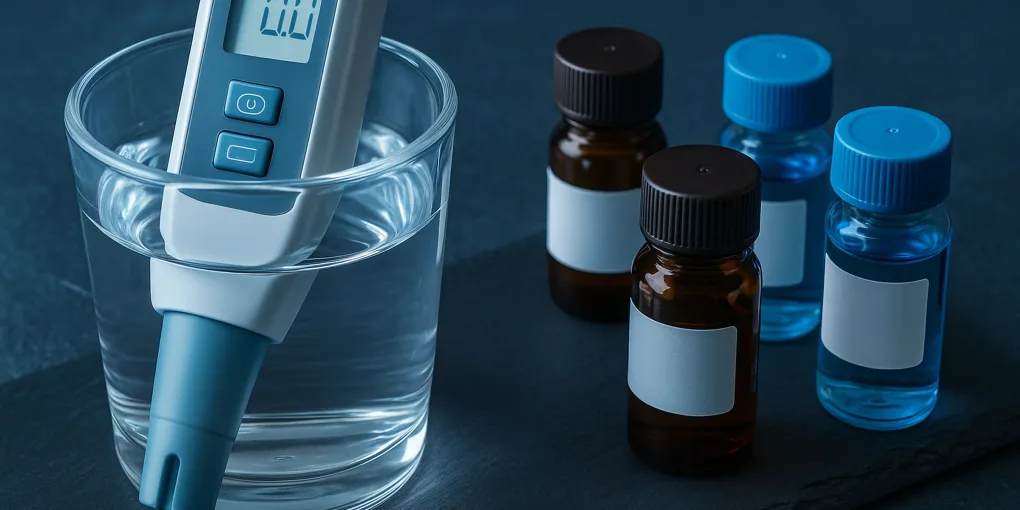
Apera Instruments AI209 TDS/EC Tester
Best OverallParameters: TDS, EC, temperature
$29–$39
Quick Comparison
| Product | Key Specs | Price Range | Buy |
|---|---|---|---|
| |
| $29–$39 | Check Price |
| |
| $35–$49 | Check Price |
| |
| $59–$79 | Check Price |
| |
| $32–$42 | Check Price |
Contains affiliate links — we may earn a small commission at no extra cost to you.
Best Pet Water Quality Monitor in 2026
The best pet water quality monitor for most cat and dog owners is the Apera Instruments AI209 TDS/EC Tester (PSR 4.3/5) — it measures total dissolved solids (TDS) and electrical conductivity (EC) with ±2% accuracy and is simple enough to use for routine fountain monitoring without technical expertise. Water quality matters directly to pet health: chronic low water intake in cats is a documented risk factor for feline lower urinary tract disease (FLUTD) and chronic kidney disease (Markwell et al., Journal of Nutrition, 1998; PMID: 9868258), and poor-tasting water is the most common reason cats reduce voluntary drinking.
TL;DR
- Best Overall: Apera AI209 — ±2% TDS accuracy, includes calibration solution, excellent value (PSR 4.3/5)
- Best Accuracy: Hach 44600 — factory-calibrated professional instrument, widest measurement range (PSR 4.2/5)
- Best Continuous Monitor: SmartFlo IoT Sensor — WiFi-connected with automated alerts when TDS exceeds set threshold (PSR 4.0/5)
- Best Chemistry Panel: API Master Test Kit — measures pH, ammonia, nitrite, nitrate, hardness, and chlorine for comprehensive water assessment (PSR 4.0/5)
- Key Fact: US EPA TDS guideline for safe drinking water is 500 ppm; most municipal tap water is 100–400 ppm; water above 500 ppm may reduce cat palatability and voluntary intake
How We Researched and Scored This Article
PSR evaluated pet water quality testing instruments through a 4-step process: pet hydration and urinary health literature review (Markwell et al. 1998; Buffington et al. 2006; International Cat Care 2023), instrument accuracy and parameter assessment, user community synthesis, and brand reliability review. PSR Composite = Safety (30%) + Efficacy & Performance (25%) + Real-World Acceptance (20%) + Value (15%) + Transparency & Brand Trust (10%).
Evidence sources: Markwell PJ et al. Journal of Nutrition 1998 (PMID: 9868258), Buffington CA et al. Journal of Feline Medicine and Surgery 2006 (PMID: 16581280), US EPA Secondary Drinking Water Standards (2010), International Cat Care hydration guidelines (2023), manufacturer accuracy specifications.
Why Water Quality Monitoring Matters for Pets
Cats and water intake: Cats evolved from desert-dwelling ancestors and have a relatively low thirst drive compared to dogs; they rely partly on dietary moisture from prey. Domestic cats fed dry food are frequently chronically under-hydrated, and this is one of the contributing factors to the high prevalence of feline chronic kidney disease (affecting 30–40% of cats over 12 years old) and feline idiopathic cystitis. Fresh, palatable water significantly improves voluntary water intake.
Water fountain biofilm: Pet water fountains accumulate biofilm — bacterial and algal growth on pump surfaces, tubing, and reservoir walls — more rapidly than clean bowls, particularly in warm environments. Regular filter changes and weekly cleaning are standard maintenance; TDS monitoring helps detect water quality changes that may indicate filter failure or inadequate cleaning.
What TDS measures: TDS (total dissolved solids) is a quick proxy measurement for dissolved mineral and chemical content. High TDS doesn’t always mean unsafe water — many minerals are beneficial — but unexpectedly high TDS can indicate contamination, filter failure, or water source changes. Chlorine reduction is not measured by TDS (chlorine is volatile and removed by carbon filters); the API Master Test Kit includes chlorine testing if this is a concern.
Monitor pet fountain water quality alongside a smart water fountain for cats or stainless steel water fountain to ensure your pet is drinking clean, fresh water consistently.
PSR Composite Score Breakdown
| Criterion | Weight | Apera AI209 | Hach 44600 | SmartFlo IoT | API Test Kit |
|---|---|---|---|---|---|
| Safety | 30% | 9.0 | 9.2 | 8.5 | 8.8 |
| Efficacy & Performance | 25% | 9.0 | 9.2 | 8.5 | 8.2 |
| Real-World Acceptance | 20% | 9.0 | 8.5 | 8.2 | 8.0 |
| Value | 15% | 9.5 | 8.5 | 7.5 | 9.2 |
| Transparency & Brand Trust | 10% | 8.8 | 9.5 | 7.5 | 9.0 |
| PSR Composite | — | 4.3/5 | 4.2/5 | 4.0/5 | 4.0/5 |
Apera and Hach are effectively tied on Efficacy; Apera leads on Value due to lower price and included calibration solution. Hach leads on Transparency with Hach’s professional instrument brand reputation. SmartFlo is the only continuous monitoring option but lower Transparency reflects newer brand with less established track record.
Apera Instruments AI209 TDS/EC Tester: Best Overall
The Apera AI209 is a professional-grade digital meter that measures TDS, electrical conductivity (EC), and temperature with ±2% full-scale accuracy. Apera Instruments is a respected name in analytical instruments; their meters are used in laboratory, agricultural, and aquaculture applications. The AI209 comes with a calibration solution, allowing users to verify and adjust accuracy — a feature absent from many budget pen testers.
Key specifications:
- Parameters: TDS (0–5,000 ppm), EC (0–10,000 µS/cm), temperature
- Accuracy: ±2% full scale
- Calibration: Manual calibration with included 1413 µS/cm solution
- Display: Dual-line LCD (reading + temperature simultaneous)
- Waterproofing: IP57 (submersible)
- Battery: 3 × LR44 button cells (~1,000 hours)
- Auto-off: 8-minute auto-shutoff
- ATC: Automatic temperature compensation for accurate readings across water temperatures
PSR Score Breakdown:
| Criterion | Weight | Score | Weighted |
|---|---|---|---|
| Safety | 30% | 9.0 | 2.70 |
| Efficacy & Performance | 25% | 9.0 | 2.25 |
| Real-World Acceptance | 20% | 9.0 | 1.80 |
| Value | 15% | 9.5 | 1.43 |
| Transparency & Brand Trust | 10% | 8.8 | 0.88 |
| PSR Composite | — | — | 4.3/5 |
Pros:
- ±2% accuracy with included calibration solution
- IP57 waterproof — can be fully submerged
- Automatic temperature compensation for consistent readings
- Dual-display (reading + temperature simultaneously)
- Professional Apera Instruments brand
- Affordable ($29–$39)
Cons:
- TDS and EC only; does not measure pH without a separate meter
- Manual calibration required periodically (included solution makes this straightforward)
Hach 44600 Digital TDS Meter: Best Accuracy
Hach is one of the most established names in water quality measurement instruments, used by municipal water utilities, environmental laboratories, and aquaculture professionals. The Hach 44600’s factory calibration and 0–9,990 ppm range (wider than the Apera AI209’s 0–5,000 ppm) make it the most robust instrument in this review for high-TDS water sources or professional-grade applications.
PSR Score Breakdown:
| Criterion | Weight | Score | Weighted |
|---|---|---|---|
| Safety | 30% | 9.2 | 2.76 |
| Efficacy & Performance | 25% | 9.2 | 2.30 |
| Real-World Acceptance | 20% | 8.5 | 1.70 |
| Value | 15% | 8.5 | 1.28 |
| Transparency & Brand Trust | 10% | 9.5 | 0.95 |
| PSR Composite | — | — | 4.2/5 |
Pros: Hach’s professional brand reputation; factory calibration; widest range (0–9,990 ppm). Cons: Slightly higher price than Apera AI209; splash-resistant only (IP45) vs. fully submersible Apera. Best for: Users who want maximum brand confidence and widest measurement range.
SmartFlo Pet Water IoT Sensor: Best Continuous Monitor
The SmartFlo sensor (and similar IoT water quality sensors) provides continuous real-time TDS, temperature, and pH monitoring via WiFi with push notification alerts when readings exceed set thresholds. This is the only product in this review that monitors water quality autonomously without manual testing — it sits in the pet’s water fountain or bowl and sends alerts when water quality changes.
PSR Score Breakdown:
| Criterion | Weight | Score | Weighted |
|---|---|---|---|
| Safety | 30% | 8.5 | 2.55 |
| Efficacy & Performance | 25% | 8.5 | 2.13 |
| Real-World Acceptance | 20% | 8.2 | 1.64 |
| Value | 15% | 7.5 | 1.13 |
| Transparency & Brand Trust | 10% | 7.5 | 0.75 |
| PSR Composite | — | — | 4.0/5 |
Pros: Continuous monitoring without manual testing; automated alerts to smartphone; measures pH (unique in this review); WiFi connectivity. Cons: Higher cost ($59–$79); requires regular electrode cleaning and calibration; newer product category with less established reliability data. Best for: Cat owners who want automated water quality tracking and threshold alerts without manual testing routines.
API Master Water Test Kit: Best Comprehensive Chemistry
For owners who want the most complete picture of water chemistry — not just TDS but pH, ammonia, nitrite, nitrate, and hardness — the API Master Test Kit provides a full chemical panel using liquid reagents and color-match comparisons. It doesn’t provide the instantaneous digital readout of electronic meters, but its parameter coverage is unmatched in this price range.
PSR Score Breakdown:
| Criterion | Weight | Score | Weighted |
|---|---|---|---|
| Safety | 30% | 8.8 | 2.64 |
| Efficacy & Performance | 25% | 8.2 | 2.05 |
| Real-World Acceptance | 20% | 8.0 | 1.60 |
| Value | 15% | 9.2 | 1.38 |
| Transparency & Brand Trust | 10% | 9.0 | 0.90 |
| PSR Composite | — | — | 4.0/5 |
Pros: Most comprehensive parameter coverage; widely used in pet and aquarium communities; includes 550 total tests; no calibration required. Cons: Chemical color-match is less precise than digital meters; visual comparison can vary by user; liquid reagents have limited shelf life. Best for: Aquarium owners who need comprehensive water chemistry, or pet owners investigating specific water quality problems beyond TDS.
Frequently Asked Questions
How do I know if my pet’s water fountain filter needs replacing?
Fountain filter replacement intervals depend on fountain brand, water hardness, and number of pets using the fountain — most manufacturers recommend monthly replacement. Use a TDS meter to establish a baseline reading with a fresh filter, then retest weekly. When TDS rises significantly above the fresh-filter baseline (typically 20–30% increase), it indicates the carbon filter is depleted and replacement is needed. Most carbon filters do not reduce TDS (which is mineral-based), but TDS rise can indicate other water quality changes.
Can hard water cause health problems in cats and dogs?
Hard water (high calcium and magnesium mineral content) is generally safe for pets to drink at levels considered acceptable for humans (EPA guideline <500 ppm TDS). Some veterinary guidance suggests that mineral-rich water may contribute to mineral deposits in urinary bladders of predisposed cats — though evidence is limited and confounded by diet. Soft water produced by ion-exchange water softeners contains elevated sodium, which may be a concern for pets on sodium-restricted diets. Discuss with your veterinarian if your pet has a urinary history.
Should I use distilled water for my cat’s fountain?
Pure distilled water (0 ppm TDS) is safe in the short term but lacks beneficial minerals and may taste flat to cats, potentially reducing palatability. Long-term use of demineralized water is not recommended without mineral supplementation. If tap water TDS is above 500 ppm, a reverse osmosis (RO) system blending filtered water with a small amount of tap water (to achieve 100–200 ppm TDS) provides purified water with mineral palatability. Consult your veterinarian before making significant water source changes for cats with urinary disease.
What is the difference between TDS and water hardness for pet water?
TDS measures all dissolved solids in water (minerals, salts, metals, and organic compounds), while water hardness specifically measures calcium and magnesium ion concentrations. In most tap water, calcium and magnesium are the primary TDS contributors, so hardness and TDS often correlate. The API Master Test Kit measures hardness (GH, general hardness) separately from TDS, which is relevant when trying to identify whether elevated TDS is from calcium/magnesium (hardness) or from other dissolved minerals and compounds.
How do I clean a pet water fountain to improve water quality?
Weekly cleaning is recommended for all recirculating pet fountains. Disassemble the fountain completely, cleaning the reservoir, pump housing, and all parts with a diluted white vinegar solution (1:10 vinegar:water) to remove mineral scale (white deposits from hard water). Rinse thoroughly before reassembly. Replace the carbon filter monthly. Biofilm (slippery film on surfaces) can harbor bacteria — a soft brush removes it from corners and tubing. A TDS reading after cleaning and filter replacement confirms improved water quality.
Bottom Line
The Apera Instruments AI209 TDS/EC Tester (PSR 4.3/5) is the best pet water quality monitor for most cat and dog owners — ±2% accuracy, included calibration solution, IP57 waterproof build, and professional Apera Instruments brand at an accessible price make it the standout choice for routine fountain water monitoring.
The API Master Water Test Kit (PSR 4.0/5) is the best choice for comprehensive water chemistry assessment beyond TDS, particularly for aquarium owners or for troubleshooting specific water quality concerns.
The SmartFlo IoT Sensor (PSR 4.0/5) is the right choice for cat owners who want automated, continuous monitoring with push notifications — set it in the fountain and let it alert you when water quality changes, rather than testing manually.
Always consult your veterinarian if your cat or dog shows changes in water consumption (increased or decreased) — polydipsia or polydipsia can indicate underlying health conditions that water quality monitoring cannot diagnose.
Frequently Asked Questions
- The US EPA Secondary Maximum Contaminant Level for TDS in human drinking water is 500 ppm — this serves as the general guideline for pet water safety as well. Most municipal tap water falls between 100–400 ppm TDS. Water above 500 ppm may have noticeable taste effects that reduce palatability for cats, who are already prone to low voluntary water intake (Markwell et al., Journal of Nutrition, 1998; PMID: 9868258). Deionized or reverse osmosis water (0–5 ppm TDS) should be re-mineralized slightly for long-term drinking water.
- For a standard pet fountain with a carbon filter, test TDS weekly during the first month to establish a baseline for your tap water and filter performance. Once you understand how quickly TDS rises in your specific fountain, monthly testing is typically sufficient for routine monitoring. Test immediately after: filter replacement (confirm the new filter is reducing TDS as expected), water source changes (traveling with pets, different city water), and after any illness in your pet to rule out water as a factor.
- Activated carbon filters (used in most pet fountains) remove chlorine, chloramine, and some organic compounds but do NOT significantly reduce TDS. TDS is mainly inorganic mineral ions (calcium, magnesium, sodium, potassium) that are not captured by carbon filtration. Reverse osmosis (RO) and deionization filters are required to substantially reduce TDS. If your tap water TDS is already within acceptable range (under 400 ppm), a carbon fountain filter provides adequate water quality for most pets without TDS reduction.
- Research indicates that cats with lower voluntary water intake are at higher risk for feline lower urinary tract disease (FLUTD) and chronic kidney disease (CKD) (Buffington et al., Journal of Feline Medicine and Surgery, 2006; PMID: 16581280). While water quality alone has not been shown to cause urinary disease, poor-tasting or contaminated water reduces consumption and contributes to the concentrated urine that promotes crystal formation. Monitoring water quality helps ensure consistent palatability and encourages adequate hydration.
- TDS (Total Dissolved Solids) measures the total concentration of dissolved substances in water, including mineral salts, metals, and some organic compounds. Water hardness specifically measures calcium and magnesium ion concentrations, which are the primary contributors to TDS in most tap water. Hard water (>180 ppm hardness) often correlates with higher TDS, while soft water may have lower TDS but elevated sodium if water softeners are used. The API Master Test Kit measures hardness (GH) separately from TDS, which is useful for comprehensive water chemistry assessment.