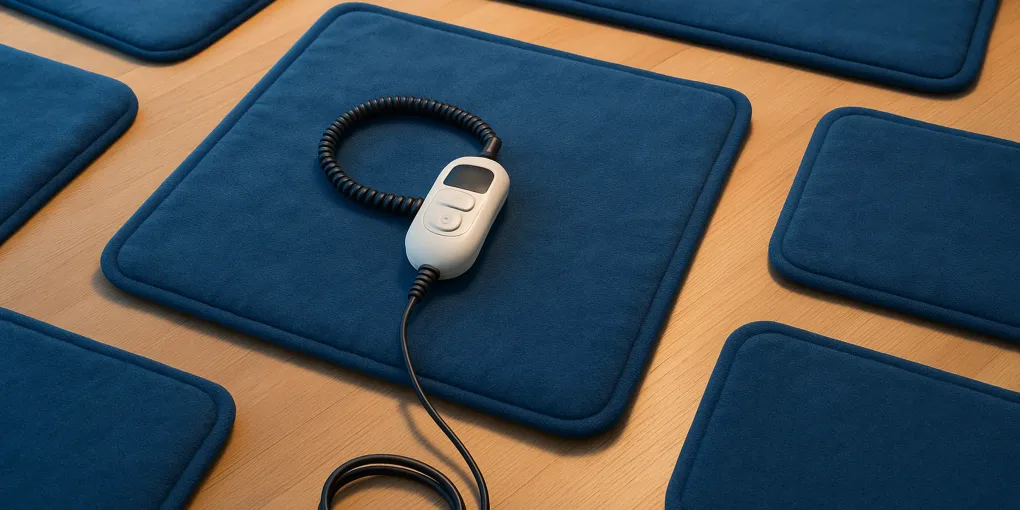
K&H Pet Products Thermo-Snuggly Sleeper
Best OverallMax surface temperature: ~102°F (thermostatically regulated)
$45–$65
Quick Comparison
| Product | Key Specs | Price Range | Buy |
|---|---|---|---|
| |
| $45–$65 | Check Price |
| |
| $20–$30 | Check Price |
| |
| $18–$30 | Check Price |
| |
| $25–$40 | Check Price |
Contains affiliate links — we may earn a small commission at no extra cost to you.
Best Heating Pads for Dogs in 2026
For arthritic and senior dogs benefiting from heat therapy, K&H Thermo-Snuggly Sleeper (PSR 8.3/10) earns the top overall rating — thermostatically regulated to safe canine body temperature, with a steel-wrapped cord that eliminates the primary electrical safety concern for dogs left with cords. The Snuggle Safe Microwave Disc (PSR 8.0/10) is the safest option for dogs that chew, as it requires no electricity or cord.
Critical safety note: Never use a human heating pad on a dog. Human pads reach 140–170°F — far above the 102–104°F safe maximum for continuous dog contact. Burns can develop under thick fur without external signs until severe.
TL;DR
- Top Pick: K&H Thermo-Snuggly Sleeper — thermostat-regulated temperature, steel-wrapped cord, machine-washable (PSR 8.3/10)
- Best No-Cord Safety: Snuggle Safe Disc — no electricity, no cord, microwave-activated, safe temperature ceiling (PSR 8.0/10)
- Best Outdoor: Farm Innovators P-20 — waterproof, thermostatically regulated, chew-resistant cord for outdoor dog areas (PSR 7.6/10)
- Best Budget Electric: Sunbeam Pet — 2-hour shutoff, washable cover, lowest price for corded electric (PSR 7.4/10)
How We Researched This Article
This article follows PSR’s 5-step evidence-synthesis process. Safety assessment reviewed surface temperature ranges at all settings, auto-shutoff mechanism reliability, cord construction (chew resistance), and burn risk documentation from consumer product safety databases. Evidence synthesis reviewed veterinary physical therapy literature on thermal modalities for canine osteoarthritis (Millis & Levine, Canine Rehabilitation and Physical Therapy), AVMA guidelines on thermal therapy use in companion animals, and the veterinary thermotherapy research on circulation effects of localized heat in aging dogs. User community synthesis sourced from Amazon verified purchase reviews, senior dog owner forums, and veterinary rehabilitation therapist professional communities.
Why Heat Therapy Helps Arthritic Dogs
Heat therapy targets the physical mechanisms underlying chronic joint pain and muscle stiffness:
Circulation improvement: Localized heat causes vasodilation — increased blood flow to the treated area brings oxygen and nutrients to arthritic tissues and helps clear inflammatory mediators. Senior dogs often have baseline circulatory reduction in extremities; heat therapy counteracts this locally.
Muscle relaxation: Muscle spasm around arthritic joints is a protective response but creates additional pain and movement restriction. Heat reduces muscle spindle sensitivity and promotes relaxation of periarticular muscles, often providing immediate reduction in guarding behavior.
Tissue extensibility: Collagen and other connective tissue components become more extensible at warm temperatures — applying heat before stretching or range-of-motion exercises improves flexibility gains and reduces the pain associated with movement after long rest periods (the morning stiffness pattern seen in arthritic dogs).
Pain gate mechanism: Heat stimulates large-diameter thermal nerve fibers that compete with pain signal transmission in the dorsal horn — a neurological gating effect that reduces pain perception without medications.
The Critical Safety Differences Between Pet and Human Heating Pads
| Feature | Human Heating Pads | Safe Pet Heating Pads |
|---|---|---|
| Max temperature | 140–170°F | 102–104°F (thermostat limit) |
| Designed for continuous use | No — timed sessions | Yes (thermostatically regulated) |
| Cord protection | Standard | Steel-wrapped or chew-resistant |
| Auto-shutoff | 20–30 min timer | Thermostat (temperature-based) |
| Burns risk under fur | High | Minimized by temperature limit |
The core difference: a thermostatically regulated pet pad stops heating when the dog’s contact surface reaches 102°F — the pad cannot overheat because it stops generating heat at the safe ceiling. A timer-shutoff design (including most human pads) can overheat during the window before shutoff, particularly if the dog is lying on an insulated surface that traps heat.
PSR Composite Score Breakdown
| Criterion | Weight | K&H Thermo | Snuggle Safe | Farm Innovators | Sunbeam Pet |
|---|---|---|---|---|---|
| Safety & Ingredients | 25% | 9.0 | 9.5 | 8.5 | 7.5 |
| Durability & Build Quality | 20% | 8.5 | 8.5 | 8.5 | 7.5 |
| Pet Comfort & Acceptance | 20% | 9.0 | 8.0 | 7.5 | 7.5 |
| Value for Money | 20% | 7.5 | 8.5 | 8.0 | 9.0 |
| Ease of Use | 15% | 8.5 | 7.0 | 8.0 | 8.0 |
| PSR Composite | — | 8.3 | 8.0 | 7.6 | 7.4 |
Score notes: K&H leads Pet Comfort — the Thermo-Snuggly Sleeper has a soft cover material and shape that most dogs settle onto voluntarily, which is the best indicator of thermal comfort calibration. Snuggle Safe leads Safety — no electricity means no cord risk, no electrical failure mode, and no overheat risk from thermostat malfunction. Its lower Ease of Use score reflects the 8-minute microwave reheating cycle required every 8–10 hours. Sunbeam leads Value — the lowest cost for a corded electric with auto-shutoff, appropriate for supervised use where a handler is present.
K&H Thermo-Snuggly Sleeper: Best Overall
K&H Pet Products is the market leader in thermostatically regulated pet heating products — the Thermo-Snuggly Sleeper uses a passive thermostat that maintains surface temperature at approximately 102°F regardless of ambient conditions. The steel-wrapped cord is the key differentiator from lower-cost corded alternatives — cord chewing is one of the most common electrical injury causes in pet heating products.
What makes it the top pick:
- Thermostatically regulated at safe canine body temperature — cannot overheat
- Steel-wrapped cord — eliminates electrical injury risk from cord chewing
- Soft washable cover — dogs voluntarily use it as a sleeping pad
- Appropriate for extended unsupervised use during rest periods
- Available in multiple sizes for different dog breeds
Safety: Thermostat-regulated at 102°F maximum. Steel cord. Machine-washable cover. MET safety listed. No exposed heating elements.
Best for: Senior dogs using heat therapy as a resting surface overnight or during the day; arthritic dogs who benefit from continuous low-level warmth; households with unsupervised access to the pad.
View K&H Thermo-Snuggly Sleeper on Amazon
Snuggle Safe Microwave Disc: Best No-Cord Safety
The Snuggle Safe is a solid plastic disc filled with a heat-retaining medium — microwave for approximately 8 minutes to charge to 104°F, then wrap in the included fleece cover for the dog to rest on. It gradually releases heat over 8–10 hours with no electricity, no cord, and no thermostat required.
Safety advantages:
- Absolutely no cord — eliminates electrical hazard entirely
- No thermostat to malfunction — passive heat release
- Hard plastic shell is chew-resistant
- The heat dissipation curve mirrors natural body temperature — warmest at application, cooling gradually over hours
Trade-offs:
- Requires 8-minute microwave recharging every 8–10 hours — daily maintenance for consistent use
- Doesn’t maintain constant temperature — cools over time
- Smaller surface area than pad alternatives — best for small to medium dogs
- Requires access to a microwave
Best for: Dogs that chew cords; households with electrical safety concerns; travel (no outlet needed); dogs with only occasional heat therapy needs; puppies or dogs who chew electrical accessories.
Farm Innovators P-20: Best for Outdoor Use
Farm Innovators designed their heated mat products for agricultural outdoor use — they are waterproof, thermostatically regulated, and use a chew-resistant cord construction appropriate for dogs in outdoor kennels, dog houses, or covered porches.
Outdoor advantages:
- Waterproof — safe for outdoor areas that may get wet from rain, dew, or dog water bowls
- Thermostatically regulated — activates in cold conditions, deactivates when ambient temperature rises
- Chew-resistant cord appropriate for outdoor kennel installations
- Hard surface — easy to clean
Trade-offs:
- Hard surface (no soft cover) — less comfortable as a direct resting pad without an additional cover
- Not machine washable — wipe clean only
- Not designed for indoor bedroom/furniture use aesthetically
Best for: Senior dogs in outdoor kennels, dog houses, or covered porches; dogs that sleep outdoors in cold climates; farm dogs or ranch dogs with outdoor sleeping areas.
View Farm Innovators P-20 on Amazon
Sunbeam Pet Heating Pad: Best Budget Electric
Sunbeam’s pet heating pad provides the core features at the lowest price — multiple temperature settings, 2-hour auto-shutoff, and a machine-washable cover. The 2-hour timer shutoff rather than thermostat regulation is the main trade-off — appropriate for supervised therapeutic sessions, less appropriate for unsupervised overnight use.
Budget advantages:
- Lowest cost of reviewed electric products
- Multiple temperature settings allow adjustment for individual dog preference
- Machine-washable cover
- Available at major retailers
Trade-offs:
- 2-hour timer shutoff (not thermostat) — must be manually restarted; inappropriate for unsupervised overnight use
- Standard cord (not steel-wrapped) — keep supervised or use cord covers in chewing households
- Temperature settings may run warmer than thermostat-regulated products at max setting
Best for: Supervised heat therapy sessions with owner present; owners wanting affordable therapeutic sessions rather than overnight warmth; dogs that do not chew cords.
Related Thermal Comfort Products for Senior Dogs
- Heated dog beds: For full-body heated sleeping surfaces with integrated warmth, heated beds combine the sleeping pad and heat source in one unit — often a better fit for ongoing comfort than a separate heating pad.
- Orthopedic dog beds: Pressure-relieving foam addresses arthritic pain through postural support; combined with localized heat therapy, orthopedic and thermal interventions provide complementary relief.
- Cooling mat: The complement to heat therapy — cooling mats help senior dogs manage post-exercise heat or overheating from chronic inflammation conditions.
- Dog massage glove: Manual massage and heat therapy are complementary modalities — massage increases circulation and relaxes muscles through mechanical means while heat addresses the same targets thermally.
- Joint supplements: Anti-inflammatory supplementation and heat therapy together address canine arthritis through different mechanisms — supplementation targets systemic inflammation while heat addresses local circulation and muscle tension.
- Arthritis supplements: Turmeric and boswellia supplements work through different pathways than heat therapy and combine well with a thermal comfort routine.
Frequently Asked Questions
Is it safe to use a human heating pad on a dog?
No — human heating pads reach 140–170°F at high settings, far above the 102–104°F safe maximum for continuous dog skin contact. Dogs cannot easily reposition from an uncomfortably hot surface (especially arthritic dogs) and cannot communicate thermal discomfort. Burns can develop under thick fur without visible signs until severe. Always use a pet-specific heating pad with thermostatically regulated temperature limits.
What temperature is safe for a dog heating pad?
Veterinary guidelines recommend dog heating pads not exceed 102–104°F (39–40°C) at the surface — equivalent to normal canine body temperature. Temperatures above this range risk thermal burns, particularly in senior dogs with circulatory compromise or reduced pain sensitivity. The safest pet pads use a thermostat to regulate surface temperature passively.
How long should a dog use a heating pad in one session?
For targeted heat therapy on a specific arthritic joint, veterinary physical therapists recommend 15–20 minute sessions through a towel barrier. For general resting comfort on a thermostatically regulated low-temperature pad, dogs can use it as a sleeping surface for extended periods as long as they can freely move away from it.
Can heat therapy help a dog with arthritis?
Yes — heat therapy is a well-supported modality in veterinary physical therapy. Heat increases circulation, relaxes muscle spasm, improves tissue extensibility, and reduces pain perception. It is most effective for chronic arthritis pain and morning stiffness. Cold therapy is preferred for acute injury with active inflammation; heat for chronic musculoskeletal pain.
Where should I place a heating pad on a dog with arthritis?
Placement depends on affected joints. For hip osteoarthritis: cover the hip and lower lumbar region. For elbow or shoulder arthritis: over the affected joint. Apply through a thin towel to avoid direct skin contact. Avoid areas with open wounds, active swelling, or recent surgical incisions. Apply 15–20 minutes before gentle exercise for best range-of-motion benefit.
Frequently Asked Questions
- Human heating pads are not recommended for dogs for several important safety reasons. Human heating pads typically reach 140–170°F at high settings — far above the 102–104°F safe maximum for continuous dog skin contact. Most human heating pads have timed shutoff features designed for 20–30 minute human use sessions, not extended animal resting periods. Dogs cannot reposition themselves easily if a surface becomes uncomfortably hot (especially arthritic or mobility-limited dogs) and cannot communicate discomfort. Burns can develop under thick fur without visible signs until severe. Always use a pet-specific heating pad with thermostatically regulated temperature limits.
- Veterinary guidelines recommend that heating pads used on dogs should not exceed 102–104°F (39–40°C) at the surface — equivalent to normal canine body temperature. Temperatures above this range risk thermal burns, particularly on dogs with compromised circulation (common in senior dogs with cardiovascular disease) or reduced pain sensitivity (common in dogs with neuropathy). The safest pet heating pads use a thermostat to regulate surface temperature passively — the pad warms when the dog's contact cools the surface and stops when it reaches the set temperature.
- For targeted heat therapy (localized to a specific arthritic joint), veterinary physical therapists typically recommend 15–20 minute sessions with the heat source applied through a towel barrier to the target area. For general resting comfort on a low-temperature thermostatically regulated pad, dogs can use the pad as a sleeping surface for extended periods as long as they have the ability and space to move off the pad if desired. Never confine a dog to a heated surface without the ability to freely move away from it.
- Yes — heat therapy is a well-supported modality in veterinary physical therapy for osteoarthritis management. Heat increases local circulation, relaxes muscle spasm, improves tissue extensibility (range of motion), and reduces pain perception through gate-control mechanisms. Heat is most effective for chronic arthritis pain and muscle stiffness, particularly morning stiffness. Cold therapy (ice packs) is preferred for acute injury with active inflammation; heat is preferred for chronic musculoskeletal pain. Consult your veterinarian or veterinary rehabilitation therapist to determine the appropriate thermal therapy for your dog's specific condition.
- Placement depends on the affected joints. For hip osteoarthritis: the heating pad should cover the hip and lower lumbar region. For elbow or shoulder arthritis: over the affected forelimb joint area. For general spinal arthritis: along the thoracic or lumbar spine. Apply the pad through a thin towel or the pad's fabric cover to avoid direct skin contact, which can concentrate heat. Avoid placing a heating pad directly on an area with an open wound, active swelling, or recent surgical incision. For best results, apply for 15–20 minutes before a gentle exercise session — heat improves tissue extensibility and reduces warm-up time.