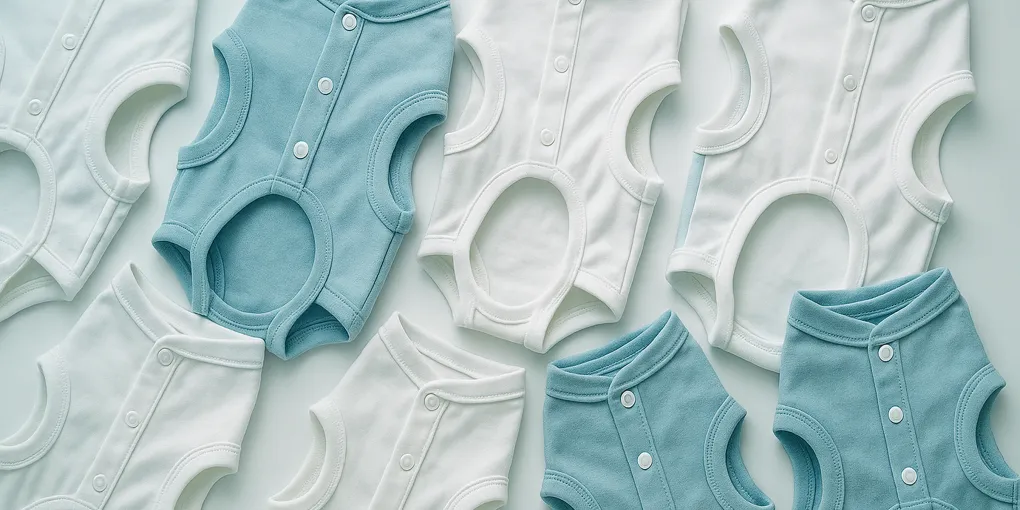
Suitical Recovery Suit for Dogs
Best OverallCoverage: Torso + rear (full body)
$22–$40
Quick Comparison
| Product | Key Specs | Price Range | Buy |
|---|---|---|---|
| |
| $22–$40 | Check Price |
| |
| $25–$45 | Check Price |
| |
| $18–$30 | Check Price |
| |
| $20–$35 | Check Price |
Contains affiliate links — we may earn a small commission at no extra cost to you.
Best Recovery Suits for Dogs After Surgery in 2026
For senior dogs recovering from surgery and needing an alternative to the e-collar (cone), Suitical Recovery Suit (PSR 8.3/10) earns the top overall rating — reliable wound coverage for abdominal and thoracic incisions, fold-back rear panel for hygienic elimination, and a cotton-spandex blend comfortable enough for extended wear. Healers Medical Bodysuit (PSR 8.0/10) is the preferred choice for senior dogs in warmer climates or with thermoregulatory concerns.
Important pre-purchase note: Confirm the incision location is covered by the suit before purchase. Recovery suits protect abdominal, thoracic, and dorsal torso incisions well; they do not protect leg, foot, or groin incisions.
TL;DR
- Top Pick: Suitical Recovery Suit — cotton-spandex, reliable coverage, fold-back rear panel for bathroom trips (PSR 8.3/10)
- Best Breathability: Healers Medical Bodysuit — moisture-wicking medical fabric, best for senior dogs prone to overheating (PSR 8.0/10)
- Best Comfort: Pet Parents Soft Onesie — ultra-soft fleece, maximum comfort for extended wear (PSR 7.7/10)
- Best Ease of Donning: Surgi-Snuggly — designed for easy on/off on an uncooperative or painful dog (PSR 7.6/10)
How We Researched This Article
This article follows PSR’s 5-step evidence-synthesis process. Safety assessment reviewed wound protection effectiveness by incision type and location, material breathability and overheating risk data, seam contact irritation reports, and small parts ingestion risk (buttons, velcro adhesion). Evidence synthesis reviewed veterinary post-surgical wound care guidelines (WSAVA surgical standards), comparative research on e-collar vs. recovery suit compliance and wound outcomes, and veterinary rehabilitation guidance on post-surgical mobility restriction. User community synthesis sourced from Amazon verified purchase reviews filtered for post-surgical use cases, veterinary technician community forums, and senior dog owner post-op care groups.
Why Recovery Suits Are Often Better Than E-Collars for Senior Dogs
The traditional Elizabethan collar (e-collar, cone) has been the standard post-surgical wound protection since the 1960s. For senior dogs, it creates specific problems that recovery suits resolve:
Sleep disruption: Senior dogs with arthritis typically change position frequently during the night to relieve joint pressure. An e-collar prevents comfortable positioning — many arthritic dogs cannot achieve their preferred sleeping posture with a cone around their neck. Sleep quality reduction in post-surgical senior dogs slows healing.
Vision restriction: E-collars block peripheral vision — already reduced in some senior dogs from age-related lens changes. Vision-impaired senior dogs wearing e-collars are significantly more likely to collide with furniture or fall on stairs during the recovery period.
Navigation and mobility: An e-collar adds 4–12 inches of circumference to the dog’s head — making doorways, stairs, and furniture navigation difficult for arthritic dogs who already move slowly and carefully.
Heat accumulation: E-collars trap warmth around the neck area — senior dogs with reduced thermoregulatory capacity can overheat more easily. Breathable recovery suits eliminate this heat trap.
Psychological stress: Many dogs find e-collars extremely distressing, increasing cortisol (stress hormone) levels — counterproductive to healing and comfort in the post-surgical period.
Recovery suits eliminate all five of these problems while providing equivalent or superior wound protection for covered body areas.
PSR Composite Score Breakdown
| Criterion | Weight | Suitical | Healers Medical | Pet Parents | Surgi-Snuggly |
|---|---|---|---|---|---|
| Safety & Ingredients | 25% | 8.5 | 8.5 | 8.0 | 8.0 |
| Durability & Build Quality | 20% | 8.5 | 8.0 | 7.5 | 7.5 |
| Pet Comfort & Acceptance | 20% | 8.5 | 8.0 | 9.0 | 8.0 |
| Value for Money | 20% | 8.0 | 7.5 | 8.5 | 8.0 |
| Ease of Use | 15% | 8.0 | 8.5 | 7.5 | 8.5 |
| PSR Composite | — | 8.3 | 8.0 | 7.7 | 7.6 |
Score notes: Suitical leads overall through strong performance across all criteria — its cotton-spandex blend provides good stretch for application over a painful dog while maintaining reliable coverage. Healers Medical leads Ease of Use through its snap rear closure that facilitates bathroom assistance without full suit removal. Pet Parents leads Pet Comfort — the fleece softness is the highest of reviewed products and owner reports note highest voluntary acceptance by dogs. Surgi-Snuggly leads Ease of Use equally with Healers for its simple fold-away panel design.
Suitical Recovery Suit: Best Overall
Suitical is the most widely veterinarian-recommended recovery suit brand, with the cotton-spandex blend providing the right balance of stretch (easy to don on a recovering dog), coverage (full torso), and breathability (cotton component allows air circulation). The fold-back rear panel clips up during walks for bathroom access and folds back down to restore coverage immediately after.
What makes it the top pick:
- Cotton-spandex blend — stretchy enough for easy donning without requiring the dog to fully cooperate
- Fold-back rear panel with snap closure — practical for the multiple daily elimination trips in the recovery period
- Full torso coverage — reliable for abdominal and thoracic incisions
- Durability — lasts multiple wash cycles without fabric degradation
- Available in comprehensive size range for small to large breeds
Safety: No toxic dyes documented. Machine washable maintains hygiene. No small parts at accessible locations. Cotton breathable — lower overheating risk than nylon.
Best for: Dogs recovering from abdominal surgery (spay, intestinal, bladder), thoracic incisions, skin mass removal on the torso; any dog where the incision is in the torso coverage zone.
View Suitical Recovery Suit on Amazon
Healers Medical Bodysuit: Best Breathability
Healers Medical designed their bodysuit specifically for post-surgical use with a medical-grade moisture-wicking fabric — similar to the materials used in human compression garments and surgical body wraps. The moisture-wicking property is particularly relevant for dogs with post-surgical wound drainage, keeping the incision site drier than cotton alternatives.
Breathability advantages:
- Moisture-wicking medical fabric reduces incision site moisture — critical for wound healing
- Better ventilation than cotton-spandex for senior dogs prone to overheating
- Snap closures allow rear opening without full suit removal — easier bathroom hygiene
- Available in bright colors for easy observation of suit integrity and wound drainage
Trade-offs:
- Higher cost than cotton alternatives
- Synthetic fabric may be less comfortable for dogs with sensitive skin
- Snap closures require two hands — slightly more complex than velcro alternatives
Best for: Senior dogs in warm climates or with thermoregulatory concerns; dogs with wound drainage requiring drier wound environments; owners prioritizing the most clinically appropriate wound management fabric.
View Healers Medical Bodysuit on Amazon
Pet Parents Soft Dog Onesie: Best Comfort
Pet Parents uses an ultra-soft fleece-blend fabric that is the gentlest option of reviewed products against the dog’s skin — relevant for senior dogs with skin sensitivity, thin skin from aging, or who resist wearing garments and need maximum comfort to tolerate the suit without distress.
Comfort advantages:
- Fleece softness — highest owner-reported voluntary tolerance of reviewed products
- Simple slip-on design — no complex fasteners
- Open rear panel eliminates need for fold-back manipulation during bathroom visits
- Machine washable fleece maintains softness over multiple wash cycles
Trade-offs:
- Open rear panel provides less hindquarter coverage than fold-back designs
- Fleece less breathable than cotton or medical fabric — not ideal for warm environments
- Less compression stretch than spandex-blend alternatives
Best for: Senior dogs that resist garments and need maximum comfort for compliance; cool-climate recovery environments; dogs with skin sensitivity to synthetic fabrics.
View Pet Parents Onesie on Amazon
Surgi-Snuggly Easy Open: Best Ease of Donning
The Surgi-Snuggly’s design focuses specifically on the donning challenge — its pattern opens in a way that minimizes the manipulation required to get it on a dog that is painful, groggy from anesthesia, or resistant to garments. The stretchy cotton-lycra blend adds elasticity that accommodates post-surgical bandaging underneath if needed.
Ease of donning advantages:
- Pattern designed for minimal handler manipulation — relevant in the immediate post-anesthesia period
- Stretchy fabric accommodates post-surgical bandaging or swelling
- Open rear panel eliminates complex fold-back management for anxious owners
Trade-offs:
- Partial rear coverage less complete than full fold-back designs
- Less compression than spandex-blend alternatives
- Fewer size options than Suitical
Best for: First 24–48 hours post-surgery when the dog is least cooperative; owners managing alone without a helper for suit application; dogs with post-surgical bandaging requiring accommodation under the suit.
Related Post-Surgery Recovery Products
- Orthopedic dog beds: Post-surgical senior dogs spend most of their recovery on resting surfaces — orthopedic foam reduces pressure point discomfort and supports healing while the dog is immobile.
- Dog ramps and stairs: Post-surgical dogs must not jump — ramps for furniture and vehicle access prevent jump-related incision disruption during the recovery period.
- Heating pad: Gentle warmth around the incision area (not directly on it) can reduce post-surgical muscle tension — confirm with your veterinarian before applying heat near a surgical site.
- Dog full body lift harness: Dogs recovering from orthopedic surgery may need lift harness support for bathroom trips during the restricted mobility period.
- Non-slip mats: Post-surgical dogs are often on pain medications that affect balance and coordination — non-slip surfaces throughout the home reduce fall risk during the recovery period.
- Dog water fountain: Adequate hydration supports healing — accessible water fountains encourage drinking in recovering dogs who may be reluctant to move to a distant bowl.
Frequently Asked Questions
Are dog recovery suits as effective as the e-collar (cone) for preventing licking?
Recovery suits effectively prevent access to abdominal and thoracic incisions for most dogs. For mid-abdominal incisions, a well-fitted suit provides excellent protection. For groin, hindlimb, or leg incisions, coverage may be incomplete. Highly motivated lickers may chew through some fabrics. Never use a recovery suit as an unmonitored e-collar replacement for the first 48–72 hours — supervise the dog to verify adequate protection.
How do I get a recovery suit on a post-surgical dog in pain?
Work slowly with minimal restraint pressure. Have a helper if possible. Warm the fabric in your hands before skin contact. Offer high-value treats throughout. Avoid tugging on the neck. For dogs that are extremely resistant immediately post-surgery, consult your veterinarian about the necessity of the suit versus an e-collar for the first 24 hours.
Can a senior dog sleep comfortably in a recovery suit?
Yes — most senior dogs adapt within 1–2 nights. Recovery suits are generally less disruptive to sleep than e-collars, which prevent comfortable resting positions. Monitor temperature — senior dogs may overheat in full-body suits in warm environments. A breathable fabric (Healers Medical) is preferable for warm climates.
How long should a dog wear a recovery suit after surgery?
Duration depends on surgery type and healing rate — your veterinarian will specify the wound care period. Typically, surface incisions require 10–14 days. Do not discontinue based on external appearance alone — internal healing continues after external closure, and premature licking can disrupt internal sutures.
What is the difference between a dog recovery suit and a recovery cone?
An e-collar physically blocks access to all body areas by extending around the neck. A recovery suit covers the wound directly with fabric. E-collars are universally effective for any body location; recovery suits protect only covered areas. Recovery suits are more comfortable for most dogs and do not restrict vision, peripheral navigation, or sleeping positions.
Frequently Asked Questions
- Recovery suits are effective for most dogs at preventing access to abdominal and thoracic incisions — the fabric coverage physically blocks tongue access. However, their effectiveness depends on incision location and how motivated the dog is to access the wound. For mid-abdominal incisions (spay, abdominal surgery), a well-fitted recovery suit provides excellent protection. For incisions near the groin, hindlimb, or rear end, the suit's coverage may be incomplete at those locations. For foot wounds or leg incisions, a suit provides no protection — a sleeve or boot is needed. Dogs that are highly motivated to lick (strong lickers) have been documented to chew through or pull aside some suit materials. Never use a recovery suit as an unmonitored e-collar replacement for the first 48–72 hours post-surgery — supervise the dog during initial recovery to verify the suit is providing adequate protection.
- Work very slowly with minimal restraint pressure. Most recovery suits slip on over the head and snap or velcro around the torso — avoid tugging on the neck, which can cause pain in dogs with spinal arthritis. If the dog had thoracic surgery, avoid any compression of the chest wall. Have a helper if possible — one person to gently support the dog while the other applies the suit. Warm the fabric in your hands before contact with the dog's skin (cold material causes startling). Offer high-value treats continuously throughout the process to associate suit application with positive experience. For dogs that are extremely resistant in the immediate post-surgery period, consult your veterinarian about the necessity of the suit versus an e-collar in the first 24–48 hours.
- Yes — most senior dogs adapt to recovery suit sleeping within 1–2 nights. The suit's gentle compression is often less disruptive to sleep than an e-collar, which prevents comfortable resting positions and can trap heat around the neck. Senior dogs sleeping on orthopedic beds in recovery suits generally sleep more comfortably than in e-collars. Monitor the dog's temperature — some senior dogs with thermoregulatory compromise may overheat in full-body suits, particularly in warm environments. A breathable fabric suit (Healers Medical) is preferable for senior dogs in warmer climates.
- The duration depends entirely on the surgery type and individual healing rate — your veterinarian will specify the wound care period for your dog's specific procedure. Typically, surface incisions require 10–14 days of wound protection while sutures heal. The veterinarian will assess wound healing at the follow-up appointment (usually 10–14 days post-surgery) and indicate when protective covering can be discontinued. Do not discontinue the suit based on the incision appearing healed externally — internal healing continues after external closure, and premature licking can introduce infection or disrupt internal sutures.
- The traditional e-collar (cone, Elizabethan collar) physically prevents the dog from reaching their body by extending out around the neck — it doesn't cover the wound, it creates a physical barrier to access. Recovery suits cover the wound directly with fabric, physically blocking access regardless of head position. The practical tradeoffs: e-collars are universally effective for any body location (the dog cannot reach anything, not just the torso), while recovery suits are only effective for the areas they cover. Recovery suits are more comfortable for most dogs and do not restrict peripheral vision or prevent comfortable sleeping positions. For thoracic or abdominal incisions, most veterinarians accept recovery suits as an effective alternative to e-collars.