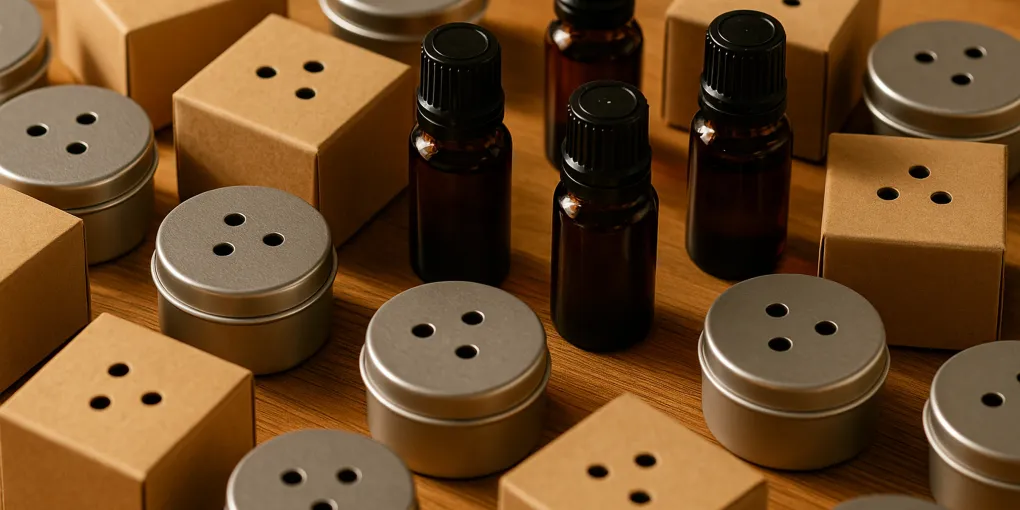
Canine Coach Nose Work Starter Kit
Best OverallIncludes: Scent tins, birch essential oil, clove essential oil, instruction guide
$25–$45
Quick Comparison
| Product | Key Specs | Price Range | Buy |
|---|---|---|---|
| |
| $25–$45 | Check Price |
| |
| $30–$55 | Check Price |
| |
| $20–$35 | Check Price |
| |
| $30–$40 | Check Price |
Contains affiliate links — we may earn a small commission at no extra cost to you.
Best Nose Work Kits for Senior Dogs in 2026
For senior dogs needing cognitive enrichment that does not require physical exertion, Canine Coach Nose Work Starter Kit (PSR 8.2/10) earns the top rating — providing the complete set of materials (tins, target scents, instruction guide) to start nose work training immediately using the same protocols as professional scent detection sport. K9 Nose Work Box Set (PSR 7.9/10) is the choice for owners interested in eventually competing in AKC/NACSW trials.
Why nose work is uniquely suited for senior dogs: Nose work requires virtually no physical exertion while providing intense cognitive engagement — the combination makes it the most accessible enrichment activity for senior dogs with severe arthritis, limited mobility, or post-surgical recovery restrictions.
TL;DR
- Top Pick: Canine Coach Starter Kit — complete tin set, target scents (birch/clove), instruction guide, safe dilution concentrations (PSR 8.2/10)
- Best Competition Training: K9 Nose Work Box Set — AKC-approved scents and protocols, 12-box set for varied searches (PSR 7.9/10)
- Best Physical Sniffing: Trixie Sniffing Set — multi-surface sniff activity including snuffle mat, broader physical sniffing enrichment (PSR 7.7/10)
- Best Budget Entry: PAW5 Snuffle Mat — lowest cost, treat-finding snuffle enrichment without scent training components (PSR 7.4/10)
How We Researched This Article
This article follows PSR’s 5-step evidence-synthesis process. Safety assessment reviewed essential oil toxicity thresholds for dogs (ASPCA Animal Poison Control database), scent material dilution concentrations in reviewed kits, container construction safety (no accessible sharp edges, adequate ventilation), and small parts ingestion risk. Evidence synthesis reviewed veterinary behavioral science literature on cognitive enrichment for aging dogs, research on cognitive dysfunction syndrome (CDS) management through enrichment (Overall et al.), the AVMA guidelines on cognitive aging in dogs, and canine olfactory cognition research. User community synthesis sourced from Amazon verified reviews, K9 Nose Work community forums, and veterinary behaviorist clinical recommendations.
Why Olfactory Enrichment Is the Ideal Senior Dog Activity
The aging dog faces a progressive loss of the activities that engaged them when younger — reduced energy, arthritic pain, and declining sensory acuity limit physical play, long walks, and even social interaction. But one system remains remarkably intact in most senior dogs: olfaction.
The canine nose in aging:
- Dogs’ olfactory systems can detect concentrations 10,000–100,000 times lower than humans
- Olfactory processing engages approximately one-eighth of a dog’s total brain volume
- Unlike vision and hearing (which measurably decline with age), olfactory sensitivity in dogs shows less dramatic age-related decline in most individuals
- The processing of scent requires hippocampal engagement (spatial mapping of odor sources) — this is the same brain region targeted in cognitive enrichment interventions for humans
Why this matters for senior dogs: A senior dog who can no longer sustain a 30-minute walk can still search for 10 minutes, using virtually no joint loading, while achieving greater cognitive engagement than the walk would have provided. The energy investment-to-cognitive-stimulation ratio makes nose work uniquely efficient for aging dogs.
Cognitive dysfunction syndrome (CDS) and nose work: Research on cognitive aging in dogs supports enrichment activities that require purposeful problem-solving as protective against CDS progression. Nose work’s search-and-find structure provides exactly this: the dog must recall target odor characteristics, search systematically, detect the target, and communicate the find — a complex cognitive chain that engages multiple neural systems.
Safety Guide: Essential Oils Around Dogs
The target scents used in official nose work sport (birch/wintergreen, anise, clove, cypress) are safe for dogs at the diluted training concentrations used in commercial nose work kits. The key word is diluted.
Safe nose work scents (at training dilution):
- Birch (methyl salicylate) — primary AKC/NACSW level 1 target scent
- Anise (anethol) — level 2 target scent
- Clove (eugenol) — used in competition and training
- Cypress (camphene/monoterpenes) — used in advanced competition
Essential oils that are toxic to dogs and must never be used:
- Tea tree (melaleuca) — highly toxic even at low concentrations
- Pennyroyal — toxic, especially hepatotoxic
- Pine and fir — renal toxin
- Ylang-ylang — cardiovascular effects
- Eucalyptus — neurological toxin in dogs
- Cinnamon — mucous membrane irritant
- Citrus oils (d-limonene) — toxic at higher concentrations
Commercial nose work kits use the approved scents at appropriate dilutions — the safety risk is when owners attempt to substitute other essential oils they have at home.
PSR Composite Score Breakdown
| Criterion | Weight | Canine Coach Kit | K9 Box Set | Trixie Set | PAW5 Snuffle Mat |
|---|---|---|---|---|---|
| Safety & Ingredients | 25% | 9.0 | 8.5 | 8.5 | 9.0 |
| Durability & Build Quality | 20% | 8.5 | 7.0 | 8.0 | 8.5 |
| Pet Comfort & Acceptance | 20% | 8.0 | 8.0 | 8.0 | 8.0 |
| Value for Money | 20% | 8.0 | 8.0 | 8.5 | 8.0 |
| Ease of Use | 15% | 8.5 | 7.5 | 7.5 | 9.0 |
| PSR Composite | — | 8.2 | 7.9 | 7.7 | 7.4 |
Score notes: Canine Coach Kit leads Ease of Use — its instruction guide is the most accessible for owners starting nose work without prior training experience, making the first training session achievable without outside guidance. K9 Box Set leads Pet Comfort equivalently but scores lower on Durability (cardboard boxes degrade faster than metal tins with repeated dog sniffing) and Ease of Use (AKC protocols are more detailed than needed for casual enrichment). PAW5 leads on Ease of Use and Safety — a snuffle mat requires no scent materials or training knowledge, making it the fastest and safest nose work entry point for uncertain owners.
Canine Coach Nose Work Starter Kit: Best Overall
The Canine Coach kit provides the complete package for starting nose work with a senior dog — ventilated metal tins (durable, washable, odor-retaining), pre-diluted birch and clove essential oil scents at safe training concentrations, and a step-by-step instruction booklet written for owner-trainers without prior scent work experience.
What makes it the top pick:
- Metal tins are durable, washable, and reusable — better than cardboard for long-term use
- Pre-diluted scent concentrations eliminate the risk of owner over-concentration errors
- Instruction guide written for beginners — actionable from day one
- Scent targets align with AKC/NACSW competition odors — applicable if owner later pursues formal trialing
- Ventilation holes designed for scent to diffuse without dog direct contact with scent source
Safety: Pre-diluted concentrations within ASPCA-assessed safe ranges. Metal tins have no accessible sharp edges.
Best for: Owners starting nose work with a senior dog for the first time; dogs needing low-exertion cognitive enrichment; owners interested in potentially pursuing formal nose work sport.
View Nose Work Starter Kit on Amazon
K9 Nose Work Box Set: Best Competition-Level Training
The K9 Nose Work Box Set uses 12 cardboard search boxes — more containers than the Canine Coach kit — and includes the anise and clove scents used in AKC/NACSW Level 2 trials. The larger container set allows more complex search hides and more realistic competition preparation.
Competition training advantages:
- 12-box set creates more complex, varied hide configurations
- Includes AKC nose work guidelines alongside training instructions
- Anise and clove scent targets match Level 2 competition requirements
- Cardboard boxes can be sourced and replaced inexpensively for continued practice
Trade-offs:
- Cardboard degrades with moisture and repeated dog sniffing — needs periodic replacement
- 12-box setup takes more time to arrange than 6-tin sets
- More complex than needed for owners seeking casual enrichment only
Best for: Owners interested in AKC/NACSW nose work competition with their senior dog; dogs who have mastered basic tin searches and need a more challenging setup.
View K9 Nose Work Box Set on Amazon
Trixie Dog Activity Sniffing Set: Best Physical Sniffing Challenge
Trixie’s sniffing activity set goes beyond scent training to include multi-surface sniffing challenges — snuffle mat, scent containers of different textures and opening mechanisms, and an activity board. The physical variety of search surfaces provides a richer multi-sensory experience than tin-only searches.
Physical enrichment advantages:
- Multiple search surface types stimulate varied sniffing behaviors
- Snuffle mat component allows high-value treat hiding for dogs not yet scent-trained
- Activity board puzzles add a secondary cognitive challenge alongside olfactory work
- BPA-free materials throughout
Trade-offs:
- Larger setup — takes more floor space for a complete activity session
- Some puzzle components may be too physically demanding for dogs with severe front-leg arthritis
- No competition-recognized scents included
Best for: Dogs who enjoy varied physical sniffing activity alongside cognitive enrichment; owners wanting one product covering both nose work and puzzle toy enrichment.
View Trixie Sniffing Set on Amazon
PAW5 Wooly Snuffle Mat: Best Budget Entry
The PAW5 snuffle mat is the simplest and safest entry point into nose work enrichment — no scents required, no training protocol needed. Hide treats in the fleece mat and let the dog sniff them out. While not true scent detection training, snuffle mats provide the foraging behavior and olfactory engagement that makes nose work beneficial.
Budget entry advantages:
- No scent materials required — no essential oil safety concerns
- Immediate usability — most dogs engage on the first presentation
- Machine washable — easy hygiene maintenance
- Applicable immediately without prior training knowledge
Trade-offs:
- Does not progress to formal nose work training — treats are the target, not a target scent
- Dogs may learn to flip the mat rather than searching systematically — requires supervision
- Less cognitively complex than scent detection training
Best for: First-time nose work enrichment for skeptical owners; dogs with limited scent training experience needing an immediate engagement win; supplemental enrichment alongside a formal nose work kit.
View PAW5 Snuffle Mat on Amazon
Related Cognitive Enrichment Products for Senior Dogs
- Interactive puzzle toys: Food puzzle toys provide a different cognitive engagement style — visual problem-solving vs. olfactory detection — and complement nose work as part of a comprehensive enrichment program.
- Slow feeder bowls: Slow feeders introduce mild olfactory and problem-solving challenge during meals — a low-effort way to extend cognitive engagement at every mealtime.
- Cognitive supplements: Supplements targeting canine cognitive dysfunction syndrome support the neurological substrate that nose work enrichment engages.
- Calming supplements: For anxious senior dogs, calming supplements used alongside nose work can reduce stress reactivity — nose work’s structured searching has an inherent calming effect when the dog is not already at high anxiety baseline.
- Senior dog food toppers: High-value food rewards are critical for nose work motivation — aromatic, palatable toppers can be used as nose work reward jackpots.
- Senior dog multivitamins: B-vitamin complexes support neurological function relevant to olfactory processing — relevant for senior dogs experiencing early cognitive decline.
Frequently Asked Questions
What is nose work and why is it good for senior dogs?
Nose work trains dogs to find specific target odors hidden in containers, rooms, or areas. For senior dogs, it provides intense cognitive engagement with minimal physical exertion — a dog with severe arthritis can do nose work while barely moving. It capitalizes on dogs’ strongest remaining sensory capacity (smell), and has been shown to reduce anxiety and slow cognitive decline in aging dogs.
What scents are used in nose work and are they safe for dogs?
Official nose work scents are birch (wintergreen), anise, clove, and cypress — safe at the diluted training concentrations used in commercial kits. Undiluted essential oils can be toxic. Never use tea tree, pennyroyal, pine, ylang-ylang, eucalyptus, or citrus oils — these are toxic to dogs. Use only commercial nose work kits with pre-diluted, appropriate-concentration scents.
How do I start nose work training with my senior dog?
Start with 3–6 search containers and hide a high-value treat in one. Let the dog sniff through all containers to find the treat. Always make the dog successful early to build drive. After strong container interest, introduce the target scent (birch or anise) in a tin alongside the treat. Over sessions, the dog learns to alert on the scent itself.
How many minutes per day should a senior dog do nose work?
5–10 minutes of active searching is cognitively very demanding. Most practitioners recommend 2–4 short sessions per day. A senior dog searching 5 containers for 5 minutes may be as mentally fatigued as after a 20-minute walk. Nose work provides high-level cognitive engagement in a low-physical-effort format.
Can nose work help a dog with cognitive dysfunction syndrome?
Yes — nose work is one of the most frequently recommended enrichment activities for dogs with cognitive dysfunction syndrome (CDS). CDS dogs often retain olfactory enthusiasm when other activities lose appeal. The focused searching activity has calming effects and engages multiple neural systems including the hippocampus. Discuss nose work as part of a CDS management plan with your veterinarian.
Frequently Asked Questions
- Nose work (also called scent detection or scent work) is a sport and enrichment activity that trains dogs to find specific target odors hidden in containers, rooms, vehicles, or outdoor areas. It is derived from professional detection dog training (bomb-sniffing, drug detection) adapted for pet dogs and competition sport. For senior dogs specifically, nose work is one of the most cognitively appropriate enrichment activities available: it requires intense mental focus (tiring a dog mentally often more effectively than physical exercise), it can be done at any physical ability level (a dog with severe arthritis can do nose work while barely moving), it capitalizes on dogs' greatest remaining sensory capacity (smell remains sharp as other senses decline), and it has been shown in research to reduce anxiety and cognitive decline signs in senior dogs.
- The official scents used in AKC/NACSW-sanctioned nose work competition are birch (wintergreen), anise, clove, and cypress — these four are approved as target odors for different trial levels. At the diluted concentrations used in nose work training (typically 1–2 drops in a ventilated tin), these essential oils are safe for dogs. However, undiluted essential oils applied directly to the skin or used in diffusers at high concentrations can be toxic to dogs — always use the diluted training concentrations specified in nose work kits. Never use tea tree, pennyroyal, pine, ylang-ylang, or eucalyptus essential oils in dog nose work — these are toxic to dogs at low concentrations.
- Nose work for beginners starts with container searches using boxes or tins. Place a small, high-value treat in one of 3–6 search containers and let the dog sniff through them to find the treat. The dog is always successful — you're building drive and confidence, not testing difficulty. After the dog shows strong interest in containers with treats, introduce the target scent (birch or anise) in a tin with treats. Over multiple sessions, the dog learns to alert to the scent itself rather than just searching for food. Senior dogs often take to nose work more eagerly than agility or obedience training because it directly uses their strongest natural ability.
- Unlike physical exercise where duration correlates with benefit, nose work sessions are intentionally short — 5–10 minutes of active searching is cognitively very demanding for dogs. Most nose work practitioners recommend 2–4 short sessions per day rather than one long session. A senior dog that searches 5 containers for 5 minutes may be as mentally fatigued as after a 20-minute walk. This time efficiency is one of the key reasons nose work is particularly valuable for senior dogs who cannot sustain physical exercise — it provides high-level cognitive engagement in a low-physical-effort format.
- Yes — nose work is one of the most frequently recommended enrichment activities by veterinary behaviorists for dogs with cognitive dysfunction syndrome (canine dementia). CDS dogs often lose interest in activities they previously enjoyed (play, walks, social interaction) but may retain enthusiasm for scent-based activities as olfactory function is often the last sense to significantly decline with age. Nose work provides cognitive engagement, purpose, and reward experience that can slow behavioral deterioration in CDS dogs. It also reduces anxiety — the focused, purposeful searching activity has calming effects similar to mindfulness for humans. Discuss nose work as part of a CDS management plan with your veterinarian.