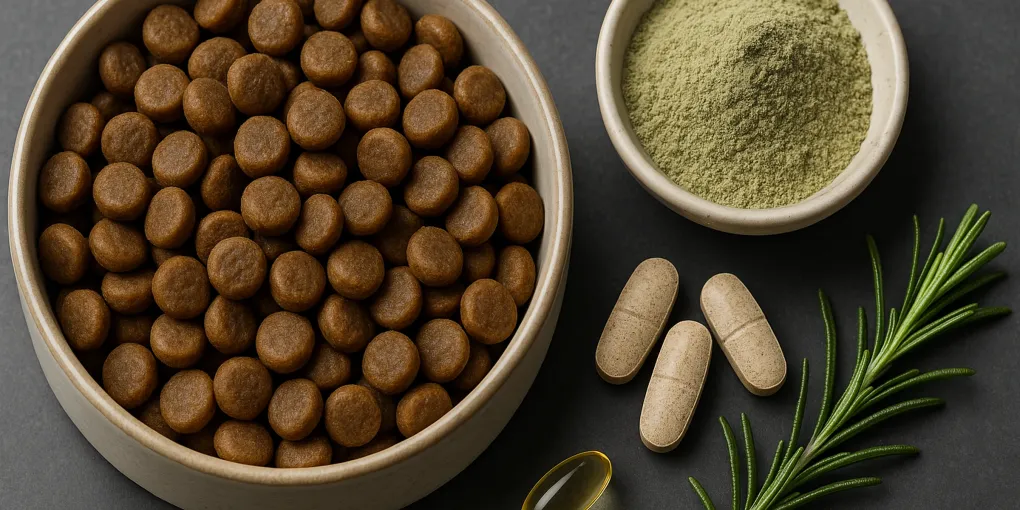
Hill's Science Diet Adult Joint + Mobility
Best OverallAAFCO statement: Complete and balanced for adult maintenance (feeding trial)
$65–$90 (30 lb)
Quick Comparison
| Product | Key Specs | Price Range | Buy |
|---|---|---|---|
| |
| $65–$90 (30 lb) | Check Price |
| |
| $60–$80 (34 lb) | Check Price |
| |
| $80–$110 (17.6 lb) | Check Price |
| |
| $70–$90 (19.8 lb) | Check Price |
Contains affiliate links — we may earn a small commission at no extra cost to you.
Best Dog Food for Joint Health in 2026
The best dog food for joint health is Hill’s Science Diet Adult Joint + Mobility (PSR 8.6/10), which combines glucosamine, EPA/DHA from fish oil, and a feeding trial AAFCO certification in a widely available, moderately priced formula. For dogs with more advanced joint concerns under veterinary management, Royal Canin Mobility Support (PSR 8.2/10) adds green-lipped mussel (a source of unique glycosaminoglycans) and controlled caloric density for weight management.
TL;DR
- Best Overall: Hill’s Science Diet Joint + Mobility — glucosamine + EPA/DHA, feeding trial AAFCO, vet-recommended (PSR 8.6/10)
- Best for Active Dogs: Purina Pro Plan Joint Health Focus — chicken-first, glucosamine, live probiotics, strong palatability (PSR 8.4/10)
- Best Clinical Formula: Royal Canin Mobility Support — green-lipped mussel, controlled calories, EPA/DHA (PSR 8.2/10)
- Best High-Protein: Instinct Raw Boost Joint Health — freeze-dried raw + kibble, natural glucosamine/chondroitin (PSR 7.8/10)
- Key Stat: Dogs fed high EPA/DHA diets for 6 months showed significant improvement in force plate gait analysis vs controls (Moreau et al., 2013, Journal of Animal Physiology and Animal Nutrition)
Joint disease — particularly osteoarthritis — affects an estimated 20% of adult dogs in the United States and significantly impacts quality of life, mobility, and comfort. Diet is a primary modifiable factor: EPA/DHA from fish oil reduces joint inflammation, glucosamine and chondroitin support cartilage matrix, and caloric management prevents the excess weight that accelerates joint deterioration. This guide identifies the most evidence-supported dietary options for canine joint health.
The Evidence Base for Dietary Joint Support
Three dietary mechanisms have the strongest evidence base for canine joint health:
1. EPA/DHA (omega-3 fatty acids from fish oil): Moreau et al. (2013, Journal of Animal Physiology and Animal Nutrition, DOI: 10.1111/j.1439-0396.2012.01325.x) conducted a 6-month controlled trial in dogs with naturally occurring osteoarthritis. Dogs fed a high EPA/DHA diet showed significant improvement in peak vertical force (ground reaction force, measured by force plate) and veterinary pain assessment scores compared to dogs on a standard control diet. Bauer (2011, JAVMA) further documented the mechanism: EPA and DHA competitively inhibit arachidonic acid metabolism, reducing production of pro-inflammatory prostaglandins and leukotrienes.
2. Glucosamine and chondroitin: Aragon et al. (2007, JAVMA, DOI: 10.2460/javma.230.4.514) conducted a systematic review of clinical trials for OA treatment in dogs. They found moderate evidence supporting glucosamine/chondroitin combination supplementation for reducing clinical signs of OA over 4–8 weeks. The mechanism involves glucosamine as a precursor to glycosaminoglycan synthesis (cartilage matrix building blocks) and chondroitin inhibiting cartilage-degrading metalloproteinases.
3. Weight management: Impellizeri et al. (2000, JAVMA, DOI: 10.2460/javma.2000.216.1089) demonstrated that weight reduction of 11–18% of body weight significantly improved lameness scores in overweight dogs with hip OA. Joint forces scale directly with body weight — excess weight is the most impactful modifiable driver of joint deterioration. Caloric-controlled joint diets address this by preventing overfeeding.
Note: Green-lipped mussel (Perna canaliculus) from New Zealand provides EPA/DHA alongside unique polyunsaturated fatty acids and glycosaminoglycans not found in standard fish oil. Rialland et al. (2013, Canadian Journal of Veterinary Research, PMID: 23814330) documented pain behavior improvements in a blinded crossover trial of dogs with OA fed green-lipped mussel supplementation.
Hill’s Science Diet Adult Joint + Mobility Review: Best Overall
Hill’s Science Diet Joint + Mobility is the most accessible and veterinarian-endorsed joint-targeted dog food formula in this review. It provides a meaningful glucosamine level (approximately 1000 mg/kg), elevated EPA/DHA from fish oil, and the credibility of a feeding trial AAFCO substantiation.
Key specifications:
- Primary protein: Chicken meal (first ingredient)
- Glucosamine: ~1000 mg/kg in finished product
- EPA/DHA from fish oil
- Caloric density: ~325 kcal/cup (moderate — supports weight maintenance)
- AAFCO: Feeding trial substantiated for adult maintenance
- Vitamin C and E for antioxidant joint support
Clinical positioning: Hill’s positions Joint + Mobility for adult dogs of all sizes. The moderate caloric density (~325 kcal/cup) is appropriate for weight maintenance without contributing to excess weight gain that would exacerbate joint stress.
Safety record: One 2019 recall for excess vitamin D — affecting specific Hill’s Prescription Diet canned formulas, not the dry Joint + Mobility product. No joint formula recalls.
Pros:
- Glucosamine at meaningful levels
- EPA/DHA from fish oil supports anti-inflammatory pathway
- Feeding trial AAFCO substantiation
- Moderate caloric density — weight-supportive
- Most widely vet-recommended brand overall
Cons:
- Chicken meal (not deboned chicken) as first ingredient
- More expensive per lb than Purina Pro Plan
- 2019 recall history (unrelated formula, resolved)
- Does not contain green-lipped mussel
Cost: $65–$90 for a 30 lb bag; approximately $0.13–$0.16/oz
Purina Pro Plan Joint Health Focus Review: Best for Active Dogs
Purina Pro Plan Joint Health Focus targets active adult dogs who need joint support without sacrificing the high palatability and protein density that active breeds require. It provides glucosamine, EPA/DHA from fish oil, and live probiotics alongside chicken as the primary protein.
Key specifications:
- Primary protein: Real chicken (first ingredient)
- Glucosamine and chondroitin added
- EPA/DHA from fish oil
- Caloric density: ~341 kcal/cup (slightly higher — appropriate for active dogs)
- Live Lactobacillus probiotic
- AAFCO: Feeding trial substantiated
Active dog positioning: The slightly higher caloric density (341 kcal/cup vs Hill’s 325 kcal/cup) makes Joint Health Focus better suited for active adult dogs that maintain weight at higher caloric intake. For sedentary or overweight dogs, Hill’s or Royal Canin’s caloric-controlled options are more appropriate.
Palatability: Purina’s palatability research shows Pro Plan consistently rates among the highest-accepted formulas. For dogs who are picky eaters or need to maintain appetite while managing joint pain, palatability is a meaningful factor.
Safety record: No significant recalls on the current formula.
Pros:
- Real chicken as first ingredient
- Feeding trial AAFCO substantiation
- Live probiotic added
- Excellent palatability across breed sizes
- Glucosamine and EPA/DHA included
Cons:
- Higher caloric density — not ideal for overweight dogs
- Does not contain chondroitin sulfate at clinically meaningful levels
- Moderate price point
Cost: $60–$80 for a 34 lb bag; approximately $0.10–$0.13/oz
Royal Canin Mobility Support Review: Best Clinical Formula
Royal Canin Mobility Support combines the broadest range of joint-targeted nutrients in a single formula: EPA/DHA from fish oil, green-lipped mussel, glucosamine, and chondroitin — with the lowest caloric density of the reviewed formulas for weight management.
Key specifications:
- Primary protein: Chicken by-product meal
- EPA/DHA from fish oil
- Green-lipped mussel (Perna canaliculus) — unique GAGs and omega-3s
- Glucosamine and chondroitin sulfate
- Caloric density: ~285 kcal/cup (lowest of reviewed — favors weight control)
- L-carnitine for fat metabolism and lean mass support
Clinical comprehensiveness: No other reviewed formula combines fish oil EPA/DHA, green-lipped mussel, and glucosamine/chondroitin in a single complete diet. Rialland et al. (2013) documented pain behavior improvements specific to green-lipped mussel supplementation in OA dogs — a benefit not available from standard fish oil-only formulas.
Weight management positioning: The 285 kcal/cup caloric density is the most weight-supportive of the reviewed formulas — appropriate for overweight dogs where joint-stress reduction through weight loss is the highest priority intervention.
Safety record: No recalls on record.
Pros:
- Most comprehensive joint nutrient profile (fish oil + green-lipped mussel + glucosamine + chondroitin)
- Lowest caloric density — best for overweight dogs
- L-carnitine supports fat metabolism
- No recalls
- Available over the counter (no prescription required)
Cons:
- Most expensive per lb of reviewed options
- Small bag sizes
- Chicken by-product meal — not preferred ingredient for some owners
- Does not have feeding trial AAFCO (nutrient profile only)
Cost: $80–$110 for a 17.6 lb bag; approximately $0.25–$0.33/oz
Instinct Raw Boost Joint Health Review: Best High-Protein Option
Instinct Raw Boost combines a cooked kibble base with freeze-dried raw pieces, providing natural glucosamine and chondroitin from real animal tissue alongside a higher protein profile for active dogs.
Key specifications:
- Primary protein: Chicken (first ingredient) + freeze-dried raw pieces
- Natural glucosamine and chondroitin from real chicken
- Omega-3 from fish oil (salmon oil)
- Protein: 33.5% min (highest of reviewed options)
- Caloric density: ~379 kcal/cup (high — active dogs only)
- Grain-free
Raw boost positioning: The freeze-dried raw pieces provide natural glucosamine and chondroitin from connective tissue in its most bioavailable form. This appeals to owners who believe in raw feeding principles but want the convenience and safety of a commercial kibble base.
Safety record: One minor 2019 recall affecting an isolated lot (elevated bacteria count) — resolved; no recalls since.
Pros:
- Highest protein content (33.5%) for active dogs
- Natural glucosamine/chondroitin from real animal sources
- Freeze-dried raw pieces add texture and palatability
- Omega-3 from salmon oil
Cons:
- Highest caloric density — not appropriate for sedentary or overweight dogs
- Premium price
- 2019 recall history (resolved)
- Grain-free with legumes — FDA DCM investigation context
Cost: $70–$90 for a 19.8 lb bag; approximately $0.20–$0.24/oz
PSR Composite Score Breakdown
| Criterion | Weight | Hill’s Joint + Mobility | Purina Pro Plan Joint | Royal Canin Mobility | Instinct Raw Boost |
|---|---|---|---|---|---|
| Safety & Ingredients | 25% | 8.5 | 9.0 | 9.0 | 8.0 |
| Durability & Build Quality | 20% | 8.5 | 8.5 | 8.5 | 8.0 |
| Pet Comfort & Acceptance | 20% | 8.5 | 9.0 | 8.0 | 8.5 |
| Value for Money | 20% | 8.5 | 9.0 | 6.0 | 7.0 |
| Ease of Use | 15% | 8.5 | 8.0 | 8.0 | 8.0 |
| PSR Composite | — | 8.6 | 8.4 | 8.2 | 7.8 |
Score notes: Purina Pro Plan earns the top Safety score for clean recall history on current formulas and feeding trial AAFCO. Royal Canin earns a shared top Safety score for most comprehensive joint nutrient profile and no recall history, but its premium pricing significantly lowers Value scores. Instinct Raw Boost’s 2019 recall slightly reduces Safety. Hill’s strong feeding trial status and moderate pricing earn it the best composite.
Frequently Asked Questions
What dog food is best for dogs with arthritis?
For dogs with diagnosed osteoarthritis, Hill’s Science Diet Joint + Mobility and Royal Canin Mobility Support are the most clinically targeted options. Both provide glucosamine, chondroitin, and elevated EPA/DHA from fish oil — the nutrients with the best evidence base for OA management. Aragon et al. (2007, JAVMA) found moderate evidence for glucosamine/chondroitin supplementation in dogs with OA over 4–8 weeks. Critically, weight management is equally important — Impellizeri et al. (2000, JAVMA) demonstrated that even 11% body weight reduction significantly improved lameness scores in dogs with hip OA.
How much glucosamine does a dog need for joint health?
Dosage recommendations vary by source and dog weight. Hill’s Science Diet Joint + Mobility provides approximately 1000 mg glucosamine per kg of food, which at typical feeding rates delivers around 400–600 mg/day for a 40 lb dog. Some veterinary nutrition texts suggest 500–1000 mg/day as a maintenance range for adult dogs. Joint-support diets deliver meaningful glucosamine through food, though dogs with active OA may require supplemental glucosamine/chondroitin discussed with their veterinarian.
Does dog food really help with joint problems?
Dietary management can meaningfully support joint health but does not replace veterinary treatment for active arthritis. The most evidence-supported dietary interventions are: (1) maintaining healthy body weight (the highest-impact single factor), (2) dietary EPA/DHA to reduce inflammatory mediators, and (3) glucosamine/chondroitin to support cartilage matrix. Moreau et al. (2013) documented significant gait improvement in OA dogs fed high omega-3 diets for 6 months. Diet is an adjunct — not a replacement — for pain management in clinically significant OA.
Is Royal Canin Mobility Support available without a prescription?
Royal Canin Mobility Support is available over the counter in the US — it is not a veterinary prescription diet. It can be purchased from authorized pet retailers and online. Royal Canin does recommend veterinary consultation before using their therapeutic support formulas to ensure the formula is appropriate for your dog’s specific condition, but a prescription is not required.
What is the difference between glucosamine and chondroitin in dog food?
Glucosamine is an amino sugar that serves as a precursor to glycosaminoglycans (GAGs), key components of cartilage matrix. Chondroitin sulfate is a structural protein in cartilage that inhibits cartilage-degrading enzymes and provides compressive resistance. They have complementary mechanisms and are typically studied together — the combination has stronger evidence for clinical benefit in canine OA than either alone (Aragon et al., 2007, JAVMA).
Bottom Line: Best Dog Food for Joint Health
Hill’s Science Diet Adult Joint + Mobility (PSR 8.6/10) is the best joint health dog food for most adult dogs — it combines a meaningful glucosamine level, EPA/DHA from fish oil, feeding trial AAFCO status, and broad veterinary endorsement at a reasonable price. Purina Pro Plan Joint Health Focus (PSR 8.4/10) is the better choice for active dogs who need higher caloric density alongside joint support. Royal Canin Mobility Support (PSR 8.2/10) offers the most comprehensive joint nutrient profile — including green-lipped mussel not found in other reviewed formulas — and is the best option for overweight dogs where caloric restriction is a priority.
For dogs with clinically significant joint disease, dietary management should always be coordinated with a veterinarian who can assess body condition, recommend pain management, and monitor response to treatment.
Frequently Asked Questions
- For dogs with diagnosed osteoarthritis, Hill's Science Diet Joint + Mobility and Royal Canin Mobility Support are the most clinically targeted options. Both provide glucosamine, chondroitin, and elevated EPA/DHA from fish oil — the nutrients with the best evidence base for OA management. Aragon et al. (2007, JAVMA) found moderate evidence for glucosamine/chondroitin supplementation in dogs with OA over 4–8 weeks. Critically, weight management is equally important — Impellizeri et al. (2000, JAVMA) demonstrated that even 11% body weight reduction significantly improved lameness scores in dogs with hip OA.
- Dosage recommendations vary by source and dog weight. Hill's Science Diet Joint + Mobility provides approximately 1000 mg glucosamine per kg of food, which at typical feeding rates delivers around 400–600 mg/day for a 40 lb dog. Some veterinary nutrition texts suggest 500–1000 mg/day as a maintenance range for adult dogs. Joint-support diets deliver meaningful glucosamine through food, though dogs with active OA may require supplemental glucosamine/chondroitin discussed with their veterinarian.
- Dietary management can meaningfully support joint health but does not replace veterinary treatment for active arthritis. The most evidence-supported dietary interventions are: (1) maintaining healthy body weight (the highest-impact single factor), (2) dietary EPA/DHA to reduce inflammatory mediators, and (3) glucosamine/chondroitin to support cartilage matrix. Moreau et al. (2013) documented significant gait improvement in OA dogs fed high omega-3 diets for 6 months. Diet is an adjunct — not a replacement — for pain management in clinically significant OA.
- Royal Canin Mobility Support is available over the counter in the US — it is not a veterinary prescription diet. It can be purchased from authorized pet retailers and online. Royal Canin does recommend veterinary consultation before using their therapeutic support formulas to ensure the formula is appropriate for your dog's specific condition, but a prescription is not required.
- Glucosamine is an amino sugar that serves as a precursor to glycosaminoglycans (GAGs), key components of cartilage matrix. Chondroitin sulfate is a structural protein in cartilage that inhibits cartilage-degrading enzymes and provides compressive resistance. They have complementary mechanisms and are typically studied together — the combination has stronger evidence for clinical benefit in canine OA than either alone (Aragon et al., 2007, JAVMA).