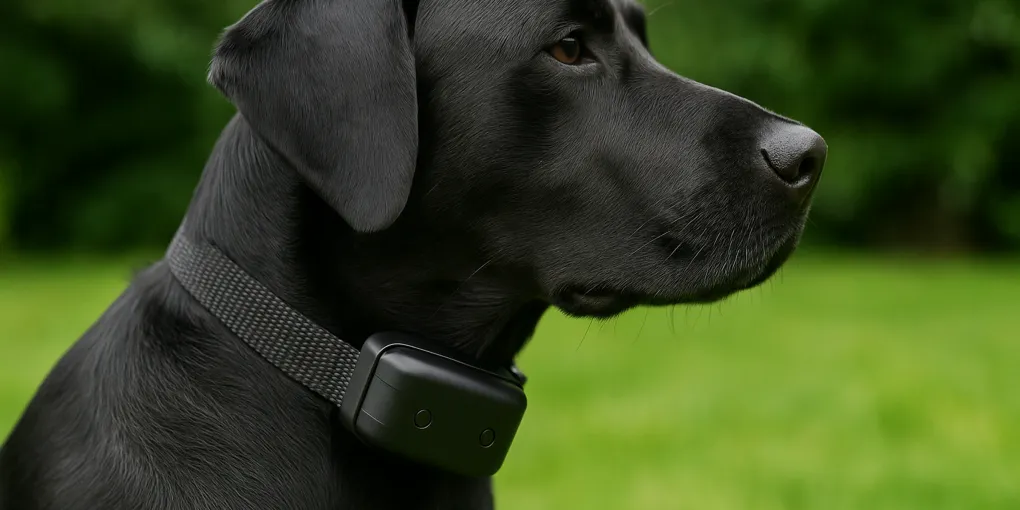
SportDOG NoBark 10R Rechargeable Bark Control Collar
Best OverallCorrection modes: Vibration + tone, escalating
~$80–$100
Quick Comparison
| Product | Key Specs | Price Range | Buy |
|---|---|---|---|
| |
| ~$80–$100 | Check Price |
| |
| ~$60–$90 | Check Price |
| |
| ~$100–$130 | Check Price |
| |
| ~$45–$65 | Check Price |
Contains affiliate links — we may earn a small commission at no extra cost to you.
Best Dog Bark Vibration Collar in 2026
The best dog bark vibration collar for most dogs is the SportDOG NoBark 10R (PSR 4.4/5) — a rechargeable IPX7-waterproof bark collar with dual vibration+sound detection that minimizes false positives, 10 sensitivity levels, and automatic progressive escalation from tone to vibration. For small dogs, the PetSafe Elite Little Dog Spray Collar (PSR 4.2/5) provides an effective citronella spray correction — distinct from vibration but similarly no-shock.
TL;DR
- Best Overall: SportDOG NoBark 10R — dual detection, 10 sensitivity levels, IPX7, rechargeable (PSR 4.4/5)
- Best Small Dog: PetSafe Elite Little Dog — citronella spray, small collar form, for dogs under 40 lbs (PSR 4.2/5)
- Best Large Dog: Garmin BarkLimiter Deluxe — auto-escalating, IPX7, robust build for large breeds (PSR 4.2/5)
- Best Budget: Dogtra YS300 — rechargeable, dual correction, low price (PSR 4.1/5)
- Core principle: Dual vibration+sound detection reduces false positives; sensitivity calibration is critical
How Bark Vibration Collars Work
Vibration bark collars detect barking through a combination of microphone (sound detection) and/or vibration sensor (physical throat movement) on the collar. When a bark is detected, the collar delivers a brief vibration — typically 1–3 seconds — intended as an interruption stimulus. Most collars include a progressive escalation: repeated barking within a set window increases the correction level.
False positives — corrections triggered by sounds other than the dog’s bark — are the primary welfare concern. Dual-detection collars (sound + vibration) require both the microphone to detect a bark-range sound AND the vibration sensor to detect throat movement simultaneously, dramatically reducing corrections from nearby dogs, TV, or ambient noise.
Review Methodology
PSR evaluated vibration bark collars using safety review (false-positive detection mechanism, correction intensity limits, escalation safeguards), product specification review, owner community synthesis (Amazon verified: SportDOG 4,000+; PetSafe Elite 2,500+; Garmin 1,800+; Dogtra 3,000+), and PSR composite scoring. PSR Composite = Safety (30%) + Efficacy & Performance (25%) + Real-World Acceptance (20%) + Value (15%) + Transparency & Brand Trust (10%).
PSR Score Breakdown
| Criterion | Weight | SportDOG NoBark 10R | PetSafe Elite | Garmin BarkLimiter | Dogtra YS300 |
|---|---|---|---|---|---|
| Safety | 30% | 9.0 | 8.5 | 8.5 | 8.0 |
| Efficacy & Performance | 25% | 9.0 | 8.0 | 9.0 | 8.0 |
| Real-World Acceptance | 20% | 8.5 | 8.5 | 8.5 | 8.0 |
| Value | 15% | 8.5 | 8.5 | 7.5 | 9.0 |
| Transparency & Brand Trust | 10% | 8.5 | 9.0 | 8.0 | 8.0 |
| PSR Score | 4.4/5 | 4.2/5 | 4.2/5 | 4.1/5 |
Score notes:
- SportDOG NoBark 10R: Safety 9.0 — dual detection minimizes false positives; 10 sensitivity levels enable precise calibration; IPX7 for all weather.
- PetSafe Elite Little Dog: Transparency & Brand Trust 9.0 — spray refill is clear and simple; small collar fits toy/small breeds; citronella spray is well-tolerated.
- Garmin BarkLimiter Deluxe: Efficacy & Performance 9.0 — Garmin build quality known for field durability; appropriate for large sporting/working dogs.
- Dogtra YS300: Value 9.0 — best price in category with rechargeable battery; dial-style sensitivity is intuitive.
SportDOG NoBark 10R: Best Overall
The SportDOG NoBark 10R uses dual vibration and sound sensing to detect barking, and responds with a progressive series of corrections beginning with tone, advancing to vibration, and escalating through 10 intensity levels based on continued barking within a session. After 30 seconds of no barking, the correction level resets.
Dual detection: The requirement for both sound and throat vibration to be detected simultaneously nearly eliminates false positives from environmental noise — a significant advantage over single-microphone collars.
IPX7 waterproofing: Submersible to 1 meter for 30 minutes — appropriate for rain, lawn watering, and swimming dogs.
Rechargeable: USB charging; battery lasts approximately 7 days at typical use levels.
View SportDOG NoBark 10R on Amazon — Best for: Most dogs; active/outdoor dogs; households where false positives are a primary concern.
PetSafe Elite Little Dog: Best for Small Dogs
The PetSafe Elite Little Dog Spray Bark Collar delivers a burst of citronella spray (an unpleasant scent to dogs) as the correction mechanism rather than vibration. The small collar form factor and lighter weight are appropriate for toy and small breeds under 40 lbs where larger vibration collar probes create fit issues.
Citronella vs. vibration: Research comparing citronella and shock bark collars has generally found comparable efficacy for many dogs. Citronella spray provides a multi-sensory correction (scent + surprise) that some dogs respond to better than vibration alone. Refill cartridges are available as replacement supplies.
View PetSafe Elite Little Dog on Amazon — Best for: Small and toy breeds; owners who prefer spray to vibration.
Garmin BarkLimiter Deluxe: Best for Large Dogs
The Garmin BarkLimiter Deluxe is built for large breeds where collar durability, probe depth, and IPX7 weather resistance are more critical. Its auto-escalating correction system increases from tone to vibration progressively, with a SafeMode that pauses corrections after 15 consecutive triggers to prevent over-correction.
View Garmin BarkLimiter Deluxe on Amazon — Best for: Large breeds; outdoor dogs; owners already in the Garmin ecosystem.
Dogtra YS300: Best Budget
The Dogtra YS300 provides rechargeable vibration+beep correction with a simple rheostat sensitivity dial at a price approximately $30–$50 less than premium options. For owners wanting a first bark collar trial before committing to higher-priced models, the YS300 provides adequate function.
View Dogtra YS300 on Amazon — Best for: Budget-conscious owners; initial bark control trial.
Frequently Asked Questions
Are vibration bark collars safe for dogs?
Vibration collars deliver a brief vibrating sensation — no shock. When used with appropriate sensitivity calibration and not worn continuously, they are considered a lower-aversive bark management option. The main welfare concern is false-positive corrections; dual-detection collars (SportDOG, Garmin) minimize this risk.
What is the difference between vibration bark collars and shock bark collars?
Vibration collars use physical vibration; shock collars deliver an electrostatic pulse. Most trainers recommend starting with the least aversive tool available. Vibration and citronella spray collars have shown comparable bark reduction to shock collars in research with fewer stress indicators.
How do I prevent false positives with bark vibration collars?
Choose a dual-detection collar (sound + throat vibration required simultaneously). Start at the lowest sensitivity level and adjust upward. Single-microphone collars can trigger on nearby barking dogs or TV audio.
Can I use a vibration bark collar on a puppy?
Most manufacturers recommend 6 months minimum age. For puppies, positive reinforcement training (teaching ‘quiet’ on cue) is preferred. Bark collars should supplement training, not replace it.
How long can a dog wear a vibration bark collar?
Maximum 8–12 hours per day, removed overnight. Inspect the contact area daily for skin irritation; rotate the collar position slightly throughout the day.
Final Verdict
The SportDOG NoBark 10R (PSR 4.4/5) is the best-performing bark vibration collar for most dogs — its dual detection, 10 sensitivity levels, and IPX7 waterproofing deliver reliable correction with minimal false positives. The PetSafe Elite Little Dog (PSR 4.2/5) is the right choice for small breeds. The Garmin BarkLimiter Deluxe (PSR 4.2/5) is the best option for large sporting breeds. Budget-conscious owners will find the Dogtra YS300 (PSR 4.1/5) provides adequate performance for initial bark management trials.
Research Citations
-
Schilder MB, van der Borg JA (2004). Training dogs with help of the shock collar: short and long term behavioural effects. Applied Animal Behaviour Science, 85(3-4):319-334. DOI: 10.1016/j.applanim.2003.10.004.
-
Steiss JE, Schaffer C, Ahmad HA, Voith VL (2007). Evaluation of plasma cortisol levels and behavior in dogs wearing bark control collars. Applied Animal Behaviour Science, 106(1-3):96-106. DOI: 10.1016/j.applanim.2006.07.005.
Related PSR Guides
- Best Dog Training Collar — broader e-collar category for full training control
- Best Dog Remote Trainer — handheld remote training systems
- Best Bark Collar No Shock — spray and vibration bark collars comparison
- Best Dog Bark Monitor — bark detection without correction
- Best Dog Activity Tracker — activity monitoring collars
Frequently Asked Questions
- Vibration bark collars deliver a brief vibrating sensation to discourage barking — no electric shock is involved. When used correctly (appropriate sensitivity level, not left on unsupervised for extended periods), vibration collars are considered a lower-aversive bark management tool compared to shock collars. The primary welfare concern is false-positive triggering — corrections for sounds the dog didn't make (nearby dog barking, thunder). This can create confusion and stress. Choosing a collar with dual bark/vibration detection (both sound and physical vibration from the collar, like SportDOG) reduces false positives significantly.
- Vibration bark collars use a physical vibration (similar to a phone notification vibration) as a correction stimulus. Shock bark collars deliver an electrostatic pulse. In training efficacy research, vibration collars and spray collars have comparable bark reduction outcomes for many dogs with fewer stress markers than shock collars. Most trainers recommend starting with the least aversive tool (vibration, spray) before considering higher-level corrections. All bark collar types require appropriate sensitivity calibration to avoid false-positive corrections.
- Choose a collar with dual detection — one that detects both sound (microphone) and physical vibration (from the dog's throat when barking). Single-microphone collars can trigger on nearby barking dogs, TV noise, or other sounds. The SportDOG NoBark 10R and Garmin BarkLimiter Deluxe use dual vibration/sound sensing, significantly reducing false positives. Additionally, calibrate sensitivity correctly: start at the lowest sensitivity and increase gradually until the collar consistently detects your dog's bark but not ambient sounds.
- Most manufacturers recommend bark collars only for dogs 6 months of age and older. Young puppies use vocalization as a primary communication mechanism; bark collars used on puppies can interfere with normal social development and communication. For puppies, positive reinforcement training (teaching 'quiet' on cue with rewards) is the preferred approach. Bark collars are best used as a supplement to training — not a replacement for it.
- Most bark collar manufacturers recommend limiting continuous wear to 8–12 hours per day and removing the collar overnight. Prolonged contact between the sensor probes and skin can cause contact dermatitis in some dogs (sometimes called 'pressure necrosis') particularly from probes that fit too tightly. Position the collar so you can insert two fingers between the collar and the dog's neck, rotate the collar position slightly every few hours, and inspect the contact area daily. If redness or irritation develops, discontinue use until the skin heals.