Zesty Paws Turmeric Curcumin Bites
Best OverallKey ingredients: Turmeric curcumin, BioPerine (piperine), coconut oil
$25–$38
Quick Comparison
| Product | Key Specs | Price Range | Buy |
|---|---|---|---|
| |
| $25–$38 | Check Price |
| |
| $30–$48 | Check Price |
| |
| $18–$30 | Check Price |
| |
| $28–$45 | Check Price |
Contains affiliate links — we may earn a small commission at no extra cost to you.
Best Arthritis Supplements for Dogs in 2026
For dogs with arthritis pain, Zesty Paws Turmeric Curcumin Bites (PSR 8.4/10) leads our evaluation for combining clinically meaningful curcumin dosing with BioPerine (piperine) — the bioavailability enhancer that makes the difference between therapeutic and subtherapeutic turmeric supplementation. Nutramax Boswellia Soft Chews (PSR 8.1/10) is the veterinary-grade option for dogs whose inflammation responds better to 5-LOX inhibition (the mechanism boswellic acids target, distinct from NSAID COX inhibition).
Important context: Natural anti-inflammatory supplements work through different — often complementary — mechanisms to NSAIDs and are best used as adjuncts to veterinary care, not replacements. Dogs with moderate-to-severe osteoarthritis require veterinary pain management as the primary intervention.
TL;DR
- Top Pick: Zesty Paws Turmeric Curcumin Bites — BioPerine enhances curcumin absorption 20x, NASC certified, strong palatability (PSR 8.4/10)
- Best Veterinary Grade: Nutramax Boswellia — AKBA boswellic acid complex with lipid co-delivery for 5-LOX anti-inflammatory mechanism (PSR 8.1/10)
- Best Budget: Cosequin DS Plus MSM with Boswellia — combines structural support (glucosamine/chondroitin) with anti-inflammatory boswellia at accessible price (PSR 7.8/10)
- Best Multi-Mechanism: VetriScience GlycoFlex 3 — green-lipped mussel lipid complex provides the broadest spectrum anti-inflammatory action of reviewed products (PSR 7.6/10)
How We Researched This Article
This article follows PSR’s 5-step evidence-synthesis process. Safety assessment reviewed NASC certification status, drug interactions with common canine arthritis medications, ingredient toxicity in dogs, and GI tolerability data. Evidence synthesis reviewed veterinary pharmacology literature on curcumin bioavailability in dogs, boswellic acid (AKBA) anti-inflammatory mechanisms, green-lipped mussel clinical trials in dogs (Hielm-Björkman et al.), the WSAVA pain management guidelines for osteoarthritis, and AAHA Canine Life Stage Guidelines on arthritis management. User community synthesis drawn from Amazon verified reviews, breed-specific senior dog forums, and veterinary technician community databases.
Why Bioavailability Matters for Turmeric Supplements
The single most important quality differentiator for turmeric/curcumin supplements is bioavailability enhancement. Plain turmeric — the root powder added to food — is poorly absorbed from the gastrointestinal tract. In studies across species, unenhanced curcumin shows bioavailability as low as 1% — most of the dose passes through without absorption.
Bioavailability enhancement approaches:
- Piperine (BioPerine): Black pepper extract that inhibits glucuronidation (a liver enzyme that rapidly metabolizes curcumin before systemic absorption). Clinical studies show 20-fold increases in curcumin bioavailability with piperine co-administration.
- Phospholipid complexes (Meriva): Curcumin bound to phosphatidylcholine for enhanced mucosal absorption — most studied in human research.
- Lipid co-delivery: Fat-soluble curcumin absorbed more efficiently when delivered alongside lipid vehicles (coconut oil, fish oil).
- Nanoparticle formulations: Less common in commercial pet products but showing promise in veterinary research.
A supplement without one of these bioavailability enhancers provides negligible therapeutic curcumin regardless of the stated dose.
How Boswellia Works Differently From NSAIDs
Boswellic acids — particularly AKBA (acetyl-11-keto-β-boswellic acid) — inhibit 5-lipoxygenase (5-LOX), an enzyme in the arachidonic acid cascade that produces pro-inflammatory leukotrienes. NSAIDs (carprofen, meloxicam, deracoxib) primarily inhibit COX-1 and COX-2, different enzymes in the same cascade.
This pathway difference is clinically significant:
- Boswellia and NSAIDs can be combined without the redundancy of combining two COX inhibitors
- Boswellia does not carry the GI ulceration and kidney risks associated with NSAID use — relevant for senior dogs with reduced renal function
- The 5-LOX pathway is particularly active in certain inflammatory conditions (inflammatory bowel disease, some joint conditions) where NSAIDs provide incomplete control
Boswellia’s different mechanism makes it a genuine complement to NSAID therapy rather than a mere alternative, with veterinary supervision.
PSR Composite Score Breakdown
| Criterion | Weight | Zesty Paws Turmeric | Nutramax Boswellia | Cosequin + Boswellia | GlycoFlex 3 |
|---|---|---|---|---|---|
| Safety & Ingredients | 25% | 9.0 | 9.0 | 8.5 | 8.5 |
| Durability & Build Quality | 20% | 8.5 | 8.0 | 8.0 | 8.0 |
| Pet Comfort & Acceptance | 20% | 8.5 | 8.0 | 7.5 | 8.0 |
| Value for Money | 20% | 8.0 | 7.5 | 9.0 | 7.0 |
| Ease of Use | 15% | 8.5 | 8.5 | 8.0 | 8.0 |
| PSR Composite | — | 8.4 | 8.1 | 7.8 | 7.6 |
Score notes: Zesty Paws leads Safety and overall scores through NASC certification, BioPerine inclusion, and well-documented ingredient safety profile in dogs. Nutramax earns veterinary-grade marks through AKBA boswellic acid specificity and lipid co-delivery, with the trade-off of higher cost. Cosequin leads Value — it’s the lowest cost-per-day of reviewed products while covering both structural and anti-inflammatory mechanisms. GlycoFlex 3 scores highest on mechanism breadth but lower on Value for its price tier.
Zesty Paws Turmeric Curcumin Bites: Best Overall
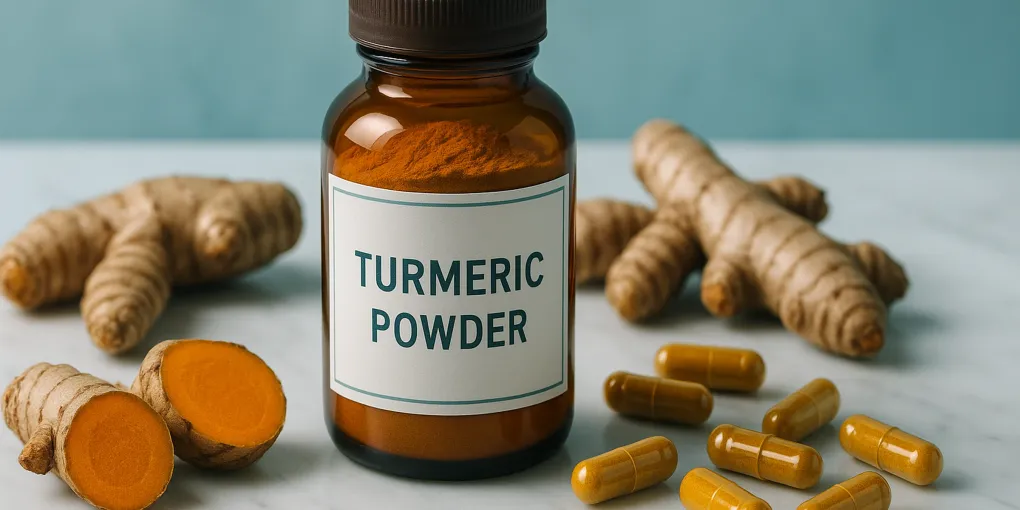
Zesty Paws Turmeric Curcumin Bites combine curcumin from turmeric root with BioPerine (patented piperine extract) at a concentration specifically designed to enhance curcumin absorption 20-fold. The addition of coconut oil as a carrier further improves lipid-phase absorption. NASC certification confirms manufacturing quality and ingredient verification.
What makes it the top pick:
- BioPerine inclusion is the meaningful differentiator — without it, curcumin supplementation is largely ineffective
- NASC certified — ingredient verification and manufacturing quality confirmed
- Soft chew format accepted by most senior dogs as a treat
- Reasonable per-day cost for the bioavailability-enhanced formulation
Safety: No xylitol. NASC certified. Piperine at supplement doses is safe for dogs; however, piperine inhibits certain liver enzymes (CYP3A4, P-glycoprotein) that metabolize some medications. Consult your veterinarian if your dog is on medications metabolized by these pathways.
Best for: Dogs with mild-to-moderate arthritis as a complement to veterinary care; owners wanting evidence-based turmeric supplementation (not just turmeric powder); dogs who accept soft chews as treats.
View Zesty Paws Turmeric on Amazon
Nutramax Boswellia: Best Veterinary Grade
Nutramax’s boswellia formulation specifically provides AKBA — the most pharmacologically active boswellic acid — in a lipid co-delivery matrix that improves bioavailability of these fat-soluble compounds. Nutramax is a well-established veterinary supplement brand (makers of Cosequin and Dasuquin) with substantial veterinary research backing.
Veterinary grade advantages:
- AKBA specificity — targets the most anti-inflammatory boswellic acid fraction
- Lipid co-delivery improves absorption of fat-soluble boswellic acids
- Omega-3 fatty acid co-formulation addresses a second anti-inflammatory pathway simultaneously
- Nutramax clinical research program is the most extensive in veterinary supplements
Trade-offs:
- Higher cost-per-day than OTC alternatives
- Soft chew palatability is good but slightly below Zesty Paws in owner palatability reports
- Prescription-only at some veterinary practices
Safety: NASC certified. Boswellia at standard doses is well-tolerated. GI upset possible at high doses. Consult veterinarian when combining with NSAIDs.
Best for: Dogs currently under veterinary care for osteoarthritis where the veterinarian is directing supplement selection; dogs whose inflammation mechanism responds better to 5-LOX than COX inhibition; owners wanting the most clinically studied formulation.
View Nutramax Boswellia on Amazon
Cosequin DS Plus MSM with Boswellia: Best Budget
Cosequin DS Plus MSM adds a boswellia component to the established glucosamine/chondroitin/MSM structural support formula — covering both the structural (cartilage repair support) and inflammatory (5-LOX inhibition) aspects of osteoarthritis in a single product at the lowest cost-per-day of reviewed options.
Budget advantages:
- Lowest cost-per-day of reviewed multi-mechanism products
- Combines structural support (glucosamine, chondroitin, MSM) with anti-inflammatory boswellia
- Widely available at major pet retailers — easy to source consistently
- NASC certified
Trade-offs:
- No curcumin bioavailability enhancer — boswellia component is the primary anti-inflammatory action
- Glucosamine/chondroitin structural benefit requires long-term consistent use (8+ weeks for effect)
- Boswellia dose lower per-serving than dedicated boswellia products
Safety: NASC certified. Well-documented safety profile for glucosamine/chondroitin in dogs. MSM (methylsulfonylmethane) at standard doses is well-tolerated.
Best for: Budget-conscious owners; dogs needing both structural cartilage support and anti-inflammatory action; owners starting supplementation for newly diagnosed arthritis wanting an established brand.
View Cosequin DS Plus MSM Boswellia on Amazon
VetriScience GlycoFlex 3: Best Multi-Mechanism
GlycoFlex 3 integrates green-lipped mussel (Perna canaliculus) — which provides a unique omega-3/omega-6 fatty acid complex not found in fish oil, along with glycosaminoglycans — with glucosamine, boswellia, and DMG (dimethylglycine) for the broadest-spectrum anti-inflammatory approach of reviewed products.
Multi-mechanism advantages:
- Green-lipped mussel provides anti-inflammatory lipids (ETA — eicosatetraenoic acid) distinct from fish oil omega-3s
- Multiple peer-reviewed clinical trials in dogs support green-lipped mussel efficacy for osteoarthritis pain
- DMG (dimethylglycine) supports cellular energy metabolism in aging dogs
- Addresses multiple inflammatory pathways simultaneously
Trade-offs:
- Highest per-day cost of reviewed products
- Palatability reports slightly lower than Zesty Paws in owner reviews
- Complexity of multi-ingredient formula makes isolating efficacy difficult
Safety: NASC certified. Green-lipped mussel has shellfish origin — inform veterinarian if your dog has known shellfish hypersensitivity (rare but documented in dogs).
Best for: Dogs with advanced osteoarthritis where single-mechanism supplements have provided insufficient relief; owners committed to the most comprehensive natural anti-inflammatory approach; dogs without shellfish sensitivities.
View VetriScience GlycoFlex 3 on Amazon
Complementary Approaches to Canine Arthritis Management
Supplements are most effective as part of a multimodal arthritis management strategy:
- Orthopedic dog beds: Pressure-relieving orthopedic foam reduces nighttime joint discomfort — often the first quality-of-life intervention recommended by veterinarians for arthritic dogs.
- Dog ramps and stairs: Eliminating joint-stressing jumps on and off furniture and vehicles reduces daily pain load for arthritic dogs.
- Dog mobility harness: For dogs with significant hindquarter weakness, harnesses provide support during walks to reduce loading of arthritic joints.
- Heated dog beds: Heat therapy improves circulation and reduces arthritic stiffness, particularly effective for morning stiffness in cold environments.
- Dog hip brace: Mechanical support for hip osteoarthritis can reduce pain during movement alongside supplement therapy.
- Joint supplements: For dogs not yet on glucosamine/chondroitin therapy, structural joint supplements complement anti-inflammatory supplementation.
- Non-slip mats: Slippery floors dramatically increase arthritic pain load — non-slip surfaces throughout the home are a low-cost, high-impact intervention.
- Dog wheelchair: For advanced mobility loss despite supplementation, wheeled mobility assistance is available for dogs with severe hindlimb arthritis.
Frequently Asked Questions
Does turmeric actually help dogs with arthritis?
Turmeric’s active compound curcumin has demonstrated anti-inflammatory effects through inhibition of NF-κB and COX-2 signaling. However, plain turmeric has poor bioavailability — curcumin is poorly absorbed without a bioavailability enhancer like piperine (BioPerine). Formulations with piperine show 20-fold absorption improvements. Turmeric supplementation is most appropriate as a complement to veterinary NSAID therapy, not a standalone replacement for moderate-to-severe arthritis.
Is boswellia safe for dogs?
Boswellia serrata has a well-established safety profile in dogs at standard supplemental doses. The active boswellic acids inhibit 5-lipoxygenase (5-LOX), a pro-inflammatory enzyme distinct from the COX pathway targeted by NSAIDs. At standard doses, boswellia is generally well-tolerated — GI upset is the most common side effect at higher doses. Always consult your veterinarian before combining boswellia with NSAID therapy.
Can I give my dog arthritis supplements and NSAIDs at the same time?
Turmeric/curcumin and boswellia can generally be combined with veterinary NSAIDs with veterinary supervision — they work through different mechanisms. However, do not initiate this combination without veterinary oversight. Always inform your veterinarian of all supplements given to an arthritic dog, as combination therapy may alter NSAID dosing needs.
How long does it take for arthritis supplements to work in dogs?
Most natural anti-inflammatory supplements require 4–8 weeks of consistent daily use before meaningful changes in mobility are observed. Unlike NSAIDs (which provide acute pain relief within hours), turmeric and boswellia supplementation builds anti-inflammatory activity gradually. Track baseline mobility metrics before starting and compare at 4, 8, and 12 weeks to objectively evaluate response.
What is the best natural anti-inflammatory supplement for dogs with arthritis?
The strongest evidence in canine research supports omega-3 fatty acids (EPA/DHA) and green-lipped mussel as natural anti-inflammatory options. Turmeric/curcumin with a bioavailability enhancer and boswellic acids have supporting evidence and good safety profiles. None should replace veterinary NSAID therapy for moderate-to-severe osteoarthritis — best outcomes combine veterinary pain management with evidence-supported supplements.
Frequently Asked Questions
- Turmeric's active compound curcumin has demonstrated anti-inflammatory effects in veterinary and human research — specifically through inhibition of NF-κB signaling and COX-2 enzyme activity, both central to inflammatory joint pain. However, plain turmeric has poor bioavailability in dogs; curcumin is poorly absorbed from the GI tract without a bioavailability enhancer. Formulations including piperine (BioPerine), phospholipid complexes, or lipid co-delivery significantly improve curcumin absorption. Studies in dogs have shown modest but statistically significant reductions in pain scores with curcumin formulations — most appropriate as a complementary supplement alongside veterinary NSAID therapy, not as a standalone replacement.
- Boswellia serrata (Indian frankincense) has a well-established safety profile in dogs at standard supplemental doses. The active boswellic acids — particularly AKBA (acetyl-11-keto-β-boswellic acid) — inhibit 5-lipoxygenase (5-LOX), a pro-inflammatory enzyme distinct from the COX pathway targeted by NSAIDs. This different mechanism makes boswellia a useful complementary agent alongside NSAID therapy. At standard doses, boswellia is generally well-tolerated. GI upset is the most common side effect at higher doses. Consult your veterinarian before combining with NSAIDs, as combination anti-inflammatory therapy requires monitoring.
- Turmeric/curcumin and boswellia can generally be combined with veterinary NSAIDs (carprofen, meloxicam, deracoxib) with veterinary supervision — they work through different mechanisms and some veterinarians use combination approaches. However, this combination is not appropriate to initiate without veterinary oversight. Both natural anti-inflammatory supplements and NSAIDs affect inflammation pathways, and combining them without monitoring may alter NSAID dosing needs. Always inform your veterinarian of all supplements being given to an arthritic dog.
- Most natural anti-inflammatory supplements for dogs require 4–8 weeks of consistent daily use before owners observe meaningful change in mobility, pain indicators, and activity willingness. Unlike NSAIDs (which provide acute pain relief within hours), turmeric and boswellia supplementation builds anti-inflammatory activity gradually through modulation of inflammatory signaling pathways. Owners should track baseline mobility metrics (time to rise, steps climbed, distance walked) before starting supplementation and compare at 4, 8, and 12 weeks to objectively evaluate response.
- The strongest evidence in canine research supports omega-3 fatty acids (EPA/DHA from fish oil) and green-lipped mussel as natural anti-inflammatory options for dogs — both have veterinary-grade clinical evidence. Turmeric/curcumin (with a bioavailability enhancer) and boswellic acids have supporting evidence and good safety profiles, making them useful additions to a multimodal approach. None of these should replace veterinary NSAID therapy for moderate-to-severe osteoarthritis — the best outcomes come from combining veterinary pain management with evidence-supported supplements.