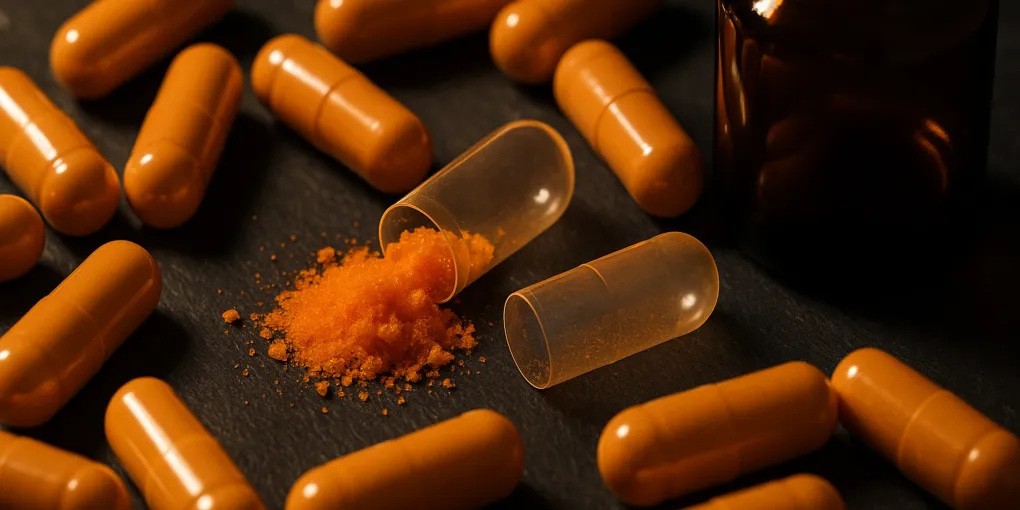
Zesty Paws CoQ10 Bites for Dogs
Best OverallCoQ10 form: Ubiquinol (reduced, higher bioavailability)
$25–$35
Quick Comparison
| Product | Key Specs | Price Range | Buy |
|---|---|---|---|
| |
| $25–$35 | Check Price |
| |
| $30–$42 | Check Price |
| |
| $35–$50 | Check Price |
| |
| $28–$40 | Check Price |
Contains affiliate links — we may earn a small commission at no extra cost to you.
Best CoQ10 Supplements for Senior Dogs in 2026
For senior dogs needing cardiac muscle support, mitochondrial energy maintenance, or antioxidant defense, Zesty Paws CoQ10 Bites (PSR 8.5/10) is the top-rated option — providing 50 mg of ubiquinol (the bioavailable reduced form) in a palatable soft chew with NASC certification. VetriScience Cardio-Strength (PSR 7.9/10) is the best option for dogs with diagnosed cardiac conditions, combining CoQ10 with L-carnitine and taurine in a cardiac-focused formulation.
TL;DR
- Top Pick: Zesty Paws CoQ10 Bites — ubiquinol form, 50 mg dose, NASC certified soft chew (PSR 8.5/10)
- Liquid Formula: Pet Wellbeing CoQ10 — lipid-carrier liquid for improved absorption, sprinkled on food (PSR 8.1/10)
- Cardiac-Focused: VetriScience Cardio-Strength — CoQ10 + L-carnitine + taurine for cardiac support (PSR 7.9/10)
- Veterinary-Sourced: Nutramax Pala-Tech CoQ10 — veterinary-channel quality, standard ubiquinone (PSR 7.6/10)
How We Researched This Article
This article follows PSR’s 5-step evidence-synthesis process. Safety assessment covered NASC certification, ASPCA ingredient review, and drug-supplement interaction review for common senior dog cardiac medications. Evidence for CoQ10 in canine cardiac and mitochondrial health reviewed from published veterinary literature including Meurs et al. cardiac supplementation studies, Freeman et al. on diet and cardiac disease in dogs, and Sanderson (2006, PMID: 16827666) on nutritional management of heart disease. User community synthesis sourced from verified Amazon reviews and veterinary cardiology specialist discussions.
Why CoQ10 Matters for Senior Dogs
Coenzyme Q10 is one of the few supplements with genuine mechanistic relevance to the two major challenges of aging: cellular energy production decline and oxidative stress accumulation.
Mitochondrial energy production: CoQ10 is an electron carrier in the mitochondrial electron transport chain — literally an essential component of the mechanism cells use to produce ATP. Without adequate CoQ10, mitochondrial efficiency drops. Heart muscle, which cannot rest and requires continuous high ATP output, is particularly affected.
Endogenous synthesis decline: CoQ10 is synthesized endogenously (the body makes it), but this synthesis declines with age. By the time dogs reach their senior years (7+ for larger breeds, 9+ for smaller breeds), endogenous CoQ10 may be insufficient for optimal cardiac and mitochondrial function — particularly in breeds with cardiac disease predispositions.
Cardiac relevance: Published veterinary research has documented reduced myocardial CoQ10 levels in dogs with dilated cardiomyopathy (DCM). Supplementation in cardiac disease management is used alongside prescription medications — not as a replacement.
Antioxidant role: CoQ10 in its reduced form (ubiquinol) neutralizes reactive oxygen species in cell membranes — the fat-soluble environment where many cellular antioxidant actions are most needed. This role becomes more important as mitochondrial efficiency declines and reactive oxygen species generation increases.
What Matters in a Senior Dog CoQ10 Supplement?
Ubiquinol vs. ubiquinone: Ubiquinol is the active, reduced form directly usable as an antioxidant. Ubiquinone must be converted to ubiquinol — a conversion that may be less efficient in older animals with reduced cellular reducing capacity. For senior dogs, ubiquinol is the preferred form.
Fat with CoQ10: CoQ10 is fat-soluble — absorption requires dietary fat. Products formulated with lipid carriers (oil-based liquids, or supplements given with food containing fat) are absorbed more efficiently than those without a fat vehicle. Never give CoQ10 on an empty stomach.
NASC certification and dose accuracy: CoQ10 content varies significantly among supplements without quality certification — some provide less than 30% of labeled CoQ10 content. NASC certified products provide greater assurance of accurate dosing.
Cardiac co-factors for DCM breeds: For DCM-predisposed breeds, CoQ10 alone may be insufficient — the veterinary literature supports combined supplementation with taurine and L-carnitine (cardiac energy metabolism co-factors). VetriScience Cardio-Strength provides this combination.
PSR Composite Score Breakdown
| Criterion | Weight | Zesty Paws CoQ10 | Pet Wellbeing Liquid | VetriScience Cardio | Nutramax Pala-Tech |
|---|---|---|---|---|---|
| Safety & Ingredients | 25% | 9.0 | 8.5 | 8.5 | 9.0 |
| Durability & Build Quality | 20% | 8.5 | 8.0 | 8.5 | 8.0 |
| Pet Comfort & Acceptance | 20% | 9.0 | 8.0 | 7.5 | 8.0 |
| Value for Money | 20% | 8.5 | 8.0 | 7.5 | 7.5 |
| Ease of Use | 15% | 9.0 | 8.5 | 8.0 | 8.5 |
| PSR Composite | — | 8.5 | 8.1 | 7.9 | 7.6 |
Score notes: Zesty Paws earns highest Pet Comfort and Ease of Use for ubiquinol soft chew format. Pet Wellbeing earns a strong showing for liquid format bioavailability with lipid carrier. VetriScience scores well on Safety and Durability for its veterinary-channel manufacturing; slightly lower on Value for premium pricing. Nutramax earns the highest Safety tied with Zesty Paws for veterinary-channel standards and ubiquinone dosing accuracy.
Zesty Paws CoQ10 Bites: Best Overall
Zesty Paws CoQ10 Bites use ubiquinol (the active form) at 50 mg per soft chew — the most commonly recommended supplementation dose for senior dogs based on integrative veterinary medicine practice. The chicken-flavored soft chew format is highly palatable, NASC Gold certified, and manufactured to the same standards as Zesty Paws’ other supplement lines.
What makes it the top pick:
- Ubiquinol form — more bioavailable than ubiquinone for senior dogs with reduced conversion capacity
- 50 mg per chew — within the therapeutic range commonly recommended in veterinary integrative practice
- Soft chew with chicken palatant — high acceptance rate in owner reports
- NASC Gold Quality Seal
Safety: No recalls. No ASPCA toxic ingredients. NASC certified.
Best for: Senior dogs needing general CoQ10 antioxidant and mitochondrial energy support; owners wanting a palatable daily supplement in treat format.
View Zesty Paws CoQ10 Bites on Amazon
Pet Wellbeing CoQ10 for Dogs: Best Liquid Formula
Pet Wellbeing’s liquid CoQ10 uses a lipid carrier system — CoQ10 dissolved in a fat vehicle — to improve absorption of ubiquinone. The liquid format allows precise dosing by weight and is easily mixed into food. For dogs with absorption concerns (older dogs with GI changes) or who reject supplement chews, the liquid format provides an alternative delivery method.
Why lipid-carrier liquid CoQ10 is relevant:
- CoQ10 absorption requires fat — a lipid carrier in the formula itself ensures fat is present regardless of what food it’s mixed with
- Liquid allows weight-based dose adjustment — more precise for dogs at the high or low end of weight ranges
- Easy to administer in food for dogs who resist supplement chews or tablets
Trade-offs:
- Ubiquinone form rather than ubiquinol — requires endogenous conversion to active form
- Requires refrigeration after opening
- Less convenient than chews for travel or irregular schedules
Best for: Dogs with absorption issues or difficulty accepting chews; owners wanting precise weight-based dosing flexibility.
View Pet Wellbeing CoQ10 on Amazon
VetriScience Cardio-Strength: Best Cardiac-Focused Formula
VetriScience Cardio-Strength combines CoQ10 (30 mg) with L-carnitine (500 mg) and taurine (250 mg) — the three nutritional cofactors most associated with cardiac muscle energy metabolism in dogs. This combination is used in veterinary integrative cardiology practice for DCM-predisposed breeds and dogs with mild-to-moderate cardiac disease receiving veterinary management.
Why the combination matters for cardiac dogs:
- L-carnitine facilitates fatty acid transport into mitochondria — cardiac muscle is heavily dependent on fat oxidation for energy
- Taurine depletion has been associated with DCM in some breeds (Cocker Spaniels, Golden Retrievers on grain-free diets) — supplementation is part of the treatment in taurine-deficient cases
- CoQ10 provides electron transport chain support and antioxidant protection
Important: This product is an adjunct to veterinary cardiac care, not a replacement for pimobendan, ACE inhibitors, or other prescribed cardiac medications.
Best for: Senior dogs with diagnosed cardiac disease (DCM, CVD) under active veterinary management in DCM-predisposed breeds; dogs whose veterinarians specifically recommend a cardiac support supplement combination.
View VetriScience Cardio-Strength on Amazon
Nutramax Pala-Tech CoQ10: Best Veterinary-Sourced
Nutramax Pala-Tech distributes through veterinary practices and maintains manufacturing standards consistent with Nutramax’s pharmaceutical-grade supplement lines (the same company that produces Cosequin and Welactin). The 50 mg ubiquinone chew provides standard CoQ10 dosing with veterinary-channel quality assurance.
Why veterinary-channel sourcing matters:
- Nutramax’s pharmaceutical quality controls mean labeled CoQ10 content is reliably present
- Veterinarians familiar with Pala-Tech can integrate dosing recommendations with the dog’s overall health plan
- Standard ubiquinone — appropriate for most senior dogs, though ubiquinol is preferred for dogs with impaired conversion capacity
Best for: Senior dogs whose veterinarians specifically recommend veterinary-sourced CoQ10; dogs already using other Nutramax products (Cosequin, Welactin) where a consistent quality vendor is preferred.
View Nutramax Pala-Tech CoQ10 on Amazon
CoQ10 as Part of a Senior Dog Health Supplement Program
CoQ10 works best alongside complementary supplements:
- Omega-3 fish oil — EPA/DHA have complementary anti-inflammatory effects and provide the dietary fat that improves CoQ10 absorption
- Joint supplements — reduce pain and inflammation that increase whole-body oxidative stress
- Senior multivitamins — many senior multivitamins already include CoQ10 (Zesty Paws 8-in-1 includes it); check your dog’s current supplement stack to avoid duplicating CoQ10 supplementation
Frequently Asked Questions
What does CoQ10 do for senior dogs?
CoQ10 is an essential component of the mitochondrial electron transport chain — the primary pathway through which cells generate ATP (cellular energy). It also functions as a potent fat-soluble antioxidant. In senior dogs, endogenous CoQ10 synthesis declines with age, and myocardial CoQ10 levels are reduced in dogs with dilated cardiomyopathy. Supplementation supports cardiac muscle energy metabolism and antioxidant defense.
What is the difference between ubiquinol and ubiquinone for dogs?
Ubiquinone is the oxidized (inactive) form; ubiquinol is the reduced (active antioxidant) form. The body converts ubiquinone to ubiquinol, but this conversion may be less efficient in senior dogs. Ubiquinol is more directly bioavailable and is the preferred form for older animals.
What is the recommended dose of CoQ10 for dogs?
Veterinary cardiology guidance typically references 1–3 mg/kg body weight daily for dogs with cardiac conditions. Most dog supplements provide 30–50 mg per serving. For a 30 lb dog, 30–50 mg/day covers the commonly recommended range. Consult your veterinarian for dogs with diagnosed heart disease.
Is CoQ10 safe for senior dogs on heart medications?
CoQ10 is generally considered safe alongside standard cardiac medications. It is not a substitute for prescribed cardiac medications. Inform your veterinarian of all supplements, particularly for dogs with diagnosed cardiac conditions.
Which dog breeds most benefit from CoQ10 supplementation?
Breeds with genetic predisposition to dilated cardiomyopathy (DCM) are the primary focus: Doberman Pinschers, Great Danes, Boxers, Irish Wolfhounds, and Cocker Spaniels. CoQ10 combined with taurine and L-carnitine is used in nutritional management of taurine-deficient DCM in some breeds.
Frequently Asked Questions
- Coenzyme Q10 (CoQ10) is an essential component of the mitochondrial electron transport chain — the primary pathway through which cells generate ATP (cellular energy). CoQ10 also functions as a potent fat-soluble antioxidant, neutralizing reactive oxygen species in cell membranes. In senior dogs, endogenous CoQ10 synthesis declines with age, and myocardial (heart muscle) CoQ10 levels have been documented to be reduced in dogs with dilated cardiomyopathy (DCM) and chronic valvular disease. Supplementation is used to support cardiac muscle energy metabolism and antioxidant defense.
- Ubiquinone is the oxidized (inactive) form of CoQ10; ubiquinol is the reduced (active antioxidant) form. The body converts ubiquinone to ubiquinol for most functions, but this conversion requires adequate cellular reducing capacity — which declines in older animals. Ubiquinol is more directly bioavailable as the active form. Published human data suggests ubiquinol has 3–4x higher plasma absorption. Canine-specific bioavailability studies are limited, but the general biochemical logic for preferring ubiquinol in senior dogs is consistent with evidence from other species.
- Published veterinary cardiology guidance typically references 1–3 mg/kg body weight daily for dogs with diagnosed cardiac conditions. For a 30 lb (13.6 kg) dog, this corresponds to approximately 14–41 mg/day. Most dog supplements provide 30–50 mg per serving. For general antioxidant support rather than specific cardiac management, exact dosing is less established — 30–50 mg/day is the most commonly recommended range in veterinary integrative medicine literature. Consult your veterinarian for dogs with diagnosed heart disease.
- CoQ10 is generally considered safe alongside standard cardiac medications (pimobendan, enalapril, digoxin, furosemide) based on available evidence and veterinary cardiology practice. It is not a substitute for prescribed cardiac medications — it is used as an adjunctive supportive supplement. Inform your veterinarian of all supplements your senior dog takes, particularly if they have a diagnosed cardiac condition, so dosing and potential interactions can be assessed in the context of their full treatment plan.
- Breeds with documented genetic predisposition to dilated cardiomyopathy (DCM) are the primary focus of cardiac CoQ10 research in dogs: Doberman Pinschers, Great Danes, Boxers, Irish Wolfhounds, and Cocker Spaniels. CoQ10 combined with taurine and L-carnitine has been used in the nutritional management of taurine-deficient DCM in some Cocker Spaniel and Golden Retriever populations. For other breeds, CoQ10's general antioxidant and mitochondrial energy support roles are relevant for all senior dogs, regardless of cardiac diagnosis.