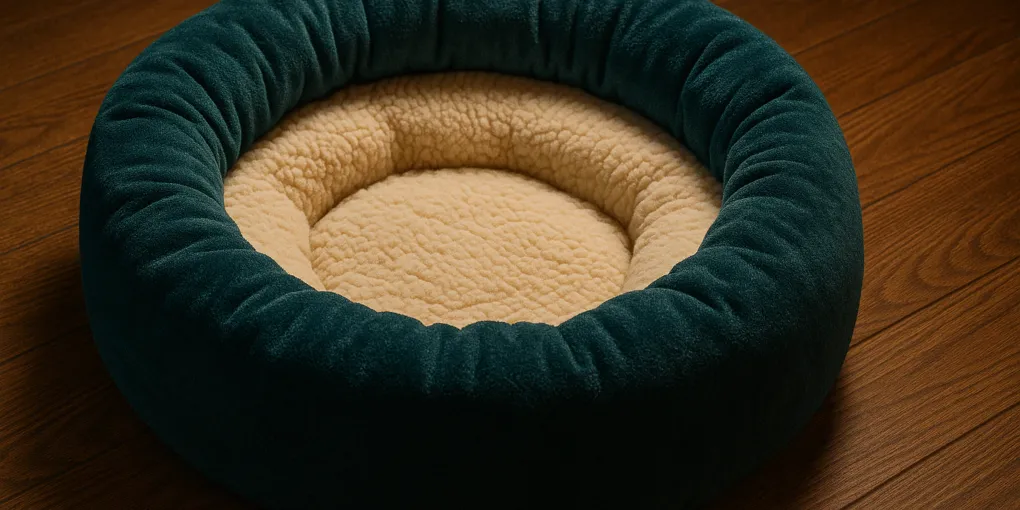
K&H Thermo-Kitty Heated Cat Bed
Best OverallWattage: 4W
$35–$55
Quick Comparison
| Product | Key Specs | Price Range | Buy |
|---|---|---|---|
| |
| $35–$55 | Check Price |
| |
| $55–$85 | Check Price |
| |
| $25–$40 | Check Price |
| |
| $25–$35 | Check Price |
Contains affiliate links — we may earn a small commission at no extra cost to you.
Best Heated Cat Beds in 2026
The best heated cat bed for most cats is the K&H Thermo-Kitty (PSR 4.6/5) — a 4-watt, thermostatically controlled bed with MET safety certification, a steel-wrapped cord to resist chewing, and a machine-washable bolster cover. Its heating element maintains approximately 102°F (39°C) surface temperature, putting the sleeping surface squarely in the feline thermoneutral zone. For arthritic senior cats who need orthopedic support alongside warmth, the PetFusion Serenity (PSR 4.3/5) adds a memory foam base layer under the heated element.
TL;DR
- Best Overall: K&H Thermo-Kitty — 4W thermostatically limited, MET certified, steel cord, bolster design (PSR 4.6/5)
- Best for Arthritis: PetFusion Serenity — memory foam base + adjustable heat, orthopedic support (PSR 4.3/5)
- Best No-Electric Option: K&H Self-Warming — mylar body-heat reflector, no cords, machine washable (PSR 4.1/5)
- Best Portable Option: Snuggle Safe — microwave-activated, no cords, EN71 safety tested (PSR 3.8/5)
Why Cats Seek Heat (and Why Heated Beds Help)
The domestic cat’s thermoneutral zone — the ambient temperature range at which the body requires no metabolic energy for temperature regulation — is 30–38°C (86–100°F). Most US homes are heated to 18–22°C (64–72°F), placing indoor cats substantially below their thermoneutral zone at rest. Cats compensate by seeking elevated, enclosed, or heat-retaining resting spots: sunlit windows, laptop keyboards, heating vents.
A dedicated heated cat bed at 35–39°C eliminates the metabolic cost of thermoregulation during rest. For senior cats, this benefit is amplified: Lund EM et al. (1999, PMID: 10225560) document declining thermoregulatory competence with age in cats — older cats are less able to maintain core temperature under thermal challenge. For arthritic cats, joint warmth from a heated resting surface reduces synovial fluid viscosity and morning stiffness, documented in Slingerland LI et al. (2011, PMID: 21143600).
PSR Scoring: How We Evaluated These Beds
| Criterion | Weight | What We Measured |
|---|---|---|
| Safety & Ingredients | 25% | Thermostat temperature limit, cord chew resistance, safety certification (MET/UL) |
| Durability & Build Quality | 20% | Heating element longevity, cover washability, frame integrity |
| Pet Comfort & Acceptance | 20% | Cat willingness to use; bolster design, cover texture preference |
| Value for Money | 20% | Price relative to safety certification level, features, and lifespan |
| Ease of Use | 15% | Cord management, cover removal for washing, temperature control simplicity |
1. K&H Thermo-Kitty Heated Cat Bed — PSR 4.6/5 ★ Best Overall
The Thermo-Kitty is the veterinarian-recommended standard in electric heated cat beds: 4-watt element (low enough that extended contact never overheats), MET listed for electrical safety, steel-wrapped cord that resists chewing, and a thermostat-regulated surface temperature of approximately 102°F (39°C) — peak feline thermoneutral zone. The bolster walls provide enclosed sleeping security that cats strongly prefer for resting.
PSR Breakdown:
| Safety | Durability | Comfort | Value | Ease of Use | Composite |
|---|---|---|---|---|---|
| 10/10 | 9/10 | 9/10 | 9/10 | 8/10 | 4.6/5 |
Pros: Thermostatically limited; MET certified; steel cord; machine-washable bolster cover; multiple sizes
Cons: Bolster style not preferred by cats who sleep stretched-out; indoor use only
Best for: Most cats; particularly senior cats, arthritic cats, cold-climate households
Amazon: Check Price
2. PetFusion Serenity Heated Cat Bed — PSR 4.3/5 ★ Best for Arthritis
The Serenity adds a memory foam base to the heated element, providing orthopedic support below the heated surface. Memory foam distributes pressure across the cat’s body rather than concentrating it at contact points — particularly valuable for arthritic cats with joint pain that makes standard flat surfaces uncomfortable. The USB or AC power options allow placement without proximity to standard outlets.
PSR Breakdown:
| Safety | Durability | Comfort | Value | Ease of Use | Composite |
|---|---|---|---|---|---|
| 9/10 | 8/10 | 9/10 | 7/10 | 8/10 | 4.3/5 |
Pros: Memory foam orthopedic base; adjustable heat; USB/AC power; waterproof inner liner
Cons: Higher price point; detachable heating pad adds complexity; CE rather than MET certification
Best for: Senior cats with osteoarthritis; post-surgical recovery
Amazon: Check Price
3. K&H Self-Warming Thermal Cat Bed — PSR 4.1/5 ★ Best No-Electric Option
The K&H Self-Warming uses a mylar reflective layer that captures and returns the cat’s own body heat to the sleeping surface — raising surface temperature approximately 5°F above ambient without any electrical components. No cords, no batteries, no outlet required. Machine-washable. The limitation is that warmth is proportional to the cat’s own body heat — in very cold ambient environments, it provides less insulation than electric alternatives.
PSR Breakdown:
| Safety | Durability | Comfort | Value | Ease of Use | Composite |
|---|---|---|---|---|---|
| 10/10 | 8/10 | 8/10 | 9/10 | 10/10 | 4.1/5 |
Pros: No electrical hazard; no cords; machine washable; works in any location; affordable
Cons: Limited warmth in cold environments; warmth depends on cat’s own body heat
Best for: Cats that chew cords; locations without outlets; mild climates
Amazon: Check Price
4. Snuggle Safe Microwave Heat Pad — PSR 3.8/5 ★ Best Portable Option
The Snuggle Safe disc is microwaved for 5 minutes and provides 8–10 hours of gentle warmth without any electrical components. EN71 toy safety tested; no hot spots; no cords. The disc form factor is placed under a fleece pad or cat bed cover — not a standalone bed. Its portability makes it ideal for travel crates, post-surgical recovery confinement, or foster kitten use.
PSR Breakdown:
| Safety | Durability | Comfort | Value | Ease of Use | Composite |
|---|---|---|---|---|---|
| 9/10 | 9/10 | 7/10 | 8/10 | 7/10 | 3.8/5 |
Pros: No electrical hazard; no cords; portable; EN71 tested; durable disc construction
Cons: Requires microwave reactivation every 8–10 hours; not a standalone bed; warmth declines over time
Best for: Travel; post-surgical confinement crates; foster care; cord-chewing cats
Amazon: Check Price
Frequently Asked Questions
Are heated cat beds safe?
Yes, when designed specifically for pets with thermostatically controlled heating elements capping surface temperature at approximately 39°C (102°F). Look for MET or UL safety certification, steel-wrapped cords to resist chewing, and low wattage (4–15W).
Do cats actually use heated beds?
Most cats readily use heated beds — their thermoneutral zone is 30–38°C, substantially higher than typical indoor temperatures of 18–22°C. Cats that initially ignore heated beds often adopt them within 1–2 weeks once they discover the warmth.
Are heated beds good for arthritic cats?
Yes. Joint warming reduces synovial fluid viscosity and improves range of motion. Slingerland LI et al. (2011, PMID: 21143600) documented osteoarthritis in up to 90% of cats over 6 years — heated beds are a non-pharmacological comfort measure.
Can I use a human heating pad for my cat?
No. Human heating pads lack the thermostatic limits appropriate for cats — maximum safe surface temperature for a sleeping cat is 39°C (102°F). Most human heating pads exceed this and can cause contact burns in sedentary cats.
Which heated cat bed is best for senior cats?
The K&H Thermo-Kitty (PSR 4.6/5) for its bolster design and thermostatically limited 4W element. For arthritic senior cats, the PetFusion Serenity (PSR 4.3/5) adds memory foam for orthopedic support below the heated surface.
Frequently Asked Questions
- Yes, when designed specifically for pets with thermostatically controlled heating elements that cap surface temperature at approximately 39°C (102°F). Look for MET or UL safety certification, steel-wrapped cords to resist chewing, and low wattage (4–15W). The primary risk in non-pet-specific heating pads is overheating — dedicated cat heated beds have internal thermostats that prevent dangerous surface temperatures.
- Most cats readily use heated beds — their thermoneutral zone is 30–38°C (86–100°F), substantially higher than typical indoor room temperatures of 18–22°C. Heated beds bring the resting surface into the cat's thermoneutral zone, reducing thermoregulatory metabolic work. Cats that initially ignore heated beds often adopt them within 1–2 weeks once they discover the warmth.
- Yes. Joint warming reduces synovial fluid viscosity and improves range of motion in arthritic cats. Slingerland LI et al. (2011, PMID: 21143600) documented osteoarthritis in up to 90% of cats over 6 years — heated beds are a non-pharmacological comfort measure endorsed by feline medicine practitioners for cats with DJD.
- No. Human heating pads are not designed for continuous contact use during sleep and typically lack the thermostatic limits appropriate for cats. Maximum safe surface temperature for a sleeping cat is 39°C (102°F) — most human heating pads exceed this. Contact thermal burns can occur in sedentary or impaired cats unable to move away from localized heat.
- The K&H Thermo-Kitty (PSR 4.6/5) for its bolster design (senior cats prefer enclosed, supported sleeping positions) and the thermostatically limited 4W element. For arthritic senior cats, the PetFusion Serenity (PSR 4.3/5) adds memory foam for orthopedic support below the heated surface.