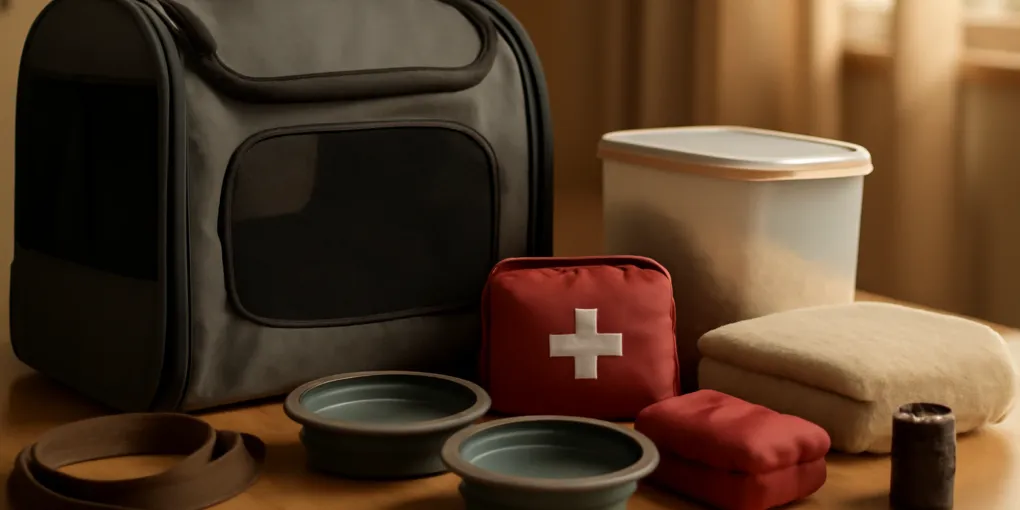
Best Pet Emergency Go-Bag Gear for Home Evacuations: What Actually Belongs Inside
Buyer's GuideSherpa Original Deluxe Pet Carrier
Core transport itemBest for: Cats, small dogs, rabbits, and small pets during car or shelter movement
Quick picks
| Product | Key Specs |
|---|---|
| See price on Amazon |
|
| See price on Amazon |
|
| See price on Amazon |
|
| See price on Amazon |
|
Product availability, certifications, and retailer details can change; check the current Amazon page before buying.
The Short List
A useful pet emergency go-bag is not a giant bin of random pet gear. It is a grab-and-go system that lets you contain the animal, prove identity and vaccination status, feed and water safely, manage waste, and follow medical instructions until you can reach home, a veterinarian, or a safe shelter.
For most households, the first purchases are a secure carrier or restraint, collapsible bowls, a waterproof record pouch, sanitation supplies, and a compact first-aid pouch. Specialty gear comes after that: heat packs for some small pets, battery air backup for fish, or extra bedding for a reptile transport container. If you already keep a pet first-aid kit for home and car, use this guide to decide what belongs in the evacuation bag versus the medicine cabinet.
Quick Picks
- Search Amazon for Sherpa Original Deluxe carriers if you need one transport item for a cat, small dog, rabbit, or other small pet.
- Search Amazon for Kurgo collapsible bowls for feeding and water stops without packing full kitchen bowls.
- Search Amazon for weatherproof document pouches for vaccination records, microchip numbers, medication lists, and current photos.
- Search Amazon for Trail Dog first aid kits when you want bandage basics organized separately from food and waste supplies.
How We Chose the Gear Categories
| Factor | Weight | Score | Weighted | Why it matters in an evacuation |
|---|---|---|---|---|
| Research | 30% | 8.0 | 2.40 | Disaster-preparedness guidance consistently centers on containment, records, food, water, medication, and sanitation. |
| Evidence Quality | 25% | 7.5 | 1.88 | Product-level trials are limited, so the guide favors items that map directly to preparedness checklists. |
| Value | 20% | 8.5 | 1.70 | Most bags improve with simple labeled gear before expensive trackers or specialty gadgets. |
| User Signals | 15% | 8.0 | 1.20 | Owner failures usually involve missing records, loose pets, spoiled food, no waste plan, or carrier refusal. |
| Transparency | 10% | 9.0 | 0.90 | The guide names what the gear can and cannot do during shelter, car, or hotel disruption. |
| Composite Score | 8.08/10 | Strong preparedness value if the bag is rotated and species-specific. |
1. Carrier or Restraint
Containment is the core of the bag. Cats, small dogs, rabbits, ferrets, and many small pets need a carrier that closes securely and has ventilation on multiple sides. Larger dogs need a leash, collar or harness, ID, and a vehicle restraint plan. A beautiful tote that your cat can unzip is worse than an ugly carrier that stays closed.
Label the carrier with your name, phone number, pet name, microchip number, and a backup contact. Keep a familiar towel inside if it does not cause overheating or chewing risk. Practice short carrier sessions before storm or wildfire season; an emergency is a bad time to discover the zipper jams.
2. Documents and Identification
Use a waterproof pouch for paper copies of vaccination records, rabies certificate, medication list, feeding instructions, microchip number, vet contact, emergency contact, and recent photos of you with the pet. Keep digital copies on your phone too, but do not assume cell service or battery will cooperate.
For multi-pet homes, separate documents by pet. If one animal has a prescription diet or controlled medication, make that obvious on the first page.
3. Food, Water, and Bowls
Pack a small supply of the pet’s normal food in sealed, dated containers. Rotate it before it goes stale. Collapsible bowls save space, but they still need washing and drying. For cats, include a small spoon or lid pull if you pack wet food. For dogs, include poop bags. For rabbits and guinea pigs, food planning must include hay, not only pellets.
Do not change diets during an evacuation unless you have no safe option. Stress plus unfamiliar food can create gastrointestinal problems at exactly the wrong time.
4. Sanitation and Cleanup
Pack waste bags, paper towels, a small trash bag roll, unscented wipes, disposable gloves, and one absorbent towel or pad. Cat households may need a disposable litter tray and a small bag of familiar litter. Small-pet households may need bedding, hay containment, and a way to separate wet bedding from food.
Keep cleaning chemicals out of the food pouch and away from pets that chew. If a product has a strong scent, test it at home first; many animals avoid carriers that smell unfamiliar.
Size the cleanup kit for the animal and the first overnight stop. A cat tray must fit inside the temporary room or crate area without blocking the carrier door; pre-measure it rather than assuming a folded tray will open where needed. Pack rabbit or guinea-pig bedding in a sealed dry bag, plus a second leak-resistant bag for soiled material. For dogs, split waste bags between the go-bag and leash pouch so cleanup supplies remain reachable even if the main bag stays in the car.
Unscented pet wipes are for paws, fur, and hard surfaces only when their label permits that use; they do not replace potable water or a proper wash after contact with floodwater, fuel, or unknown chemicals. Keep clean bowls and sealed food on one side of the bag and used towels, litter, and waste on the other.
5. First-Aid and Medical Boundaries
A first-aid pouch can hold gauze, bandage wrap, tweezers or tick tool, saline rinse, gloves, a digital thermometer if you know how to use it, and your veterinarian’s medication instructions. It should not become a box of guesswork. Human pain relievers can be dangerous for pets, and old prescriptions may be wrong for the next event.
If you buy the Adventure Medical Kits Trail Dog kit listed above, inventory its contents against your own pet emergency go-bag checklist instead of assuming a prepacked kit is complete. Add the pet’s current medication sheet and emergency clinic number, remove anything your veterinarian says is inappropriate, and replace opened, wet, damaged, or expired dressings during each rotation check.
If your pet needs daily medication, ask your veterinarian how to keep an emergency supply current. Write dosing instructions plainly and update them after every prescription change.
Species-Specific Add-Ons
Dogs may need a spare leash, muzzle if already trained and appropriate, paw protection, and vaccination records for boarding. Cats need a hard-to-escape carrier, litter plan, and hiding towel. Birds need a travel cage, perch security, cover, and temperature plan. Reptiles need short-term transport heat safety rather than loose heat packs against the body. Fish and aquariums need a separate power and aeration plan; see our aquarium air pump backup protocol.
For rabbits, guinea pigs, and chinchillas, the bag should not be a dog-and-cat kit with pellets tossed in. Hay, familiar bedding, chew-safe containment, and heat control matter. A rabbit carrier should have traction on the floor and enough ventilation, while a guinea pig needs a hide or towel arrangement that reduces panic without blocking airflow. For birds, keep the travel cage simple and secure; loose toys can swing during a sudden stop. For reptiles, write the normal enclosure temperature range and heat plan on the document sheet so a helper does not improvise with a dangerous direct heat source.
Label each species pouch with the evacuation job it serves and its limits. Bird covers must leave travel-cage vents open; reptile heat equipment needs a separate power and temperature-control plan; fish air backup needs charged batteries and tubing that fits the actual container. A generic pet emergency kit rarely includes those species-specific connections, so verify them before storing the bag.
What Not to Buy First
Skip novelty survival kits that hide vague contents behind a sealed pouch. You need to know the carrier size, food date, medication list, and sanitation plan, not just own a branded emergency bundle. Also skip large water jugs that make the bag too heavy to carry if your household already has a separate human water plan. A small pet water bottle or collapsible bowl in the pet bag plus a household water reserve is usually easier to move.
Do not rely on a smart tracker, camera, or app as the main emergency system. Batteries die, networks fail, and shelters may have limited charging. Identification tags, microchip registration, printed records, and current photos are lower-tech but often more useful when a pet is separated from the owner.
Bag Layout That Works Under Stress
Pack by task. Put carrier and leash items together, food and bowls in one sealed pouch, documents in a clearly marked waterproof pouch, and sanitation supplies in a separate bag so wipes and waste bags do not touch food. Tape a one-page checklist to the inside flap: pet names, grab locations for medications, normal feeding amounts, veterinarian phone number, and the date the bag was last checked.
Keep the bag light enough for the person most likely to evacuate with the pet. If you need more than one trip to carry the animal and the bag, split supplies into a small immediate bag and a larger car bin. The immediate bag should contain containment, records, one day of food, water access, medications, and cleanup. The car bin can hold extra litter, bedding, spare towels, and additional food.
Rotation Schedule
Set calendar reminders for spring and fall, then add a check before local high-risk seasons such as hurricanes, wildfires, winter storms, or extreme heat. Replace expired food, update vaccine records, photograph the pet again, test carrier zippers, inspect bowls for cracks, and confirm that microchip registration still has the right phone number.
If a pet starts a new medication or prescription diet, update the go-bag the same day. Emergency bags fail when they are almost current: the old dose, the old food, the old phone number, or the old carrier that no longer fits.
Pet Emergency Go-Bag FAQ
Where should I store the bag?
Store it near the carrier or exit path, not in a garage corner behind holiday bins. Everyone in the household should know which bag belongs to which pet.
How often should I rotate the contents?
Check the bag every three months and before high-risk seasons. Replace expired food, outdated records, old medications, dead batteries, and damaged bowls or leashes.
Do I need a GPS tracker in the bag?
A tracker can help some dogs and cats, but it does not replace a carrier, leash, ID tag, microchip registration, or current photos. Buy containment and records first.
Sources
- AVMA, pets and disasters preparedness checklist: https://www.avma.org/resources-tools/pet-owners/emergency-care/pets-and-disasters
- Humane Society of the United States, disaster planning for pets: https://www.humanesociety.org/resources/make-disaster-plan-your-pets
- American Red Cross, pet disaster preparedness: https://www.redcross.org/get-help/how-to-prepare-for-emergencies/pet-disaster-preparedness.html
Frequently Asked Questions
- A safe carrier or restraint comes first because evacuation fails quickly if the pet cannot be contained, moved, identified, and kept separate from unfamiliar animals.
- Many preparedness checklists recommend several days of food and water planning, but exact amounts depend on pet size, species, medical needs, and local evacuation risk. Rotate food before it expires.
- Keep a current medication list and ask your veterinarian how to maintain backup doses safely. Do not stock human medications or old prescriptions without veterinary instructions.