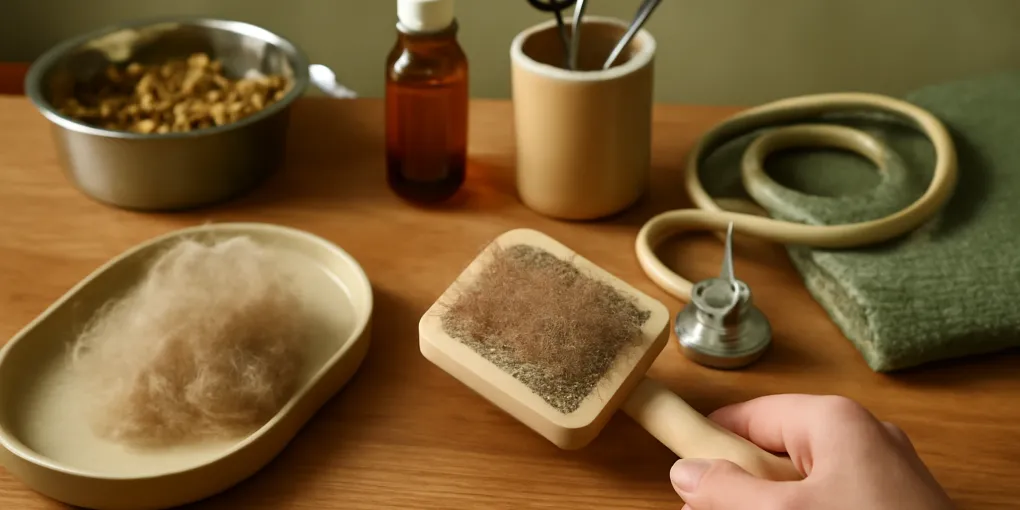
Rabbit Grooming Brushes for Molting Season: Tools That Remove Loose Fur Without Hurting Skin
Buyer's GuideSmall soft-pin slicker brush for rabbits
Best for heavy loose coatBest for: Medium or long coats during a visible molt
$8-$18
Quick picks
| Product | Key Specs |
|---|---|
| See price on Amazon |
|
| See price on Amazon |
|
| See price on Amazon |
|
Product availability, certifications, and retailer details can change; check the current Amazon page before buying.
Rabbit molting season is not a contest to remove the most fur in one sitting. The useful brush is the one that lifts loose coat while keeping the rabbit calm, eating, and willing to be handled tomorrow. Rabbit skin is delicate, and a tool that feels gentle on a dog can be too sharp or too aggressive on a rabbit.
This guide is for healthy indoor rabbits with normal seasonal shedding. If your rabbit stops eating, passes fewer droppings, has bald patches, has skin sores, or has mats tight against the skin, pause the shopping decision and call a rabbit-savvy veterinarian.
Quick picks for most rabbit homes
- Best for heavy loose coat: small soft-pin slicker brush. Choose rounded flexible pins and use barely any pressure. Search Amazon for small soft-pin slicker brushes.
- Best low-stress starter: rubber grooming mitt. This is the first tool to try for short-haired rabbits that accept petting but dislike brush strokes. Search Amazon for rabbit grooming mitts.
- Best mat check: fine-tooth small animal comb. Use it after brushing to find snags, not to rip through them. Search Amazon for fine small-animal combs.
A loud de-shedding tool, furminator-style blade, or stiff rake is usually the wrong first purchase unless a rabbit-savvy groomer has shown you exactly how to use it on that coat.
Why molting needs a different plan
Rabbits groom themselves constantly and swallow loose fur. Unlike cats, they do not routinely vomit hairballs. The House Rabbit Society notes that appetite, hydration, hay intake, and normal droppings matter when loose hair increases during shedding (House Rabbit Society grooming guidance). Brushing helps by reducing loose fur before it is swallowed, but it does not replace hay, water, movement, and monitoring.
Heavy molts can happen in clumps or patches. That does not mean you should pull every tuft the moment you see it. Remove fur that slides out easily. Leave attached coat alone.
How we judged rabbit grooming tools
The best rabbit grooming tool gives you control over pressure. We looked for small heads, rounded contact points, easy cleaning, and a shape that works while the rabbit sits on a towel or non-slip mat. We also favored tools that let you groom around bony areas without scraping hips, spine, shoulders, or the thin skin behind the ears.
A tool lost points if it encourages long sessions, hard pulling, or blind de-shedding. Rabbits rarely benefit from being brushed until the coat looks perfect.
Soft-pin slicker: when it makes sense
A small soft-pin slicker is useful during a visible molt, especially for medium or longer coats. The brush should glide over the top layer and catch loose fur. It should not dig down to the skin. Hold the brush loosely and work in short strokes with your other hand supporting the rabbit.
Use a slicker on the back and sides first. Be more cautious around the belly, chest, hocks, and tail area. If the brush makes the rabbit flinch, if skin reddens, or if the coat does not release easily, switch to a mitt and shorter sessions.
Rubber grooming mitt: the safest starting point
A rubber mitt removes less fur per pass, but many rabbits tolerate it better because it feels closer to petting. Choose a flexible mitt with short rounded nubs, not a stiff curry pad meant for dogs or horses. It is useful for short-haired rabbits, young rabbits learning handling, and households that need a daily five-minute molt routine while the rabbit sits on a towel with hay in front of it.
The mitt is not enough for tight mats, wool coats, or damp fur around the chin and rear. If you feel a firm clump that does not separate with fingers, do not keep rubbing it. Mats can hide irritated skin underneath, and repeated friction can make sore skin worse.
Fine comb: use it as a check, not a weapon
A fine comb is good for finding trouble spots behind the ears, along the skirt, under the chin, and near the tail. Start at the outer edge of a loose tangle and stop if the comb catches. Hold the fur near the skin so you are not pulling the skin itself.
Do not use scissors close to the body. Rabbit skin can lift into a mat, and a quick snip can create a serious wound. The RSPCA’s rabbit care advice emphasizes gentle handling and daily health checks, including coat and skin monitoring (RSPCA rabbit health checks).
Match the tool to coat type
Short, smooth coats: start with a rubber mitt and damp hands. The mitt catches surface fur without making the rabbit feel trapped. A slicker may still help during a heavy molt, but use it for a few light passes rather than a full-body scrape.
Medium coats: keep both a mitt and a soft slicker. Use the mitt for daily maintenance, then use the slicker on the back and sides when loose tufts lift away. Finish with the comb only where tangles form.
Long coats or wool breeds: a basic mitt is usually not enough. These rabbits need more frequent handling, careful parting of the coat, and sometimes professional help. If you are new to Angora-type grooming, buy the gentler tools first and schedule a lesson rather than relying on a sharp rake.
Senior or thin rabbits: prioritize comfort over fur volume. A bony spine, sore hocks, arthritis, or weight loss makes pressure control more important. Use a towel, work around tender areas, and ask your veterinarian whether the coat change is really just a molt.
Molting-season setup checklist
Put the rabbit on a towel or low mat where slipping is unlikely. Keep hay nearby so the rabbit can pause and eat. Brush for three to five minutes, remove only loose fur, and end before the rabbit kicks or twists. After the session, check that droppings remain normal and that the rabbit returns to eating.
A good hay station matters during a shed because hay intake supports normal gut movement while loose fur is increasing. Our rabbit litter training protocol covers hay placement beside a litter area for rabbits that need constant grazing without stretching or fighting a setup.
For rabbits that dislike restraint, split the task into several tiny sessions. One calm minute after breakfast is more useful than fifteen minutes of wrestling.
Buyer checklist before you order
Look at the contact surface first. Pins should be rounded, flexible, and short enough that you can feel exactly how much pressure reaches the skin. A brush head that is wider than your palm is often too large for careful work around a rabbit’s hips and shoulders.
Check the handle next. You want a grip that lets your wrist stay relaxed. If the handle encourages you to press down, the tool is too aggressive for a nervous rabbit. A small cat brush can be a better rabbit brush than a product marketed with dramatic de-shedding claims.
Finally, check cleaning. During a real molt, the tool fills quickly. If removing fur from the brush is frustrating, owners tend to keep brushing after the pins are packed, which makes the session less effective and more irritating.
For bonded rabbits, buy with the harder coat in mind but groom each rabbit separately. One rabbit may tolerate the mitt while the other needs a comb check around the skirt. Separate sessions also let you notice which rabbit is eating less, passing smaller droppings, or developing mats faster during the same shed. Label each rabbit’s usual trouble spots in your notes so a helper can repeat the same gentle pattern.
When a groomer is the safer purchase
Buy professional help instead of another brush if mats sit tight against the skin, if feces or urine is stuck in the coat, if the rabbit cannot keep the rear end clean, or if handling causes frantic kicking. Rabbits can injure their backs during rough restraint, and skin wounds from mat cutting can become serious quickly.
A groomer or veterinary team can reset the coat and show you the correct pressure for maintenance. After that, the brush you buy is more likely to be used calmly at home.
What to avoid buying
Skip sharp rake tools marketed for heavy undercoat unless an experienced rabbit groomer recommends one for your rabbit. Avoid human hair brushes with hard ball tips that catch and tug. Avoid sticky lint rollers on the rabbit’s body; they can pull skin and leave residue. Avoid scented grooming sprays unless prescribed.
A brush should support health, not turn handling into a fight. If the rabbit hides for hours after grooming, the session was too long or the tool was too intense.
Rabbit grooming FAQ
Should I bathe my rabbit during a shed?
No routine bath is needed for normal shedding. Wet fur can chill a rabbit and make mats worse. Spot-cleaning or medical bathing should follow veterinary guidance.
Why is my rabbit shedding in patches?
Patchy release can be normal during a molt, but bald skin, dandruff, wounds, parasites, or behavior changes are not normal grooming problems. Get a veterinary check if the skin looks abnormal.
What if my rabbit eats a lot of loose fur?
Increase gentle brushing, keep hay available, and watch appetite and droppings. Reduced eating or fewer droppings is urgent for rabbits and should not wait for a new brush.
Frequently Asked Questions
- A soft rubber mitt or small soft-pin slicker used with very light pressure is usually safer than a sharp rake. The right tool still depends on coat length and rabbit tolerance.
- Do not cut close mats with scissors. Rabbit skin is thin and tents into mats easily, so tight mats are safer with an experienced groomer or veterinarian.
- Short calm sessions every day or every other day are better than one long stressful session. Stop before the rabbit struggles.